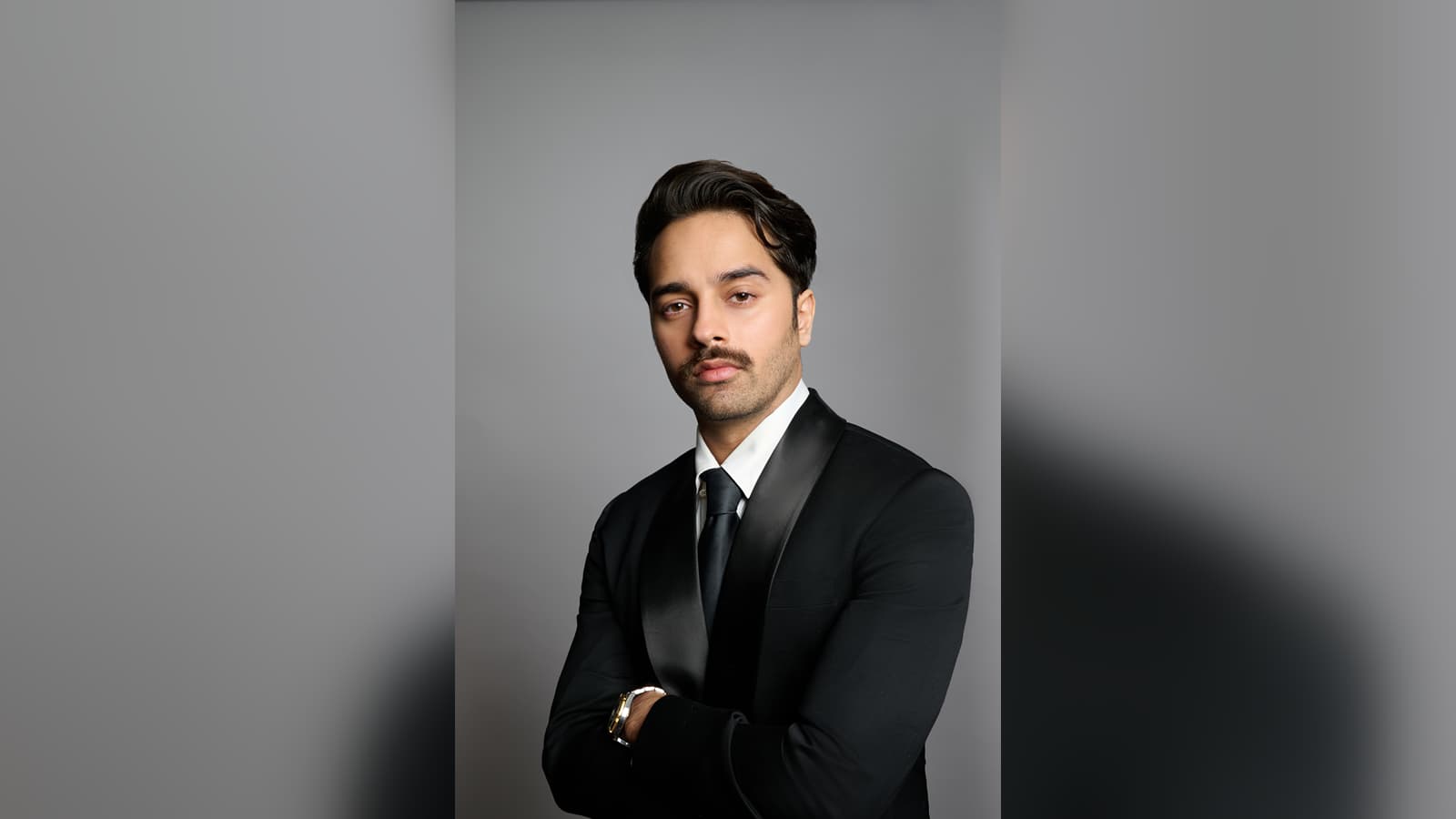
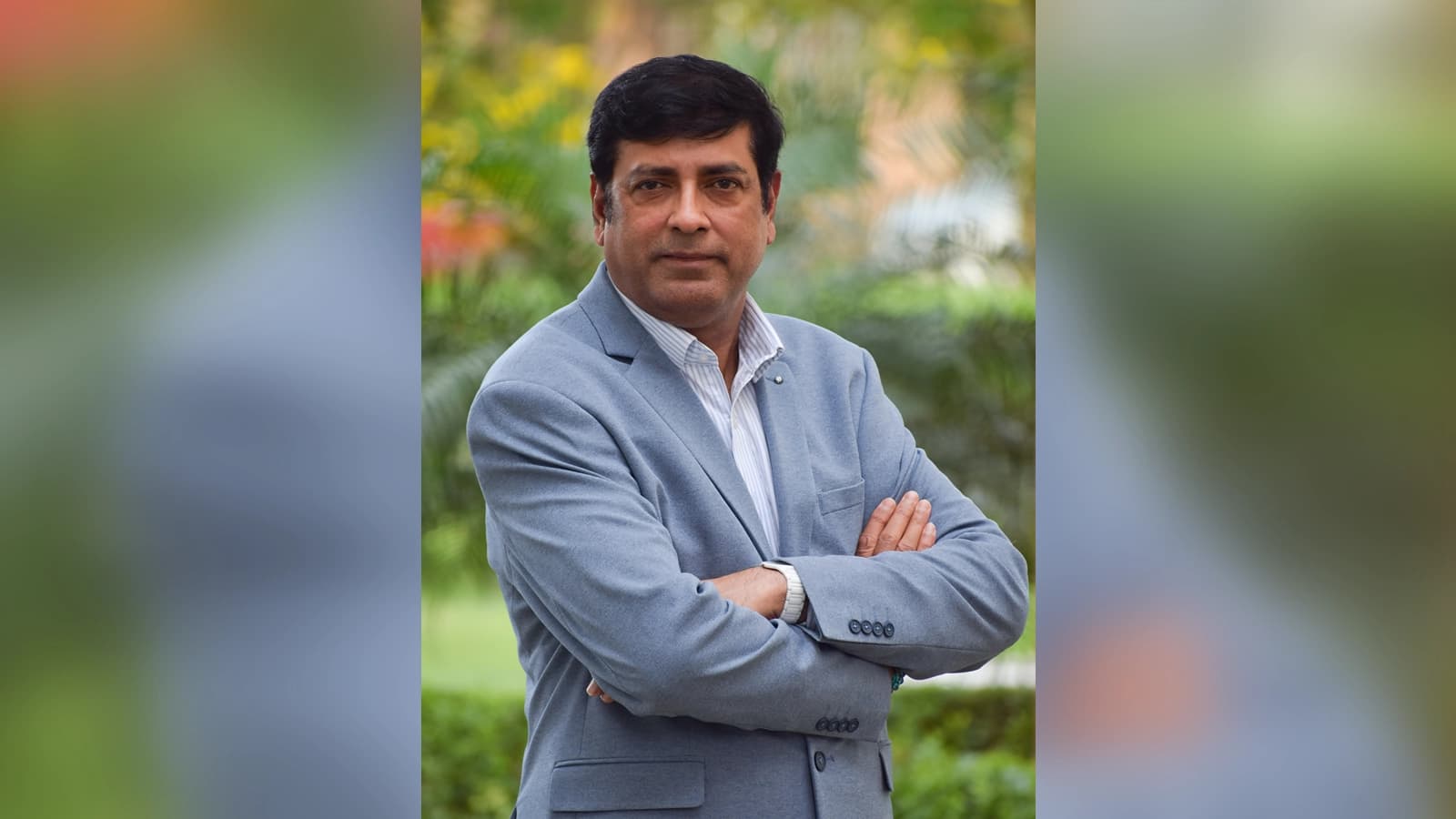
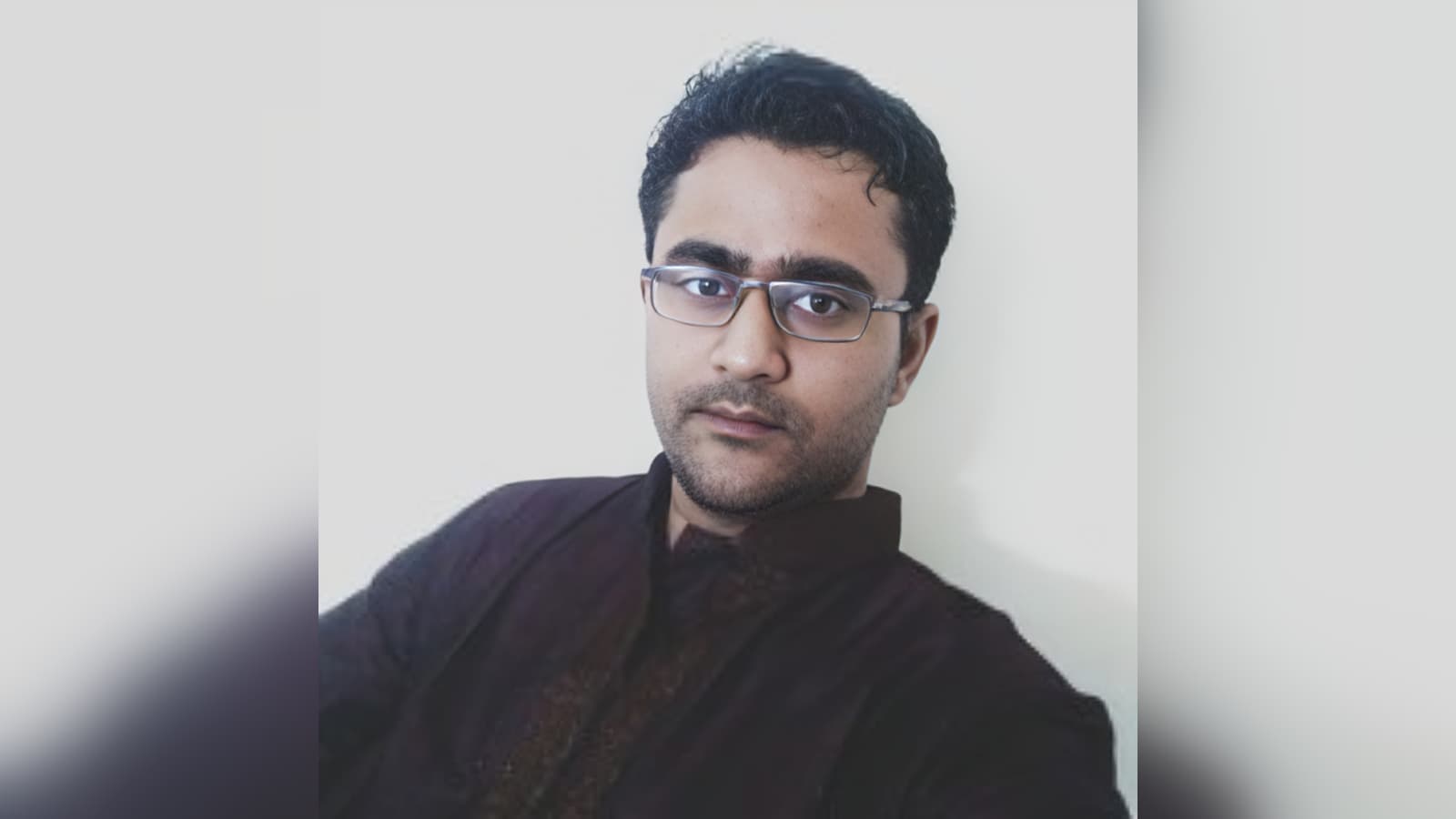
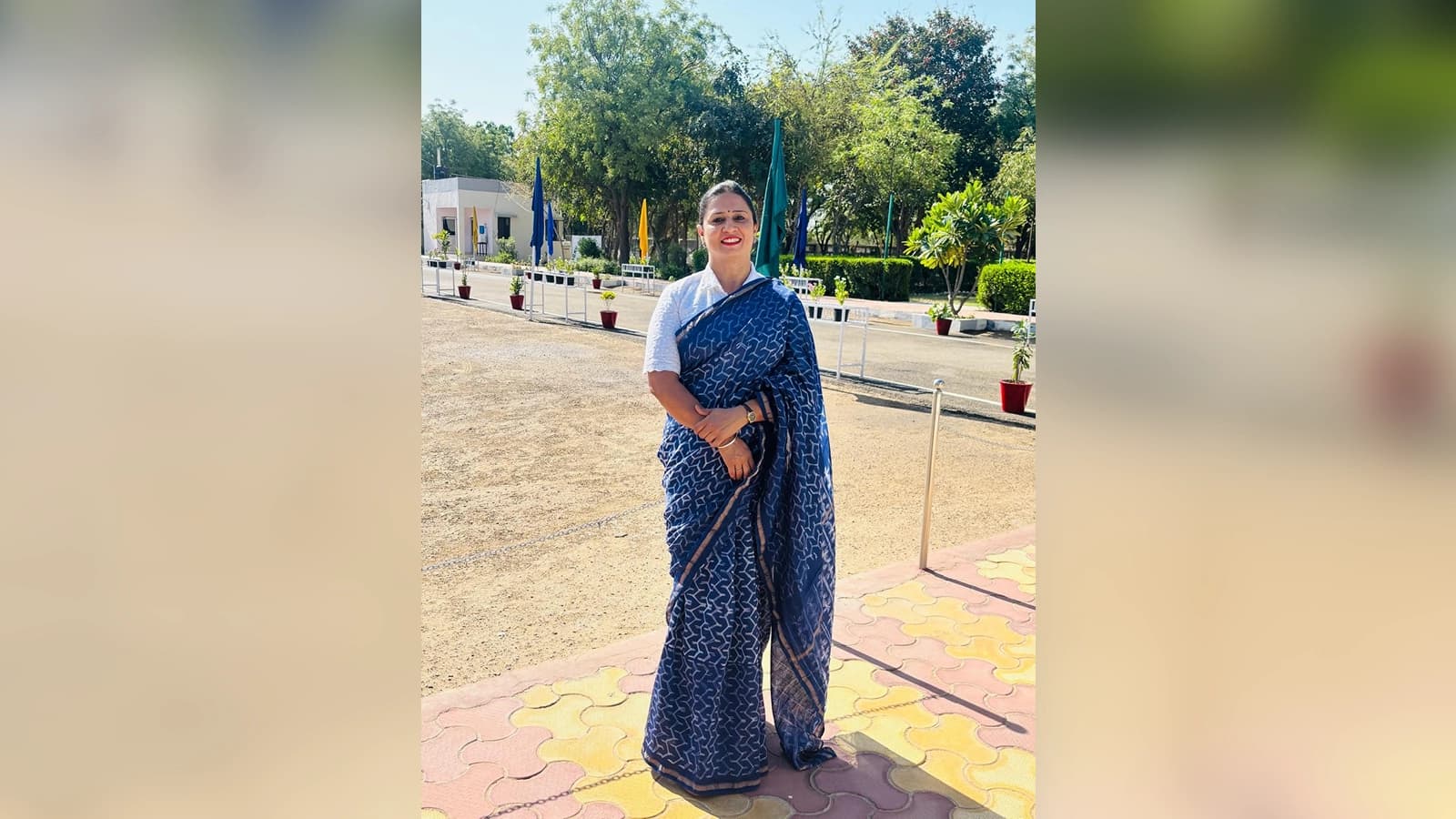
Prabhav Anand is a Senior Correspondent at Education Post, with more than four years of experience in journalism, specialising in education and the changing landscape of learning in India. His reporting examines education not only through policies, official announcements and institutional decisions, but also through the experiences of students, teachers, educators and institutions on the ground.
Experience & Focus Areas:
Prabhav’s journalism focuses on understanding the gap between what an education reform promises and how it actually affects those navigating the system. His work spans a wide range of issues across India’s education landscape, including:
•Higher Education: Reporting on universities, institutions, academic reforms, accreditation, research and the evolving higher education ecosystem.
•School Education: Covering developments in school education, teachers, classrooms, learning outcomes and reforms affecting students and educators.
•Education Policy: Examining government policies, regulatory changes and reforms, with a focus on their implementation and impact on the ground.
• Competitive Exams: Reporting on examinations, admissions, entrance systems and the challenges faced by students navigating India’s highly competitive education environment.
•Student Issues: Covering the experiences, concerns and challenges of students across different stages of education.
•Changing Learning Landscape: Exploring how technology, artificial intelligence and new approaches to learning are reshaping education in India.
Journalism & Approach:
Over the years, Prabhav has reported from across the education ecosystem, speaking with students, teachers, educators, institutional leaders and policymakers to understand stories beyond the official narrative.
His work spans breaking news, interviews, features, explainers and long-form journalism, with a particular interest in making complex education issues accessible without reducing their complexity.
For Prabhav, education journalism is not simply about reporting who announced what. It is about asking what happens after the announcement — whether a policy reaches the classroom, whether a reform reaches the student, how institutions and teachers respond, and who may be left behind.
Authoritativeness & Trust
His reporting is guided by a simple principle: go beyond the announcement, find the reality, and tell the story honestly.
Whether the story begins with a government notification, a university decision, a policy change or a student's experience, Prabhav approaches education as a subject that directly shapes the lives and futures of millions of people.
His particular interest lies in the stories that often exist beneath the biggest headlines — the realities inside classrooms, universities, examination centres and the wider education system.
For him, education journalism is ultimately about getting those stories right.
Find all stories by Prabhav Anand here.
Despite over 11 lakh NEET qualifiers, nearly 2,000 MBBS seats reportedly remain vacant, raising questions about private medical college fees, admission rules and affordability.
Conflicting NMC responses over medical degrees from Georgia have raised questions about FMGE eligibility, independent practice licences and the risks facing Indian students studying medicine abroad.
Dr. Rekha Kashyap explores transforming engineering classrooms into dynamic AI ecosystems, balancing timeless computer science fundamentals with emerging technologies, and preparing graduates to critically evaluate AI tools.
Women's share of IIT seat allotments reached just 20.22% in 2026. Exam participation, qualification gaps and the design of female-only seats help explain why.
New ULLAS guidelines require trainee teachers to support five to eight adult learners, but questions remain over credits, certification and implementation across teacher education institutions.
NCERT’s new AI module brings deepfakes, data privacy and digital literacy into classrooms, but questions remain over compulsory teaching, trained teachers and infrastructure.
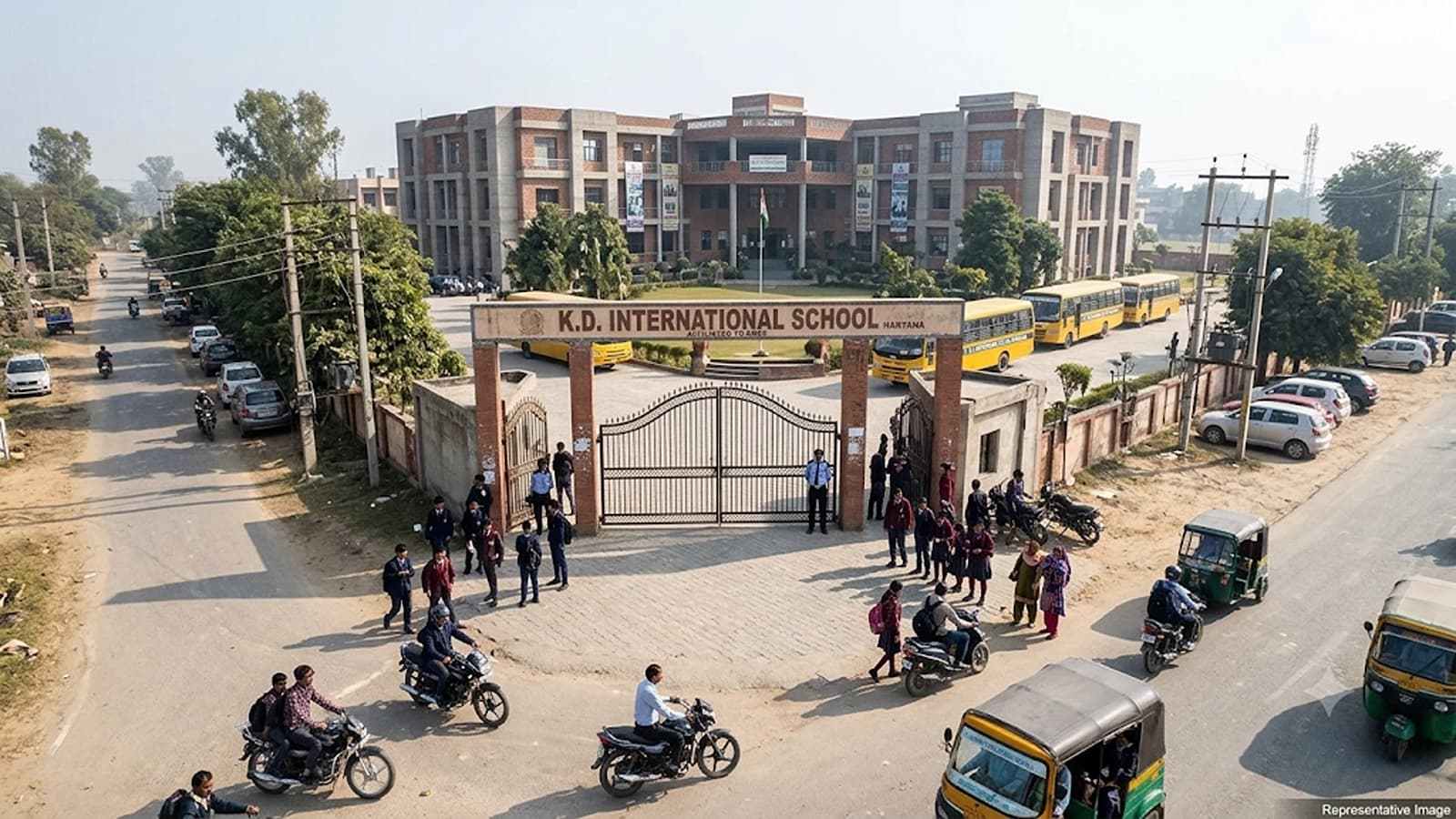
A Hisar school's inclusion in Haryana's 2026–27 admission lists raises questions after the High Court upheld its recognition withdrawal amid complaints concerning fees and student records.
Nirvaan Birla discusses bridging policy gaps under NEP 2020, standardising quality across rapidly expanding school networks, fee transparency, and why empowering teachers is central to improving classroom outcomes.
A candidate with a reported 50% locomotor disability says his UGC-NET examination ended after three hours, denying him compensatory time. Earlier complaints reveal similar disputes.
JKLU Dean Dr. Tapas Kumar in this interview with Education Post critiques examination-driven learning, placement metrics, and compliance-heavy OBE while outlining how engineering curricula must adapt for the AI era.
Prof. Saraju P. Mohanty discusses the necessity of problem-driven research, Security-by-Design for IoT, smart agriculture innovations, and transforming SRM University-AP into India’s first AI-native institution.
Dr. Gaurav Musalgaonkar discusses India's semiconductor journey, next-generation chip architectures, industry-academia translation, and the engineering pathways needed to turn research into scalable real-world innovation.
The higher education regulator has sought action against institutions accused of withholding fees after admission cancellations, citing unresolved student complaints and repeated failures to comply with refund rules.
Dr. Arya Kumar Bhattacharya discusses why universities must balance core engineering fundamentals with interdisciplinary AI innovation and sustainable, industry-ready research over short-lived technical trends.
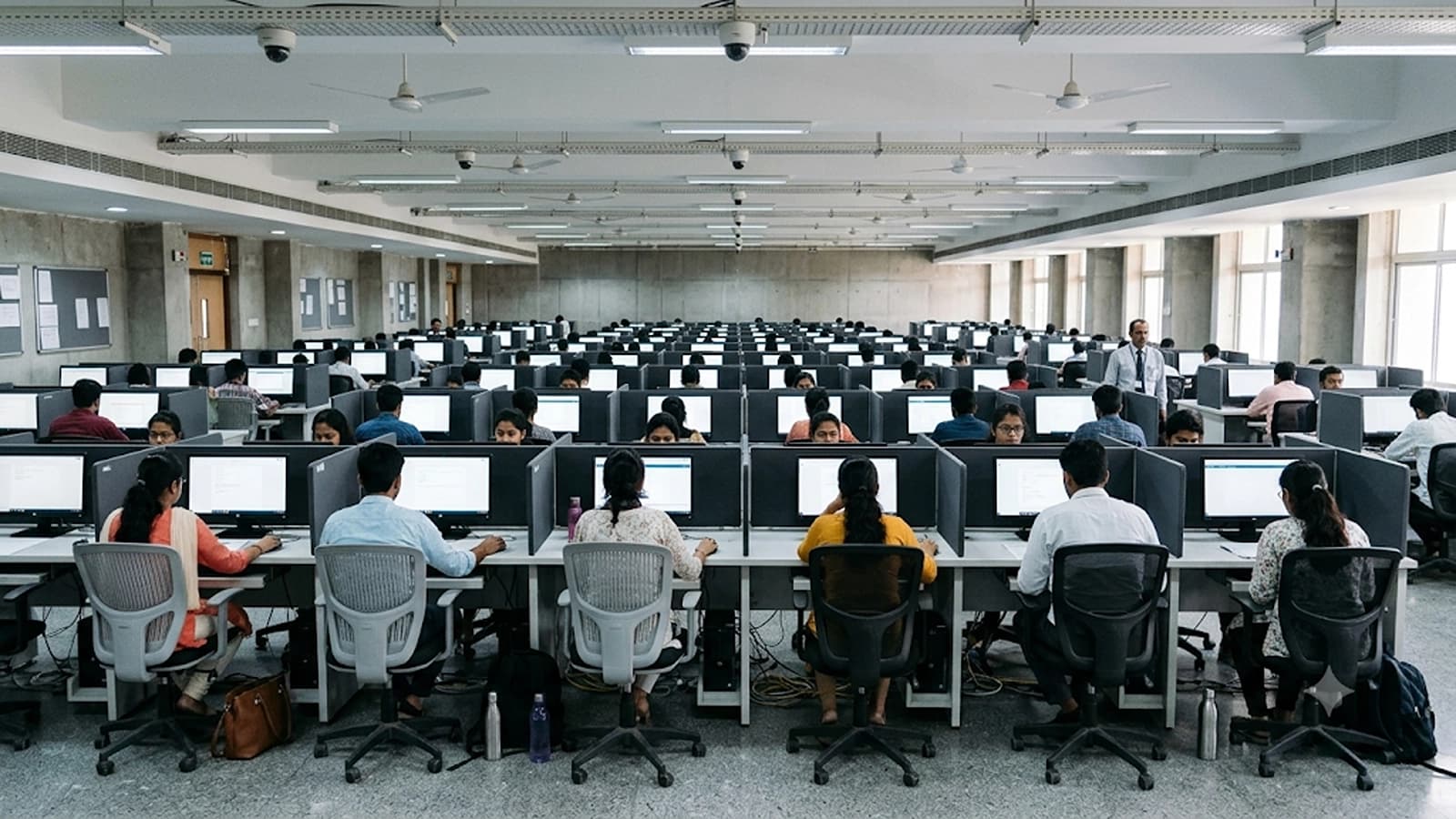
The Infosys chairman says secure digital question banks and expanded computer-based testing could address examination security concerns following the NEET-UG 2026 paper leak controversy.
NPCI has postponed a 0.4% fee on select UPI merchant payments above ₹2,000. Here is who pays, which transactions remain free and why retailers opposed it.
In an interview with Education Post, Mrs. Suchita Rathore shares insights on AI in classrooms, implementing NEP 2020, teacher development, and balancing exam excellence with character-building.
CBSE Class 10 and 12 board exams are expected to begin in February 2027. Here is what students should know about the timetable, exam pattern, eligibility and assessment rules.
How we report
Every story by Prabhav Anand follows Education Post’s code of ethics. Spotted an error? Ask for a correction.