The researchers suggest that the effects of snow algae should be considered when scientists model changes in Antarctic snow and ice. If these biological processes are overlooked, estimates of future melting and the extent of ice-free land along the coast could be less accurate.
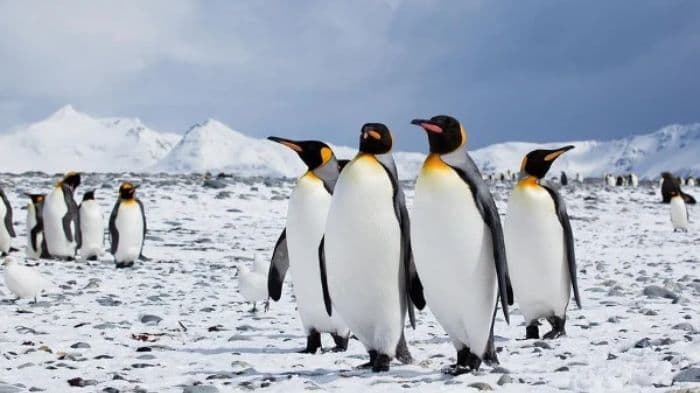
The relationship between seabirds, algae and snowmelt is one part of a much larger environmental system. Rising temperatures and climate change remain major drivers of ice loss in Antarctica, and the study does not establish penguin droppings as a primary cause of the continent’s melting.
The extent of the algae’s future influence is also uncertain. As environmental conditions change, some penguin populations could expand into new areas, potentially transporting nutrients to places where snow algae are less established. Whether this would significantly change melting patterns will require further research.