


The UN chief spoke with researchers aboard a station drifting through Arctic sea ice, pledging to share their findings and concerns with world leaders as the climate conference opens in Türkiye on Nov 9.
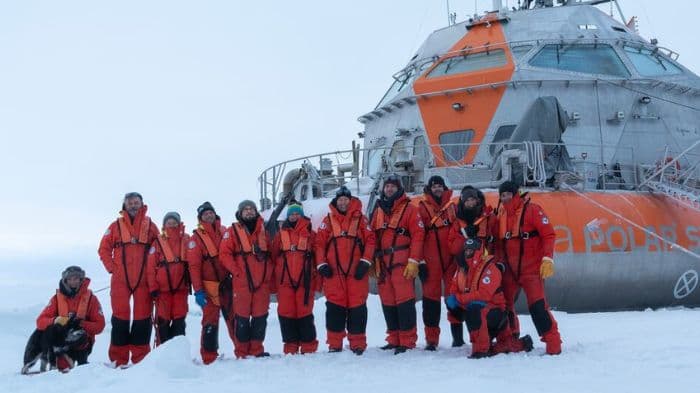
The Tara Polar Station’s winter crew, accompanied by an onboard doctor and Örkki, the dog that helps keep watch for polar bears.
United Nations Secretary-General António Guterres has pledged to bring the concerns of scientists studying the rapidly changing Arctic to world leaders at the COP31 climate conference, following a video conversation with researchers aboard the Tara Polaris expedition.
In a post shared by the UN on microblogging site X, Guterres said: “More than ever, we must defend science, protect scientists and stand up for the truth.” He also promised to share the expedition's findings and concerns about the climate crisis with leaders at COP31, which begins in Antalya, Türkiye, on Nov 9.

During the conversation, Guterres spoke with Maxime Geoffroy, chief scientist of the winter leg of the Tara Polaris I expedition. The team is conducting research aboard the Tara Polar Station, a vessel deliberately frozen into Arctic sea ice so it can drift with ocean currents while scientists study the region.
The winter crew comprises 12 people and is spending more than eight months in the central Arctic Ocean, including a period of around four months of polar darkness. The expedition is part of a 20-year research programme aimed at understanding changes in the Arctic Ocean and their wider effects on the Earth's climate system.
Scientists warn Arctic changes have global consequences
The researchers are studying the atmosphere, sea ice, snow and underlying ocean, as well as the interactions between them. Their observations are expected to improve understanding of Arctic biodiversity, pollution, melting sea ice and the effects of environmental change on marine ecosystems.
During the discussion, Geoffroy highlighted the consequences of a changing Arctic beyond the polar region. He told Guterres that the retreat of sea ice was already making shipping routes more accessible, with the team observing oil tankers travelling through the Northeast Passage along Russia's Arctic coast.
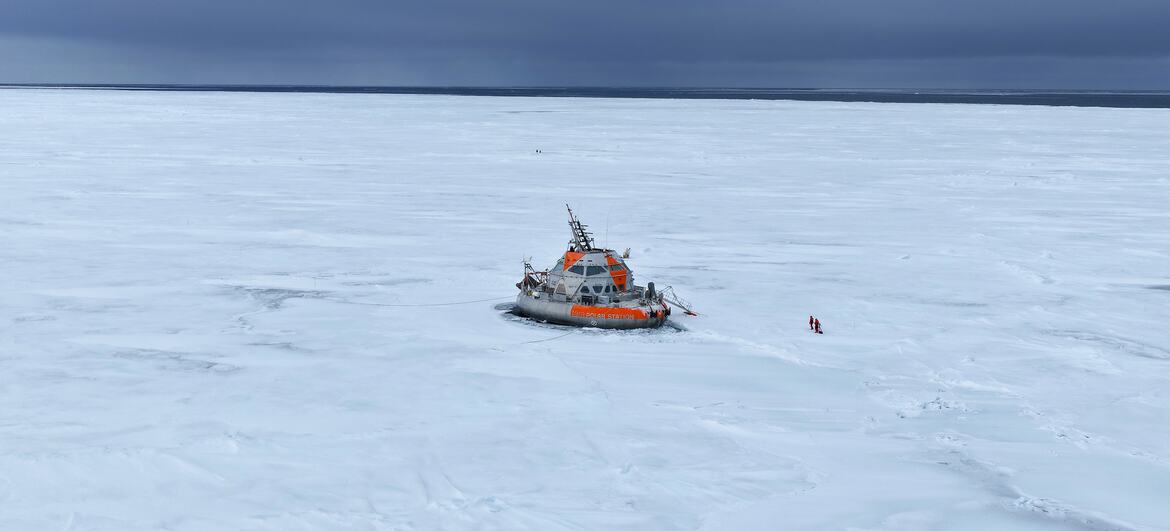
The increased shipping activity raises concerns about pollution and the risks of oil spills in fragile polar waters, where contamination can be difficult to contain and clean up.
Guterres said the Arctic was warming three to four times faster than the global average and stressed that developments in the region have implications for the rest of the world. He also spoke about the need to defend scientific evidence amid attempts to undermine climate research and delay action.
Tara Polaris expedition to support long-term climate research
Tara Polaris I is the first expedition under the Tara Polaris programme, which is planned to run from 2026 to 2046. The programme envisages a series of long-term expeditions aboard the Tara Polar Station to collect observations across different seasons and track changes in the central Arctic Ocean.
The research involves more than 35 laboratories across 12 countries. Scientists are examining biological, chemical and physical processes in the Arctic environment, with the aim of improving climate models and providing evidence to inform policy decisions.
COP31 will take place in Antalya from Nov 9 to 20, bringing together governments, scientists and other stakeholders to discuss international action on climate change.
Guterres's conversation with the expedition places the researchers' observations on the agenda ahead of the negotiations, with the UN chief promising to carry their concerns to world leaders.

India set to join EU’s €93.5 billion Horizon Europe research programme in January 2027

Australia study detects exam stress in university campus sewage

European Commission unveils education package to address falling basic skills and teacher shortages

UAE expands global research partnerships and links university innovation with industry

Researchers warn AI overuse could weaken students’ ability to think independently
UN Secretary-General to take Arctic scientists’ climate warnings to COP31

Nepali students form Japan's second-largest international academic community: Foreign Minister

'Mogging' explained: How bodybuilding term became Collins Word of the Year 2026

‘It’s actually very cut-throat’: 13-year-old wins New Zealand spelling bee title
Schoolchildren join desperate effort to save stranded whales on New Zealand coast

India set to join EU’s €93.5 billion Horizon Europe research programme in January 2027
Australia study detects exam stress in university campus sewage
European Commission unveils education package to address falling basic skills and teacher shortages
UAE expands global research partnerships and links university innovation with industry
Researchers warn AI overuse could weaken students’ ability to think independently
UN Secretary-General to take Arctic scientists’ climate warnings to COP31
Nepali students form Japan's second-largest international academic community: Foreign Minister
'Mogging' explained: How bodybuilding term became Collins Word of the Year 2026
‘It’s actually very cut-throat’: 13-year-old wins New Zealand spelling bee title
Schoolchildren join desperate effort to save stranded whales on New Zealand coast
Copyright© educationpost.in 2026 All Rights Reserved.