


New 2036 roadmap calls for stronger science, early detection, coordinated action and sustainable funding to curb biological invasions threatening ecosystems, wildlife and livelihoods worldwide.
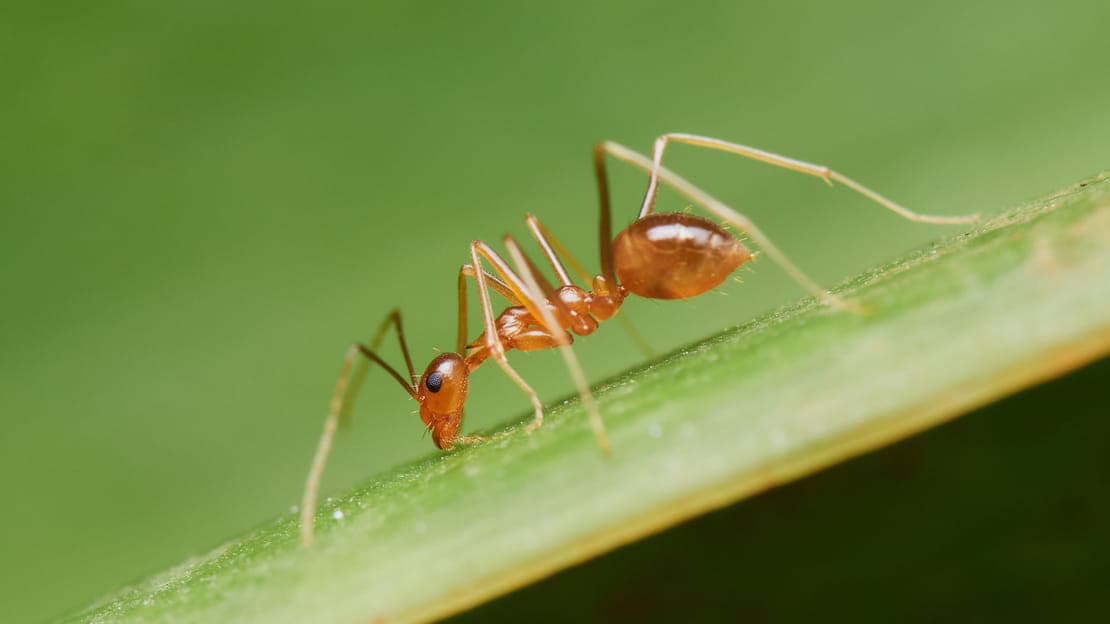
The International Union for Conservation of Nature (IUCN) has launched its first global strategy to combat invasive alien species, warning that biological invasions pose a major threat to biodiversity, accelerate species extinctions and inflict mounting economic and social damage.
Unveiled recently at the 17th Conference of the Parties to the United Nations Convention on Biological Diversity (CBD COP17) in Yerevan, Armenia, the strategy sets out a coordinated global approach to tackling the spread of invasive species, with a focus on prevention, early detection, rapid response and long-term ecosystem recovery.

The strategy brings together IUCN’s Members, Commissions and Secretariat while inviting governments, civil society organisations, Indigenous Peoples, businesses and researchers to strengthen collective efforts against the growing threat.
“Biological invasions affect the whole of society, and every part of society has a role to play in preventing and limiting their impacts,” said Kevin Smith, Programme Head for Invasive Species and Wildlife Health at IUCN.
He warned that failure to address the problem could undermine several international conservation goals, including the Kunming-Montreal Global Biodiversity Framework.
Smith said the strategy would harness IUCN’s scientific expertise, standards, policy engagement and partnerships to translate knowledge into conservation action on a much wider scale.
Invasive alien species are animals, plants, fungi and pathogens transported beyond their natural habitats through human activities, either deliberately or accidentally. They become invasive when they establish themselves and cause harm, including by outcompeting native species, preying on them or spreading diseases.
More than 3,500 invasive alien species have been documented worldwide, according to the Intergovernmental Science-Policy Platform on Biodiversity and Ecosystem Services (IPBES). Climate change is further creating opportunities for these species to spread into new areas, adding pressure on already vulnerable ecosystems.
The consequences can be devastating. According to the IUCN Red List of Threatened Species, invasive alien species have contributed to more than 60% of global extinctions. Their impacts also extend far beyond wildlife, disrupting infrastructure, threatening livelihoods and creating risks to human health.
The economic burden is equally severe. The global annual cost of biological invasions exceeded US$423 billion in 2019, according to IPBES, underlining the need for governments and other stakeholders to invest more heavily in prevention and management.
The new strategy identifies four key outcomes that IUCN aims to achieve by 2036.
The first is to expand access to reliable data, scientific research, practical tools and technology to help decision-makers identify and address biological invasions more effectively.
The second is to strengthen the capacity of governments, civil society and the private sector. This includes integrating invasive species management into biodiversity, climate and development policies, plans and investments, particularly in countries with limited resources.
The third priority is to scale up practical interventions, from preventing species introductions and detecting new invasions early to rapid response, eradication, control and ecosystem restoration.
The fourth is to mobilise sustainable financing to support prevention, management and the restoration of ecosystems damaged by invasive species.
The strategy stresses that success will require coordinated action across government departments and wider society, rather than isolated conservation efforts.
IUCN recommends prioritising areas that are especially vulnerable to biological invasions or hold exceptional biodiversity value. These include islands, marine and freshwater ecosystems, protected and conserved areas, and Key Biodiversity Areas.
It also calls for solutions tailored to local conditions, recognising that the threats posed by invasive species vary across ecosystems and regions. Technological advances are expected to play an important role in improving monitoring, detection and conservation responses.
Progress will be assessed through indicators such as the number of invasive species removed from affected sites, the number of threatened or conservation-priority species benefiting from control measures, and IUCN’s contribution to reducing extinction risk.
The assessment will draw on the Species Threat Abatement and Restoration (STAR) metric, which helps measure how conservation interventions can reduce the risk of species extinction.
Professor Helen Roy, Co-Chair of the IUCN Species Survival Commission’s Invasive Species Specialist Group, said effective interventions had already demonstrated that biological invasions could be prevented and their impacts reduced.
Successful prevention, early detection, eradication and long-term management programmes have helped protect threatened species and support ecosystem recovery in different parts of the world, she said.
“The challenge now is scale,” Roy added, stressing the urgency of expanding successful approaches to meet the scale of the global threat.
Her fellow Co-Chair, Professor Aníbal Pauchard, said the strategy offered a shared framework for bringing scientific evidence and expertise to governments, conservation practitioners and communities so that effective responses could become standard practice.
The strategy builds on IUCN’s longstanding efforts to develop scientific resources, assessment standards and practical guidance on invasive alien species.
These include the Global Invasive Species Database and the Environmental Impact Classification for Alien Taxa (EICAT), which helps assess the environmental impacts of alien species. The Global Register of Introduced and Invasive Species also supports countries in reporting on the establishment of invasive species under Target 6 of the Kunming-Montreal Global Biodiversity Framework.
IUCN additionally serves as the official custodian of Sustainable Development Goal Indicator 15.8.1, which tracks the adoption of legislation and the allocation of resources to address invasive alien species. Its European Invasive Alien Species Rapid Response Fund supports efforts to prevent newly detected invasive species from becoming established.
IUCN Members worldwide are also working on prevention, eradication, control, policy development and ecosystem restoration.
With the new strategy, IUCN aims to bring these efforts together under a common global framework. Its success will depend on whether governments, institutions and communities can turn established scientific knowledge into sustained action on the ground, protecting vulnerable species and ecosystems before the damage becomes irreversible.

C-DAC, Bank of India join forces to build quantum-safe banking ecosystem

Supernova remnant reveals mysterious knots and clumps of gas in unprecedented detail

University of Johannesburg records second-largest rise in global research influence
IUCN launches global strategy to combat invasive species and protect biodiversity

Tamil Nadu: Two Class 11 Students Held in Dalit Student Death Case Linked to Alleged Caste Harassment

Canada announces $813 million research boost to back 450-plus researchers

Abu Dhabi aims to bring 2,000 Emirati teachers into private schools within five years

Australian schools record thousands of student sexual misconduct reports as child safety concerns grow

Egypt insists international schools include Arabic, history in final scores

China’s Chery unveils AI companion robot designed to ease loneliness

C-DAC, Bank of India join forces to build quantum-safe banking ecosystem
Supernova remnant reveals mysterious knots and clumps of gas in unprecedented detail
University of Johannesburg records second-largest rise in global research influence
IUCN launches global strategy to combat invasive species and protect biodiversity
Tamil Nadu: Two Class 11 Students Held in Dalit Student Death Case Linked to Alleged Caste Harassment
Canada announces $813 million research boost to back 450-plus researchers
Abu Dhabi aims to bring 2,000 Emirati teachers into private schools within five years
Australian schools record thousands of student sexual misconduct reports as child safety concerns grow
Egypt insists international schools include Arabic, history in final scores
China’s Chery unveils AI companion robot designed to ease loneliness
Copyright© educationpost.in 2026 All Rights Reserved.