


PI Industries to launch the insecticide under the brand name Pioxazon during the upcoming Rabi season
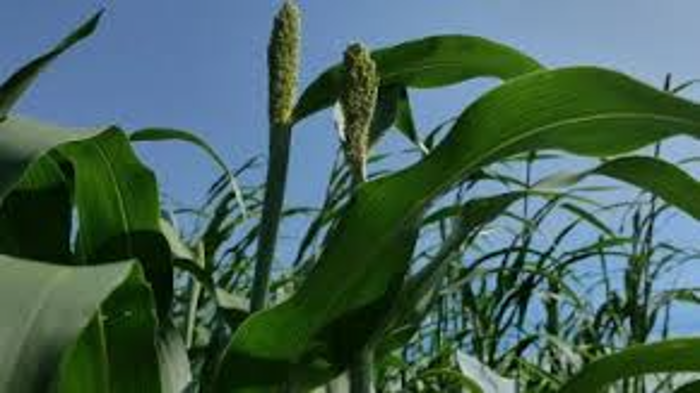
PI Industries Ltd’s Pioxaniliprole, India’s first indigenously discovered insecticide molecule, has received approval from the Central Insecticides Board and Registration Committee (CIBRC) for use on rice, chilli, tomato and chickpea crops. The approval follows regulatory assessments and multi-location field trials evaluating its effectiveness and safety.
The company plans to introduce the molecule under the trade name ‘Pioxazon’ during the upcoming Rabi (winter-spring) crop season. The development marks a significant step in strengthening India’s domestic agrochemical research and reducing dependence on innovations from foreign manufacturers.

Pioxaniliprole belongs to the anthranilic diamide class of insecticides and is designed primarily to control caterpillar-type agricultural pests. It is effective against several major crop-damaging insects, including yellow stem borer, leaf folder, fall armyworm, tobacco cutworm, fruit borer and pod borer. It is registered as a 20 per cent weight-by-volume suspension concentrate formulation.
How Pioxaniliprole Works and India’s Insecticide Regulatory Framework
The insecticide works by targeting ryanodine receptors (RyRs), specialised protein channels present in insect muscle cells. These receptors regulate the release of calcium ions, which are essential for normal muscle contraction and relaxation. By disrupting their functioning, Pioxaniliprole triggers an uncontrolled release of calcium ions, resulting in feeding cessation, lethargy, muscle paralysis and eventually the death of the insect.
In India, insecticides are regulated under the Insecticides Act, 1968, and the Insecticides Rules, 1971. The framework governs their import, manufacture, sale, distribution and use to safeguard human and animal health.
The CIBRC functions under the Directorate of Plant Protection, Quarantine and Storage, Department of Agriculture and Farmers Welfare. It comprises two statutory bodies: the Central Insecticides Board, which advises governments on technical and safety matters, and the Registration Committee, which examines insecticide formulations and verifies their efficacy and safety before granting registration.
The indigenous development of Pioxaniliprole highlights India's growing research capabilities and potential to develop proprietary crop-protection technologies.

WhatsApp Plans Major Changes to Simplify User Experience and Integrate AI Features

Deaths at Tata Electronics Plant Raise Concerns Over Safety in Apple’s India Supply Chain
India’s First Indigenous Insecticide Molecule Pioxaniliprole Gets Regulatory Approval

Bangladesh universities face scrutiny as report flags persecution of over 2,000 students, academics.

University of Sharjah deepens UAE-Australia ties through cultural and academic exchange

UK regulator warns universities to protect degree standards as AI reshapes student assessments

Assam clears key education reforms, healthcare funding and employee welfare measures

India-Japan MIRAI-Setu program connects IIT students with Japanese universities and industries

Indian Railways Announces 31 Special Trains from Delhi Amid Chhath Puja Rush; Bihar and UP Passengers Get Relief

Fewer children, more university aspirants: China plans major education system overhaul

WhatsApp Plans Major Changes to Simplify User Experience and Integrate AI Features
Deaths at Tata Electronics Plant Raise Concerns Over Safety in Apple’s India Supply Chain
India’s First Indigenous Insecticide Molecule Pioxaniliprole Gets Regulatory Approval
Bangladesh universities face scrutiny as report flags persecution of over 2,000 students, academics.
University of Sharjah deepens UAE-Australia ties through cultural and academic exchange
UK regulator warns universities to protect degree standards as AI reshapes student assessments
Assam clears key education reforms, healthcare funding and employee welfare measures
India-Japan MIRAI-Setu program connects IIT students with Japanese universities and industries
Indian Railways Announces 31 Special Trains from Delhi Amid Chhath Puja Rush; Bihar and UP Passengers Get Relief
Fewer children, more university aspirants: China plans major education system overhaul
Copyright© educationpost.in 2026 All Rights Reserved.