


Representatives from nearly 200 countries have gathered in Antalya, Türkiye, for the UN climate summit, where negotiations are expected to focus on expanding electrification, reducing dependence on fossil fuels and addressing the growing power needs of artificial intelligence.
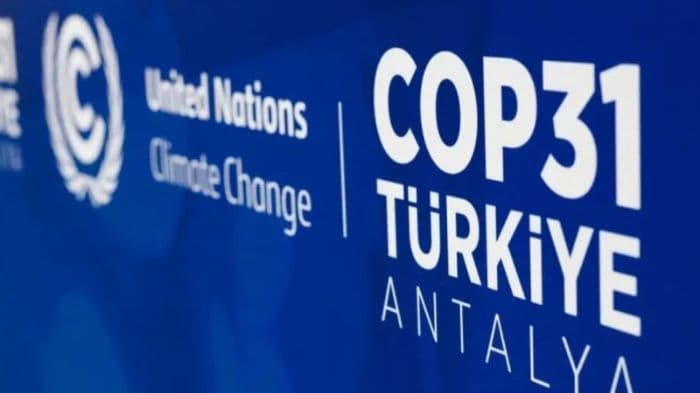
The 31st United Nations Climate Change Conference (COP31) opened in Antalya, Türkiye, on Nov 9, bringing together representatives from nearly 200 countries for discussions on climate action, energy security and the transition away from fossil fuels.
The summit comes amid growing pressure on governments to translate their climate commitments into concrete measures, even as geopolitical tensions and energy disruptions complicate efforts to reduce emissions. The rising electricity requirements of artificial intelligence have also emerged as a concern, adding another dimension to discussions about the future of global energy systems.

One of the proposals under discussion is a Turkish initiative to electrify more than one-third of the global economy by 2035. The proposal places greater emphasis on expanding the use of electricity across sectors that continue to depend heavily on fossil fuels.
Electrification emerges as a key climate priority
The Turkish proposal seeks to accelerate the shift towards electricity in areas such as transport, buildings and industrial activity. Electrification can help reduce emissions in these sectors, particularly when the electricity used is generated from renewable sources.
However, the pace and climate benefits of this transition will depend on how quickly countries expand clean electricity generation, modernise power grids and develop the infrastructure needed to support increased demand.
The proposal also comes at a time when countries are dealing with competing energy priorities. Disruptions to energy supplies have renewed concerns about affordability and security, potentially complicating national plans to reduce their reliance on coal, oil and gas.
Island nations seek clearer roadmap away from fossil fuels
Vulnerable island nations are pressing for a clearer pathway towards phasing out fossil fuels, arguing that stronger action is necessary to protect countries facing the consequences of rising sea levels and extreme weather.
For many small island states, climate change presents an immediate threat to communities, infrastructure and livelihoods. Their calls at COP31 reflect longstanding demands for countries to move beyond broad emissions-reduction commitments and establish clearer timelines for reducing fossil-fuel dependence.
The debate over fossil fuels remains a difficult part of international climate negotiations, with countries differing over the pace of the transition, energy requirements and the responsibilities of developed and developing economies.
AI's growing electricity needs add to energy debate
The expansion of artificial intelligence has introduced another challenge for governments planning their energy transitions. Data centres supporting AI systems require substantial amounts of electricity, and rising demand has raised questions about how countries will meet their computing needs without increasing dependence on fossil fuels.
The issue is particularly relevant as governments and companies invest in digital infrastructure alongside commitments to reduce greenhouse gas emissions.
The growing demand for electricity could put additional pressure on power grids and make the expansion of renewable energy generation and storage infrastructure more urgent. The climate impact will depend partly on the energy sources used to power data centres and other computing facilities.
Energy disruptions complicate climate commitments
Energy supply disruptions are also expected to shape discussions at the summit. Governments face the challenge of maintaining reliable and affordable energy supplies while pursuing longer-term emissions-reduction targets.
Countries that rely heavily on imported fuels may face particular difficulties when supply chains are disrupted or prices rise. Such pressures can affect decisions about energy investments and the pace at which existing fossil-fuel infrastructure is replaced.
COP31 will bring these competing priorities into focus as countries discuss how to strengthen climate action while addressing energy security and growing electricity demand.
The discussions in Antalya are expected to test how far governments can align their climate commitments with the changing demands of the global economy, including the expansion of electrification and artificial intelligence.
COP31 opens with debate over clean energy transition, fossil fuels and AI power demand

US revises federal accreditation rules for colleges and universities

Egypt announces six new faculties at Kayan University ahead of 2027 opening
US universities send students to COP31 as official climate conference observers

EU partners with 10 Indonesian universities to expand academic cooperation

Odisha expands postgraduate medical education with 318 additional seats

CSIR-UGC NET December 2026 registration deadline extended, apply by Nov 9

XAT 2027 introduces new exam rules, adds 17 B-schools to associate network

Delhi-NCR schools up to Class 5 to shift to hybrid mode amid rising pollution

CA Foundation result 2026 out, Kansika and Mahek Gupta jointly secure AIR 1

COP31 opens with debate over clean energy transition, fossil fuels and AI power demand
US revises federal accreditation rules for colleges and universities
Egypt announces six new faculties at Kayan University ahead of 2027 opening
US universities send students to COP31 as official climate conference observers
EU partners with 10 Indonesian universities to expand academic cooperation
Odisha expands postgraduate medical education with 318 additional seats
CSIR-UGC NET December 2026 registration deadline extended, apply by Nov 9
XAT 2027 introduces new exam rules, adds 17 B-schools to associate network
Delhi-NCR schools up to Class 5 to shift to hybrid mode amid rising pollution
CA Foundation result 2026 out, Kansika and Mahek Gupta jointly secure AIR 1
Copyright© educationpost.in 2026 All Rights Reserved.