


From limiting global warming to 1.5°C and delivering climate finance to accelerating clean energy adoption, the UN Environment Programme has outlined seven priorities expected to shape climate negotiations in Antalya from Nov 9 to 20.
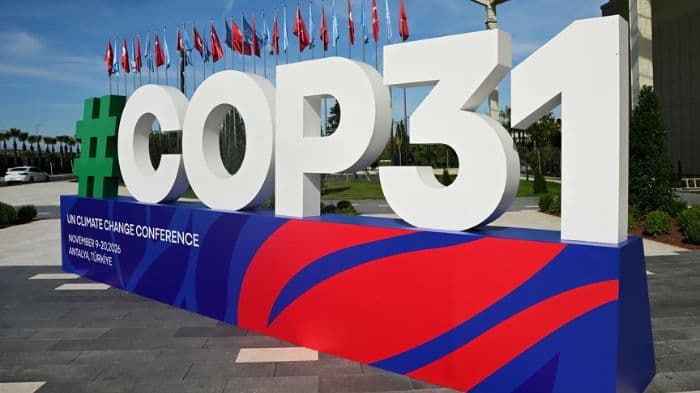
World leaders will gather in Antalya, Türkiye, from Nov 9 to 20 for the 31st United Nations Climate Change Conference (COP31), with negotiations expected to focus on reducing greenhouse gas emissions, strengthening climate finance and turning existing commitments into action.
Ahead of the summit, the UN Environment Programme (UNEP) has identified seven issues likely to dominate discussions, including the challenge of limiting global warming, helping vulnerable communities adapt to climate impacts and accelerating the transition to cleaner energy.

The conference comes as the world faces the prospect of temporarily exceeding the 1.5°C warming threshold set out in the Paris Agreement. UNEP's September report on limiting global warming overshoot warned that average temperatures are likely to cross this threshold within the next few years, increasing the risks of droughts, floods, rising sea levels and wildfires.
“The science is clear. Despite some progress in recent years, the world is set to cross 1.5°C of global warming,” said Martin Krause, director of UNEP's Climate Change Division. He said COP31 offered an opportunity to turn climate commitments into action and limit the scale and duration of the temperature overshoot.
Keeping global warming as close to 1.5°C as possible
One of the central challenges for COP31 will be how governments respond to the likelihood of temperatures temporarily exceeding 1.5°C above pre-industrial levels.
UNEP said every fraction of a degree matters, as prolonged warming increases risks to ecosystems, economies and communities. Negotiators will be under pressure to align national policies, investments and international cooperation to limit the overshoot and bring temperatures below the threshold as quickly as possible.
Turning climate commitments into action
The second priority is ensuring that countries implement commitments already made under international climate agreements.
This includes expanding clean electricity, reducing dependence on fossil fuels, halting deforestation and preparing for climate-related disasters. Negotiators will also advance preparations for the Second Global Stocktake, the formal assessment of collective progress under the Paris Agreement, which is expected to conclude in 2028.
Türkiye's COP31 presidency has also proposed voluntary targets, including increasing the global electrification rate to 35 per cent by 2035 and reducing energy intensity in the building sector by at least 25 per cent by the same year.
Delivering climate finance to developing countries
Climate finance is expected to be another major point of discussion, particularly the commitment by developed countries to mobilise at least US$300 billion annually for developing countries by 2035.
This forms part of a wider effort to scale up climate finance from public and private sources to at least US$1.3 trillion annually by 2035.
Developing countries and small island states have called for more accessible and predictable funding to prepare for climate impacts and address losses and damage caused by extreme weather events.
UNEP's Adaptation Gap Report 2026 highlights the shortfall in funding, estimating that even tripling current international public adaptation finance would cover only 23 to 29 per cent of developing countries' needs.
Helping communities adapt to climate change
Negotiations will also examine progress towards the Global Goal on Adaptation, a framework intended to strengthen countries' ability to measure and improve their resilience to climate change.
Governments are expected to face pressure to strengthen national adaptation plans, protect vulnerable communities and increase funding for measures that help people cope with rising temperatures and extreme weather.
Extreme heat and access to sustainable cooling are among the concerns highlighted by UNEP. Cooling systems can help protect public health, support food security and improve productivity, while energy-efficient solutions can also reduce emissions.
Accelerating the clean energy transition
The transition to cleaner energy is another major priority, as energy systems account for roughly 70 per cent of global greenhouse gas emissions.
UNEP said expanding electrification, increasing renewable energy deployment, modernising electricity grids and improving energy efficiency could reduce dependence on high-emission fuels.
Buildings are expected to receive particular attention. The COP31 Action Agenda will include the launch of the Antalya Compact for Energy Efficient Buildings, supported by UNEP-hosted Global Alliance for Buildings and Construction. The initiative aims to improve building energy-performance standards, encourage retrofits and promote efficient cooling and clean electrification.
Cutting methane emissions and reducing waste
Reducing methane emissions is expected to feature prominently in discussions because cutting the gas can slow the rate of global warming in the near term.
Countries will be under pressure to move beyond existing pledges and deliver reductions across the energy, agriculture and waste sectors.
Waste management is another focus of Türkiye's COP31 presidency. One priority is reducing the amount of food and other organic waste sent to landfills, where it decomposes and releases methane into the atmosphere.
Strengthening international climate cooperation
The seventh issue is the ability of countries to cooperate amid geopolitical tensions and differences in economic circumstances and national priorities.
With nearly 200 countries participating in the negotiations, reaching consensus on climate action remains challenging. UNEP said COP31 would test whether governments can work together to advance common goals despite these divisions.
Krause said no single climate conference could resolve the crisis, but COP31 could help move international efforts forward.
The outcome of the Antalya summit will therefore be measured not only by the agreements reached but also by whether governments translate their commitments into practical action on emissions, finance and climate resilience.

US higher education groups warn defence bill could restrict international research partnerships

West Bengal: ABVP to Organise Self-Defence Training for Female Students Across Campuses from November 14

NIOS Exam Fraud: Seven Arrested in Assam's Tinsukia Over Alleged Cheating Racket

MP Board Dummy Admit Card 2027 Released for Classes 10, 12; Schools Can Make Corrections by December 31

Canada retains annual target of 150,000 new international students through 2029

Odisha expands postgraduate medical education with 318 additional seats

CSIR-UGC NET December 2026 registration deadline extended, apply by Nov 9

XAT 2027 introduces new exam rules, adds 17 B-schools to associate network

Delhi-NCR schools up to Class 5 to shift to hybrid mode amid rising pollution

CA Foundation result 2026 out, Kansika and Mahek Gupta jointly secure AIR 1

US higher education groups warn defence bill could restrict international research partnerships
West Bengal: ABVP to Organise Self-Defence Training for Female Students Across Campuses from November 14
NIOS Exam Fraud: Seven Arrested in Assam's Tinsukia Over Alleged Cheating Racket
MP Board Dummy Admit Card 2027 Released for Classes 10, 12; Schools Can Make Corrections by December 31
Canada retains annual target of 150,000 new international students through 2029
Odisha expands postgraduate medical education with 318 additional seats
CSIR-UGC NET December 2026 registration deadline extended, apply by Nov 9
XAT 2027 introduces new exam rules, adds 17 B-schools to associate network
Delhi-NCR schools up to Class 5 to shift to hybrid mode amid rising pollution
CA Foundation result 2026 out, Kansika and Mahek Gupta jointly secure AIR 1
Copyright© educationpost.in 2026 All Rights Reserved.