


School-based vaccination drives are underway in several emirates, while parents in Dubai may need to approach healthcare providers as arrangements differ across the country.
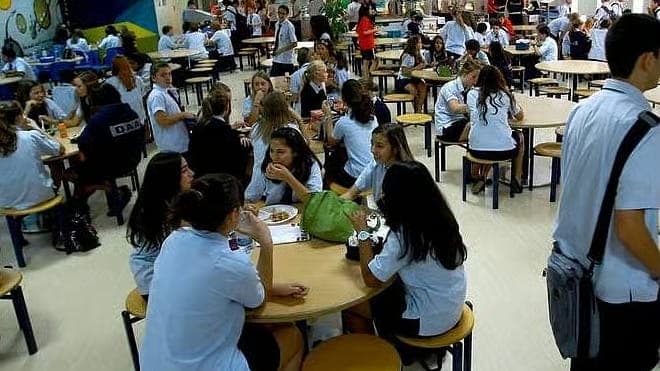
As the UAE enters the 2026-27 influenza season, families are being encouraged to protect children against the virus, with school students included among the priority groups eligible for free seasonal flu vaccination.
With children spending long hours in classrooms and interacting closely with classmates, schools can become important points of transmission. The risk does not end at the school gates, as infected children can also spread the virus to younger siblings, parents and elderly family members.

However, access to free vaccination varies across the emirates. While Sharjah and the Northern Emirates are conducting school-based vaccination drives, Abu Dhabi has included children aged five to 18 among those eligible for free vaccines. Dubai, meanwhile, has no free school-based influenza vaccination programme for private school students this academic year.
For parents, understanding where vaccines are available, whether consent is required and which vaccine is suitable for their children can help make the process easier.
Where can schoolchildren get free flu vaccines?
In Sharjah, Ajman, Umm Al Quwain, Ras Al Khaimah and Fujairah, eligible students can receive free seasonal influenza vaccines through school health services supported by Emirates Health Services (EHS).
Parents are advised to contact their children's schools for vaccination schedules, eligibility details and consent forms.
Several schools in Sharjah have already begun preparations for the campaign. At Ambassador School Sharjah, the vaccination drive will cover both students and teachers, according to principal Arogya Reddy, who said the school had received confirmation from the relevant health authority.
The school is also making alternative arrangements for students who miss their scheduled vaccination day, ensuring that their absence does not prevent them from accessing the service.
Describing the initiative as an important public health measure, Reddy said the school had implemented a similar programme last year and welcomed the government's efforts to make vaccination accessible.
Sharjah Indian School has also informed parents about its vaccination schedule. Principal Pramod Mahajan said the school was organising the programme in phases to accommodate different age groups.
The school has shared the vaccination calendar with families, with parental consent required before any child receives the vaccine.
Mahajan said parents had different views on vaccination and that schools respected their decisions.
"While some parents provide their consent, others choose to decline, and we need to take these factors into account before proceeding with the vaccination," he said.
In Abu Dhabi, children aged five to 18 are among the priority groups eligible for free flu vaccination during the 2026-27 season. Parents should check with their children's schools or healthcare providers to establish whether vaccines are being administered on campus or through designated health facilities.
Dubai has a different arrangement this academic year, with no free school-based influenza vaccination programme for private school students. Families can still approach healthcare providers for vaccination, although coverage may depend on insurance policies, eligibility and individual provider arrangements.
Parents can also check with their school nurses or clinics about any vaccination initiatives available to students.
Dr Mirrah Agha-Kandil, Group Medical Director at GEMS Education, said the group's approach to preventing seasonal influenza goes beyond vaccination and includes awareness campaigns and measures to limit the spread of infection.
School medical teams actively educate students and staff about the importance of vaccination, hand hygiene and respiratory etiquette. They also encourage anyone feeling unwell to stay home rather than risk infecting others.
GEMS also facilitates access to flu vaccines through partnerships and family benefit programmes, connecting members of its school community with participating healthcare providers.
"Our approach extends beyond vaccination alone, focusing on fostering a culture of prevention and shared responsibility among students, parents and staff," she said.
Is flu vaccination compulsory for schoolchildren?
No. Seasonal influenza vaccination is not compulsory for UAE school students. Parents can decide whether their children should receive the vaccine after considering medical advice and their individual health circumstances.
The UAE's National Seasonal Flu Awareness Campaign runs from September 1, 2026, to March 31, 2027. The Dubai Health Authority (DHA) recommends September and October as the preferred months for annual flu vaccination.
However, parents who have not yet arranged vaccination can still consult healthcare providers about availability and the appropriate timing.
Medical experts caution against treating influenza as an ordinary cold, particularly in children who may be more vulnerable to complications.
Dr Praveen Sreekanthalal, consultant paediatrician at NMC Specialty Hospital, Abu Dhabi, said that although most children recover completely, influenza can sometimes lead to serious illness requiring hospitalisation.
"Even healthy children can develop pneumonia and dehydration," he said.
Children are particularly exposed to respiratory infections because of their close contact with classmates and shared spaces. They can also carry the virus home, putting infants, younger siblings and elderly family members at risk.
Sreekanthalal said annual influenza vaccination is recommended for children aged six months and above, with particular importance for those living with underlying health conditions.
Children with asthma, chronic lung disease, heart or kidney conditions and weakened immune systems face a greater risk of severe complications.
He also stressed that vaccination does not provide immediate protection, as the body generally takes about two weeks to develop immunity.
Parents should therefore avoid delaying vaccination, particularly for children with existing medical conditions. Those whose children have never received a flu vaccine should consult a doctor about the appropriate schedule and dosage.
Can children get a nasal flu vaccine instead of an injection?
For children who are afraid of needles, the nasal spray vaccine may offer an alternative to the conventional injection. However, its suitability depends on the child's age and medical history.
Two main types of influenza vaccines are available: the injectable inactivated vaccine and the nasal spray vaccine.
According to Sreekanthalal, the nasal vaccine can be used for eligible healthy children aged two years and above. However, it is not suitable for everyone.
Children with weakened immune systems should not receive the nasal vaccine. It is also contraindicated for children aged two to four years who have asthma or have experienced recent wheezing.
Older children with asthma should consult their physicians before considering this option.
Parents should discuss the available vaccine types with their healthcare providers rather than choosing an option solely on the basis of a child's preference or fear of injections.
As vaccination arrangements differ across the UAE, checking with schools and healthcare facilities remains the most practical first step for families seeking protection for their children this flu season.
UAE makes schoolchildren priority for free flu vaccines across emirates

Syria restricts women’s entry to defence, security university courses under new admission rules

Russia plans to expand university presence in Africa, offers study grants

African languages remain marginalised in education despite push for equity, UNESCO think piece argues

MIT develops snake-inspired soft robot to help diagnose small intestine disorders
UAE makes schoolchildren priority for free flu vaccines across emirates

NTU Singapore, VFT launch joint research lab to develop safer batteries for renewable energy storage

ULLAS 2026: Will B.Ed. Students' Academic Credits Depend on Adults Passing Literacy Tests?

Earth’s life story may not have begun with comets, new study finds

Can India's Biggest Examinations Become Leak-Proof?

UAE makes schoolchildren priority for free flu vaccines across emirates
Syria restricts women’s entry to defence, security university courses under new admission rules
Russia plans to expand university presence in Africa, offers study grants
African languages remain marginalised in education despite push for equity, UNESCO think piece argues
MIT develops snake-inspired soft robot to help diagnose small intestine disorders
UAE makes schoolchildren priority for free flu vaccines across emirates
NTU Singapore, VFT launch joint research lab to develop safer batteries for renewable energy storage
ULLAS 2026: Will B.Ed. Students' Academic Credits Depend on Adults Passing Literacy Tests?
Earth’s life story may not have begun with comets, new study finds
Can India's Biggest Examinations Become Leak-Proof?
Copyright© educationpost.in 2026 All Rights Reserved.