


Four days into the joint US and Israeli military campaign against Iran, the conflict has widened across the Middle East, with intensified bombardment, retaliatory strikes, diplomatic tensions, and conflicting signals about how long the war might last.

The military confrontation that began on Feb 28 with coordinated US–Israeli strikes on Iran — including attacks on major urban and military sites — entered its fourth day on Tuesday, with no clear endpoint in sight and escalating regional fallout.
According to Al Jazeera’s day four update, key government installations in Tehran and other cities have been targeted in sustained air raids, while Iranian authorities continue retaliatory operations against US and allied military assets across the region.

The toll from strikes on Iranian soil, which began with the assassination of Supreme Leader Ayatollah Ali Khamenei, has now climbed to hundreds of people killed, with thousands more reported injured.
Beyond Iran’s borders, the conflict has spread to multiple fronts. Iranian missiles and drones have struck sites in the Gulf region, including oil infrastructure and US diplomatic posts, prompting heightened security alerts in countries such as Saudi Arabia. The closure of the critical Strait of Hormuz — through which a significant share of global oil exports transits — has added economic pressures, disrupting shipping and pushing energy prices higher.
The United States, meanwhile, has reported the destruction of Iranian air defence sites, missile launch facilities and command centres, according to CENTCOM statements — though independent verification of these claims is limited.
Perhaps the most consequential question facing international observers is how long this conflict will continue. A recent Times of India analysis highlighted contradictions in official messaging from the US and Israel, noting that neither side has provided a definitive endgame or timeline even as long-range air operations persist.
US President Donald Trump has suggested that the campaign could last four to five weeks or longer, emphasising that the United States has the capacity to sustain the military effort beyond its initial projections.
Trump’s comments reflect uncertainty within Washington about how quickly strategic objectives — such as neutralising perceived nuclear and missile threats — can be achieved.
Israeli Prime Minister Benjamin Netanyahu also acknowledged that the campaign “could take some time” but insisted it would not drag on for years, differentiating it from vast, prolonged conflicts the region has seen in the past.
Netanyahu’s remarks indicate Tel Aviv’s belief in a limited, albeit intense, military phase rather than an open-ended war.
Beyond military strategy and timelines, the conflict has serious humanitarian and economic implications. The fighting has already affected civilian populations inside Iran and in neighbouring countries, with reports of infrastructure damage and displacement in multiple urban centres.
Many international airlines have suspended flights in and out of Middle Eastern hubs, highlighting the crisis’s impact on global mobility and commerce.
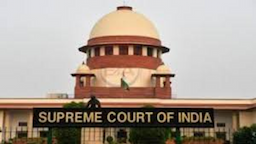
Rekha Sharma’s 40% Disability Certificate Disputed After Medical Board Reassessed It at 30%

Arctic Seals Face Rising Extinction Risk as Climate Change Accelerates Sea Ice Loss
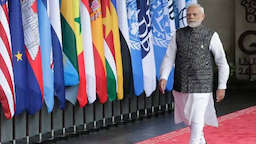
India's Multi-Alignment Policy Faces Fresh Diplomatic Challenges

AI Model Can Identify Zero-Day Vulnerabilities in Critical Software
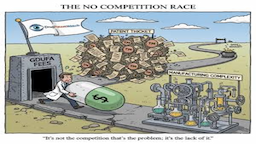
Patent Rejection Opens Possibilities for Generic Competition

Canada shifts focus to research talent as New Zealand targets growth in international education

Delhi to Attempt Artificial Rain Again as Pollution Chokes Capital; New Aircraft to Be Deployed

Want to speak Japanese with anime characters? Japan is developing an AI-powered language education app

Why are 3 in 4 Singapore parents turning to private tuition despite trust in schools?
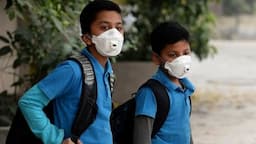
Delhi-NCR schools go hybrid: Which classes are affected and what parents should know?

Rekha Sharma’s 40% Disability Certificate Disputed After Medical Board Reassessed It at 30%
Arctic Seals Face Rising Extinction Risk as Climate Change Accelerates Sea Ice Loss
India's Multi-Alignment Policy Faces Fresh Diplomatic Challenges
AI Model Can Identify Zero-Day Vulnerabilities in Critical Software
Patent Rejection Opens Possibilities for Generic Competition
Canada shifts focus to research talent as New Zealand targets growth in international education
Delhi to Attempt Artificial Rain Again as Pollution Chokes Capital; New Aircraft to Be Deployed
Want to speak Japanese with anime characters? Japan is developing an AI-powered language education app
Why are 3 in 4 Singapore parents turning to private tuition despite trust in schools?
Delhi-NCR schools go hybrid: Which classes are affected and what parents should know?
Copyright© educationpost.in 2026 All Rights Reserved.