


India Maintains Strategic Balancing Amid Escalating Iran War and West Asia Crisis
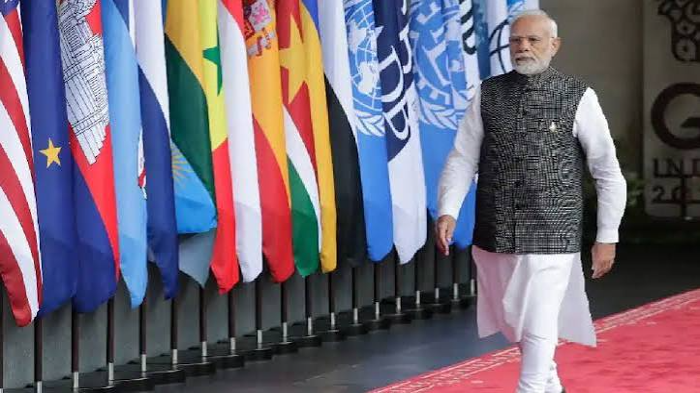
India's foreign policy towards West Asia is facing renewed scrutiny amid the expanding Iran war and changing regional security dynamics. The conflict, which followed the October 7, 2023, Hamas attack on Israel and subsequent developments involving the US and Israel, has created diplomatic and strategic challenges for New Delhi. Pakistan's growing involvement in regional security arrangements has also raised concerns about its potential impact on India's interests.
Historically, India's engagement with West Asia was shaped by geographical proximity, energy requirements, historical connections and shared experiences of colonialism. During the 1950s and 1960s, India maintained close relations with Egypt under Jawaharlal Nehru and supported the Non-Aligned Movement. In the 1970s and 1980s, its relationship with Iraq gained importance.

Following the end of the Cold War and India's economic liberalisation in the 1990s, New Delhi gradually adopted a multi-alignment and interest-oriented foreign policy. Its diplomatic relations with Israel were established in 1992, while engagement with Gulf countries expanded under the Look West policy.
Over time, India's approach evolved from Look West and Think West to Act West, strengthening cooperation with Israel, Iran and Gulf Cooperation Council (GCC) countries. Initiatives such as the I2U2 grouping, Chabahar port project and India-Middle East-Europe Economic Corridor (IMEC) reflected this growing engagement.
However, the Gaza conflict and subsequent Iran war have complicated India's diplomatic position. The closure of the Strait of Hormuz, attacks on international shipping and threats to infrastructure in Gulf countries have directly affected India's energy security, trade and the safety of nearly 10 million Indian nationals in the region.
India continues to emphasise de-escalation, diplomatic engagement and negotiated solutions while maintaining relations with key regional partners. Its approach reflects an effort to balance strategic interests, energy requirements and regional partnerships without abandoning its established principles of multi-alignment and neutrality.
Rekha Sharma’s 40% Disability Certificate Disputed After Medical Board Reassessed It at 30%

Arctic Seals Face Rising Extinction Risk as Climate Change Accelerates Sea Ice Loss
India's Multi-Alignment Policy Faces Fresh Diplomatic Challenges

AI Model Can Identify Zero-Day Vulnerabilities in Critical Software
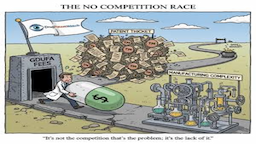
Patent Rejection Opens Possibilities for Generic Competition

Canada shifts focus to research talent as New Zealand targets growth in international education

Delhi to Attempt Artificial Rain Again as Pollution Chokes Capital; New Aircraft to Be Deployed

Want to speak Japanese with anime characters? Japan is developing an AI-powered language education app

Why are 3 in 4 Singapore parents turning to private tuition despite trust in schools?
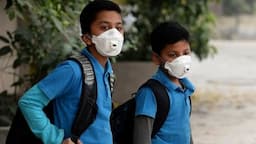
Delhi-NCR schools go hybrid: Which classes are affected and what parents should know?

Rekha Sharma’s 40% Disability Certificate Disputed After Medical Board Reassessed It at 30%
Arctic Seals Face Rising Extinction Risk as Climate Change Accelerates Sea Ice Loss
India's Multi-Alignment Policy Faces Fresh Diplomatic Challenges
AI Model Can Identify Zero-Day Vulnerabilities in Critical Software
Patent Rejection Opens Possibilities for Generic Competition
Canada shifts focus to research talent as New Zealand targets growth in international education
Delhi to Attempt Artificial Rain Again as Pollution Chokes Capital; New Aircraft to Be Deployed
Want to speak Japanese with anime characters? Japan is developing an AI-powered language education app
Why are 3 in 4 Singapore parents turning to private tuition despite trust in schools?
Delhi-NCR schools go hybrid: Which classes are affected and what parents should know?
Copyright© educationpost.in 2026 All Rights Reserved.