


India's Rejection of TB Drug Patent Application Could Improve Access to Affordable Treatment
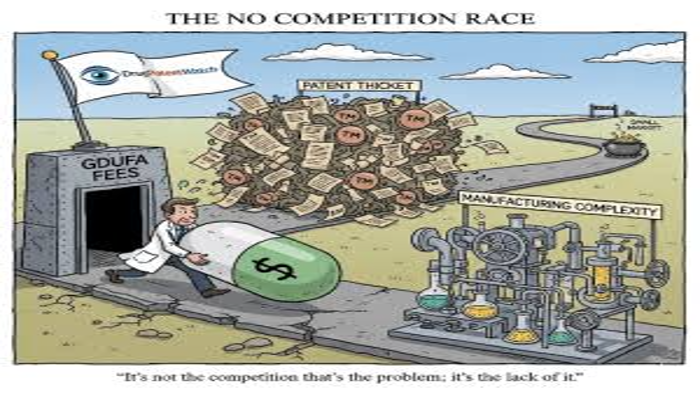
The Indian Patent Office's rejection of a patent application for a combination of three tuberculosis (TB) medicines — bedaquiline, pretomanid and linezolid, collectively known as the BPaL regimen — has been welcomed by health experts as an important development in improving access to affordable treatment for drug-resistant tuberculosis.
The application was filed by the US-based Global Alliance for TB Drug Development (TB Alliance). Its rejection means the applicant cannot claim exclusive rights over this particular combination through the rejected patent application in India. This could allow more pharmaceutical manufacturers to produce the medicines, encourage generic competition and potentially reduce treatment costs.

The decision followed two pre-grant patent oppositions filed in 2020. These objections were raised by organisations and individuals seeking to prevent the grant of the patent.
The BPaL regimen is a six-month, all-oral treatment recommended by the World Health Organization (WHO) for eligible patients with drug-resistant TB. A related treatment, BPaLM, includes an additional medicine, moxifloxacin.
The BPaLM regimen has recorded a treatment success rate of 89 per cent, compared with 52–75 per cent for standard treatment regimens. More than 15,000 patients have already started BPaLM treatment under India's national TB programme.
India accounts for nearly one-fourth of the global TB burden, with an incidence rate of 187 cases per 100,000 people in 2024.
However, experts caution that patent rejection alone cannot guarantee affordable medicines or their widespread availability. Effective government procurement, adequate supplies and the presence of quality-assured manufacturers will remain essential.
The development could strengthen India's efforts towards TB elimination by improving access to shorter, more effective and affordable treatment options.
Rekha Sharma’s 40% Disability Certificate Disputed After Medical Board Reassessed It at 30%

Arctic Seals Face Rising Extinction Risk as Climate Change Accelerates Sea Ice Loss
India's Multi-Alignment Policy Faces Fresh Diplomatic Challenges
AI Model Can Identify Zero-Day Vulnerabilities in Critical Software
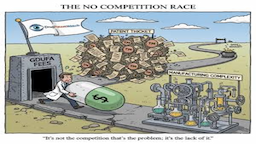
Patent Rejection Opens Possibilities for Generic Competition

Canada shifts focus to research talent as New Zealand targets growth in international education
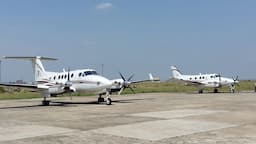
Delhi to Attempt Artificial Rain Again as Pollution Chokes Capital; New Aircraft to Be Deployed

Want to speak Japanese with anime characters? Japan is developing an AI-powered language education app

Why are 3 in 4 Singapore parents turning to private tuition despite trust in schools?
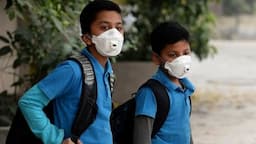
Delhi-NCR schools go hybrid: Which classes are affected and what parents should know?

Rekha Sharma’s 40% Disability Certificate Disputed After Medical Board Reassessed It at 30%
Arctic Seals Face Rising Extinction Risk as Climate Change Accelerates Sea Ice Loss
India's Multi-Alignment Policy Faces Fresh Diplomatic Challenges
AI Model Can Identify Zero-Day Vulnerabilities in Critical Software
Patent Rejection Opens Possibilities for Generic Competition
Canada shifts focus to research talent as New Zealand targets growth in international education
Delhi to Attempt Artificial Rain Again as Pollution Chokes Capital; New Aircraft to Be Deployed
Want to speak Japanese with anime characters? Japan is developing an AI-powered language education app
Why are 3 in 4 Singapore parents turning to private tuition despite trust in schools?
Delhi-NCR schools go hybrid: Which classes are affected and what parents should know?
Copyright© educationpost.in 2026 All Rights Reserved.