


A new survey highlights rising academic anxiety, PSLE-related competition and household spending on extra classes, while revealing growing parental support for alternative secondary school admission pathways.
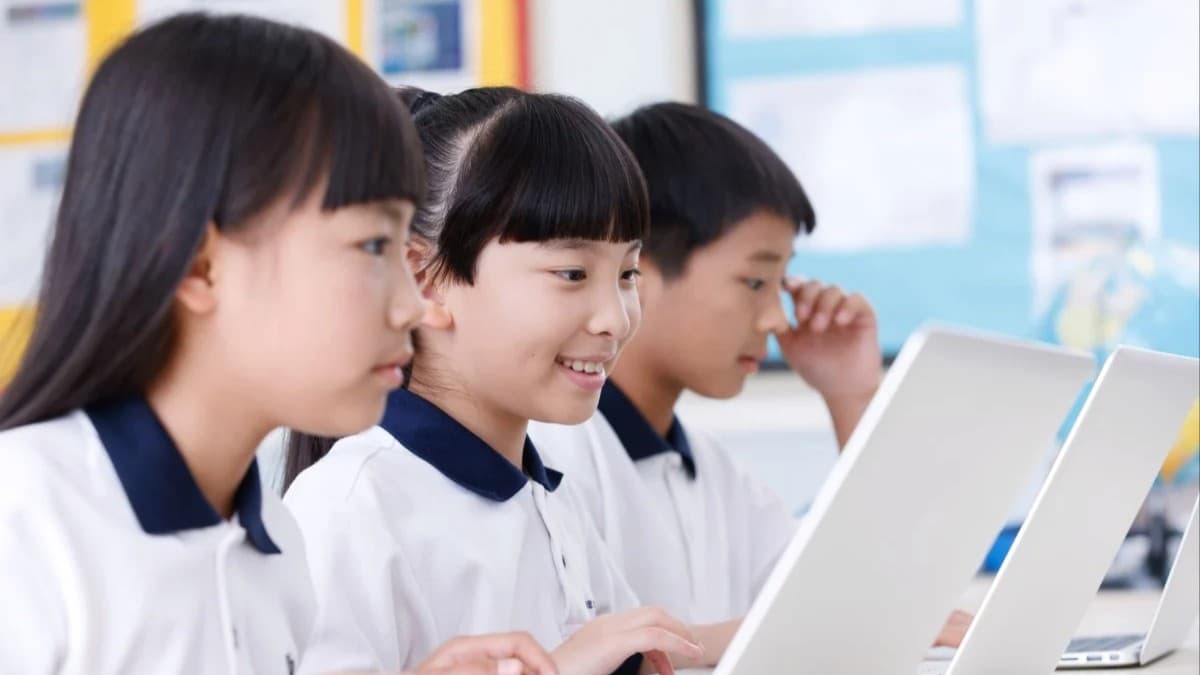
A survey of 4,007 Singapore residents has found that three in four parents consider private tuition necessary for primary school children to perform well academically, with families spending a median of $600 per child every month on additional lessons.
Released on Nov 9 by children's advocacy group EveryChild.SG, the findings highlight parents' concerns about academic competition, examination pressure and the rising cost of supplementary education, despite widespread confidence in Singapore's education system.

The survey found that 72% of parents wanted to ease academic pressure on their children but feared that doing so could put them at a disadvantage in the Primary School Leaving Examination (PSLE).
Meanwhile, 77% said they would be willing to reduce the pressure if their children were assured admission to secondary school through an alternative system that made the PSLE optional.
Released by children's advocacy organization EveryChild.SG, the findings indicate that although parents generally have confidence in Singapore's education system, concerns about academic competition, examination pressure and the rising cost of private tuition persist.
Singapore parents spend median $600 monthly on primary school tuition
The survey revealed differences in additional education spending across household income groups, indicating that the amount families allocate to private tuition varies considerably depending on their earnings.
Households with monthly incomes of $5,000 or less spent a median of $300 per primary school child on tuition.
Families earning between $5,000 and $15,000 a month spent a median of $600 per child, while those with monthly incomes ranging from $15,000 to $20,000 spent $1,000.
The findings point to the financial commitment families make toward supplementary education, with private tuition accounting for a considerable monthly expense for many households.
A separate study by Singapore's Institute of Policy Studies (IPS), released in September, found that parents spent a median of $500 per month on private tuition.
The IPS research examined parents' attitudes toward and perceptions of the education system. It also found that more parents were experiencing stress over their children's future compared with 2016.
Survey of 4,007 Singapore residents examines education pressures
The research was conducted by market research firm NielsenIQ, primarily between January and February, and covered 4,007 Singapore citizens and permanent residents.
The respondents included 2,002 parents aged 25 to 65 whose children were currently enrolled in local primary schools or had attended them within the previous five years.
The remaining 2,005 participants were young adults aged 18 to 30 who had studied at local primary schools.
The survey was conducted mainly online and made available in English, Chinese and Malay.
According to EveryChild.SG founder Pooja Bhandari, the respondent sample broadly represented Singapore's national demographics across race, gender and housing type.
EveryChild.SG is a nonprofit children's advocacy organization established in 2023 by former civil servant Bhandari. It advocates education reforms that place greater emphasis on children's overall development beyond academic performance.
Its earlier research includes a 2025 report examining support for children with special educational needs.
Most parents express confidence in Singapore's primary education system
Despite concerns about tuition expenses and academic competition, the survey found that most respondents viewed Singapore's primary education system positively.
Around 80% agreed that the country's primary education system was among the best when compared with those of other developed countries.
The school environment also received favorable responses, with approximately 85% expressing positive views about aspects such as students' emotional safety and whether teachers treated them with respect.
Commenting on the findings, Bhandari said, “Singapore has built an education system that is widely admired for its academic achievements. The challenge now is to build on these strengths while addressing the pressures and inequalities that have emerged alongside them.”
The findings indicate that parents recognize the strengths of the country's education system while remaining concerned about the academic expectations and financial commitments associated with children's schooling.
Parents support alternative system that could make PSLE optional
The survey also examined parents' views on changing the existing examination and school progression structure, particularly the role of the Primary School Leaving Examination.
Around 80% of respondents believed that a "through-train" education system would make learning more enjoyable for students.
Another 79% felt that such an arrangement could reduce examination-related pressure. The report noted that these responses indicate considerable parental openness to structural changes in the education system.
EveryChild.SG has previously proposed introducing a through-train arrangement under which 80% to 90% of students would move directly to an associated secondary school without appearing for the PSLE.
Students seeking admission to selective secondary schools would retain the option of taking the examination.
Under this proposed arrangement, the majority of students would not have to compete for secondary school placements through the existing examination-based system.
The survey findings also highlighted concerns about classroom sizes and the amount of individual attention teachers can provide to students.
Around 66% of respondents believed that classes were too large for teachers to give sufficient attention to every child.
Additionally, 73% of parents felt that larger class sizes contributed to the perceived need for private tuition.
Academics caution that removing PSLE may not eliminate competition
Assistant Professor Kwan Jin Yao of the University of Delaware in the United States said the survey findings reflected a familiar conflict within Singapore's education system.
He noted that the system prepares students effectively for further education and employment, but also creates stress for families competing to secure the best opportunities for their children.
Kwan's research focuses on youth development, poverty and inequality. He was also among the academics who reviewed the EveryChild.SG report.
He identified the absence of perspectives from current primary school students as an important gap in the research.
According to him, hearing directly from students could provide a better understanding of what causes academic stress and how children themselves view the PSLE.
Kwan also cautioned against assuming that removing the examination would automatically end academic competition.
Describing the PSLE as an "imperfect but fairly useful sorting mechanism," he said eliminating it could simply shift competition to other stages of the education system.
He explained that pressure could move to Primary 1 registration or subsequent national examinations, potentially making those assessments even more "high stakes."
Kwan also highlighted the difficulty of changing parental behavior when families fear that opting out of competitive academic practices could disadvantage their children.
"Overall, there is a collective-action problem when parents choose not to opt out if they worry that their children may be disadvantaged," he said.
The findings underline the challenge of balancing academic achievement with students' well-being in Singapore. While parents recognize the quality of the education system, concerns about tuition costs, classroom sizes and examination pressure continue to shape their expectations and decisions.

India Wins Five Medals at Junior Astronomy Olympiad 2026; Students Secure Two Golds
Want to speak Japanese with anime characters? Japan is developing an AI-powered language education app

India’s Race to the Bottom of the Ocean: MATSYA-6000 Aims to Take Three Indians 6,000 Metres Deep

Why are 3 in 4 Singapore parents turning to private tuition despite trust in schools?
Delhi-NCR schools go hybrid: Which classes are affected and what parents should know?
Want to speak Japanese with anime characters? Japan is developing an AI-powered language education app
Why are 3 in 4 Singapore parents turning to private tuition despite trust in schools?
Delhi-NCR schools go hybrid: Which classes are affected and what parents should know?

One in three New Zealand students more than a year behind at school

Australia launches free disability resources to help teachers build inclusive classrooms

India Wins Five Medals at Junior Astronomy Olympiad 2026; Students Secure Two Golds
Want to speak Japanese with anime characters? Japan is developing an AI-powered language education app
India’s Race to the Bottom of the Ocean: MATSYA-6000 Aims to Take Three Indians 6,000 Metres Deep
Why are 3 in 4 Singapore parents turning to private tuition despite trust in schools?
Delhi-NCR schools go hybrid: Which classes are affected and what parents should know?
Want to speak Japanese with anime characters? Japan is developing an AI-powered language education app
Why are 3 in 4 Singapore parents turning to private tuition despite trust in schools?
Delhi-NCR schools go hybrid: Which classes are affected and what parents should know?
One in three New Zealand students more than a year behind at school
Australia launches free disability resources to help teachers build inclusive classrooms
Copyright© educationpost.in 2026 All Rights Reserved.