


The upgraded Passenger Reservation System will significantly boost booking capacity, offer AI-powered waitlist predictions and improve the ticketing experience for millions of passengers across the country.
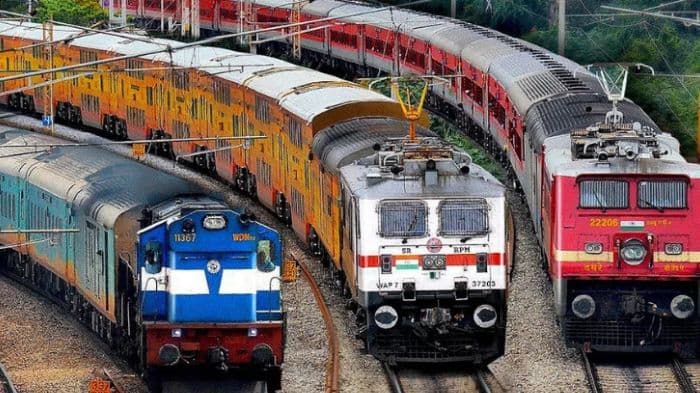
Indian Railways is set to launch a revamped Passenger Reservation System (PRS) from August, replacing its decades-old booking infrastructure with a modern platform designed to handle growing passenger demand and improve the overall ticket reservation experience.
According to officials, the new reservation system has been developed by the Centre for Railway Information Systems (CRIS) and is expected to offer a substantial increase in booking capacity while introducing a range of passenger-friendly features. The rollout is part of Indian Railways' broader digital modernisation efforts aimed at making ticketing faster, more reliable and more transparent.

One of the most significant improvements will be the system's ability to handle a much larger volume of bookings and enquiries simultaneously.
The upgraded platform is expected to process up to 1.5 lakh ticket bookings per minute, compared to the current capacity of around 32,000 tickets per minute. Enquiry handling capacity is also expected to increase significantly, helping reduce congestion on the system during peak booking periods such as festivals, holidays and Tatkal ticket sales.
The enhanced infrastructure is expected to improve user experience on the IRCTC platform, where passengers often face delays and heavy traffic during high-demand booking windows.
AI-powered waitlist predictions
Among the new features being introduced is an AI-enabled waitlist prediction system. The feature is expected to provide passengers with a more accurate assessment of the likelihood of their waitlisted tickets getting confirmed before departure.
Currently, passengers often rely on third-party tools or historical trends to estimate confirmation chances. The new system aims to offer more reliable information directly through the railway booking ecosystem, helping travellers make informed decisions while planning their journeys.
Officials believe the feature will improve transparency and reduce uncertainty for passengers travelling on heavily booked routes.
Support for multilingual services
The upgraded reservation system is also expected to support multilingual services, making it easier for passengers from different regions to access railway booking facilities in their preferred language.
The move aligns with the government's broader efforts to improve accessibility and inclusivity in public digital services.
Passengers are also expected to benefit from a more user-friendly interface and enhanced search capabilities, allowing them to navigate booking options more efficiently.
Indian Railways serves millions of passengers every day and manages one of the world's largest railway networks. With increasing demand for online bookings, officials have emphasised the need for a reservation system capable of handling future growth.
The current PRS has undergone several upgrades over the years but is based on technology that has been in operation for decades. The new platform has been designed to support significantly higher transaction volumes while maintaining system stability and reliability.
Railway authorities have said the transition will be carried out in phases beginning in August to ensure minimal disruption to passenger services.
The rollout comes as Indian Railways continues to invest in technology-driven initiatives across its operations. Recent years have seen the introduction of digital ticketing solutions, real-time train tracking, improved passenger information systems and expanded use of data analytics.
The new reservation system is expected to become a key component of this digital ecosystem, providing a foundation for future innovations in passenger services.
Once fully operational, the upgraded PRS is expected to improve booking efficiency, reduce system bottlenecks and provide passengers with faster, more reliable access to railway reservation services.

Rekha Sharma’s 40% Disability Certificate Disputed After Medical Board Reassessed It at 30%

Arctic Seals Face Rising Extinction Risk as Climate Change Accelerates Sea Ice Loss

India's Multi-Alignment Policy Faces Fresh Diplomatic Challenges
AI Model Can Identify Zero-Day Vulnerabilities in Critical Software
Patent Rejection Opens Possibilities for Generic Competition

Canada shifts focus to research talent as New Zealand targets growth in international education

Delhi to Attempt Artificial Rain Again as Pollution Chokes Capital; New Aircraft to Be Deployed

Want to speak Japanese with anime characters? Japan is developing an AI-powered language education app

Why are 3 in 4 Singapore parents turning to private tuition despite trust in schools?

Delhi-NCR schools go hybrid: Which classes are affected and what parents should know?

Rekha Sharma’s 40% Disability Certificate Disputed After Medical Board Reassessed It at 30%
Arctic Seals Face Rising Extinction Risk as Climate Change Accelerates Sea Ice Loss
India's Multi-Alignment Policy Faces Fresh Diplomatic Challenges
AI Model Can Identify Zero-Day Vulnerabilities in Critical Software
Patent Rejection Opens Possibilities for Generic Competition
Canada shifts focus to research talent as New Zealand targets growth in international education
Delhi to Attempt Artificial Rain Again as Pollution Chokes Capital; New Aircraft to Be Deployed
Want to speak Japanese with anime characters? Japan is developing an AI-powered language education app
Why are 3 in 4 Singapore parents turning to private tuition despite trust in schools?
Delhi-NCR schools go hybrid: Which classes are affected and what parents should know?
Copyright© educationpost.in 2026 All Rights Reserved.