


A government survey finds 35.9% of supporting organizations have neither secured enough registered instructors nor identified prospects, raising concerns before the new employment program launches next April.
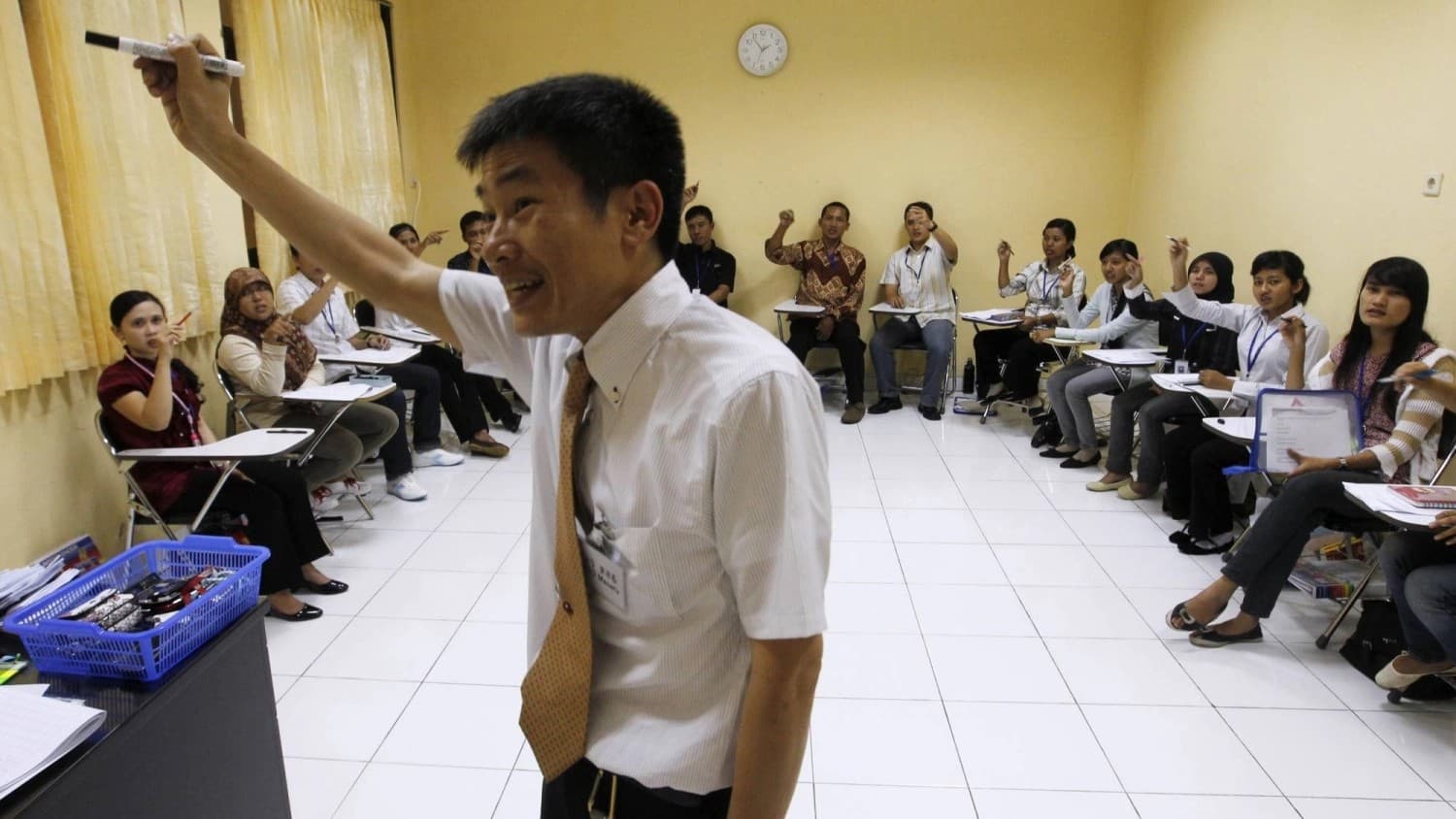
Japan is struggling to secure enough qualified Japanese language teachers as it prepares to introduce a new employment framework for foreign nationals next April, raising concerns about whether supporting organizations and employers can meet the language training requirements.
According to The Japan Times, a recent government survey has found that more than one-third of organizations involved in accepting and supporting foreign workers have not secured sufficient numbers of registered Japanese language teachers and have no clear prospects of doing so.

The shortage comes ahead of the launch of the Employment for Skill Development program, which will replace the existing Technical Intern Training program. Under the new framework, foreign nationals seeking employment in Japan must meet specified Japanese language proficiency requirements before starting work.
Applicants will be required to pass at least the A1 level of a Japanese language proficiency test or complete a minimum of 100 hours of Japanese language classes before beginning employment in the country.
The survey was jointly conducted by the Immigration Services Agency and Japan's labor ministry. It sought information from organizations responsible for supporting foreign workers and companies that will receive them under the upcoming employment program.
For the survey, authorities approached 1,880 organizations included on the mailing list of the government-affiliated Organization for Technical Intern Training. A total of 348 organizations submitted valid responses during the three-day period ending Oct 7.
More than one-third of organizations yet to secure teachers
The findings indicate considerable gaps in preparations for the new system. Of the 348 organizations that responded, 125, accounting for 35.9%, said they had not secured enough registered Japanese language teachers and had no prospects of meeting their requirements.
Only 51 organizations, representing 14.7% of respondents, confirmed that they had secured a sufficient number of teachers. Another 66 organizations, or 19%, said they expected to secure the required teachers.
The remaining 106 respondents said they were still working to arrange the necessary teaching resources. The responses suggest that a considerable proportion of organizations are yet to complete preparations for meeting the language education requirements before the new employment framework takes effect.
The shortage also highlights difficulties faced by organizations in identifying and recruiting registered Japanese language teachers. Respondents pointed to the limited availability of such professionals and said they were unsure about how to locate suitable teachers or which authorities and institutions they could approach for assistance.
Japan expects to accept more than 17,000 foreign workers in first year
The 348 organizations participating in the survey planned to accept a combined total of 17,247 foreign nationals under the Employment for Skill Development program during its first year.
Of these, 13,502 prospective workers are expected to meet the A1-level Japanese proficiency requirement or a higher standard through language tests before arriving in Japan.
The figures indicate that a substantial number of incoming workers will need to satisfy the prescribed language conditions as part of the new employment arrangements.
The requirement to demonstrate basic Japanese proficiency or complete at least 100 hours of language instruction is intended to establish a minimum level of communication among foreign workers entering the country's workforce.
However, the survey findings indicate that organizations responsible for supporting these workers may face difficulties arranging the required instruction because of the limited availability of registered teachers.
Government plans further efforts to secure Japanese language teachers
The availability of registered Japanese language teachers remains a concern as the country prepares for the transition to the new employment system. As of August this year, Japan had approximately 20,000 registered Japanese language teachers.
Despite this existing pool of professionals, the survey responses point to difficulties in connecting organizations with teachers who can provide the required instruction to incoming foreign workers.
An official from the Immigration Services Agency acknowledged the need to improve awareness of the registration system and address the shortage of teaching resources.
“We have to raise awareness about the system,” said an Immigration Services Agency official. “We will make further efforts to secure teachers.”
The government is expected to continue working toward improving awareness and increasing the availability of registered Japanese language teachers ahead of the new program's introduction next April.
The ability of supporting organizations and recipient companies to arrange language instruction will be an important part of preparations for accepting foreign workers under the revised framework.

Apple promotes Indian-origin engineer Rajesh Ambati to vice-president of engineering

Bhutan Glacial Lake Outburst Triggers Flood Alert in Assam and North Bengal; Over 10,000 Evacuated

West Bengal to bar school teachers, non-teaching staff from political activities; considers performance-based increments

Schools closed in Chhattisgarh, Odisha amid heavy rainfall; check district-wise holiday updates

UP schools closed in 60 districts for UPSSSC PET 2026; Noida, Ghaziabad among affected areas

IIT Kharagpur to Establish India’s First Physical AI School with ₹35 Crore Investment
Japan wants more foreign workers, but who will teach them Japanese?

Patrick Stewart Dies at 86: Star Trek's Captain Picard and X-Men's Professor X Remembered

UAE makes schoolchildren priority for free flu vaccines across emirates

NTU Singapore, VFT launch joint research lab to develop safer batteries for renewable energy storage

Apple promotes Indian-origin engineer Rajesh Ambati to vice-president of engineering
Bhutan Glacial Lake Outburst Triggers Flood Alert in Assam and North Bengal; Over 10,000 Evacuated
West Bengal to bar school teachers, non-teaching staff from political activities; considers performance-based increments
Schools closed in Chhattisgarh, Odisha amid heavy rainfall; check district-wise holiday updates
UP schools closed in 60 districts for UPSSSC PET 2026; Noida, Ghaziabad among affected areas
IIT Kharagpur to Establish India’s First Physical AI School with ₹35 Crore Investment
Japan wants more foreign workers, but who will teach them Japanese?
Patrick Stewart Dies at 86: Star Trek's Captain Picard and X-Men's Professor X Remembered
UAE makes schoolchildren priority for free flu vaccines across emirates
NTU Singapore, VFT launch joint research lab to develop safer batteries for renewable energy storage
Copyright© educationpost.in 2026 All Rights Reserved.