


The state Cabinet has approved restrictions on political involvement by school staff, while the government is considering linking teachers' annual increments and promotions to students' academic performance.
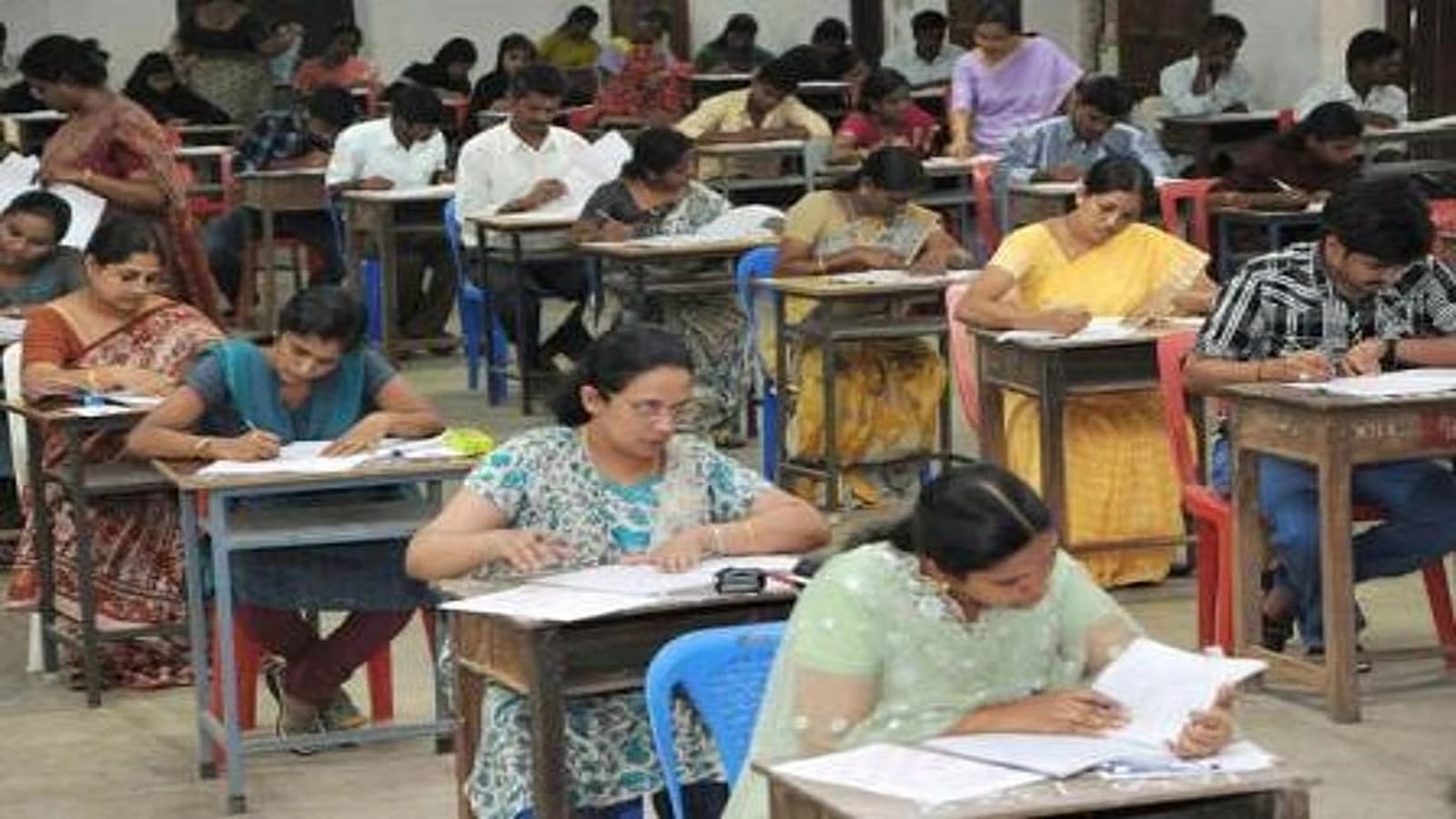
The West Bengal government has decided to prohibit teaching and non-teaching staff of government-run and government-aided schools from participating in political activities. The decision was approved at a Cabinet meeting on October 28, 2026, School Education Minister Deepak Barman announced on October 29.
The move is part of the state's proposed education reforms aimed at improving academic standards and strengthening the accountability of school staff.

According to the minister, the restriction will bring West Bengal in line with several other states where government school employees are subject to restrictions on political involvement.
The state government intends to bring both teaching and non-teaching employees of government-run and government-aided schools under the proposed restrictions.
Chief Minister Suvendu Adhikari had earlier announced that teachers appointed through future West Bengal School Service Commission (WBSSC) recruitment processes would not be permitted to participate directly in politics or contest elections.
The proposed restrictions include participation in active politics and contesting elections to panchayats, municipalities, state assemblies and the Lok Sabha.
However, the government has clarified that existing teachers who already hold political positions or have been elected to local bodies will not be covered by the restriction announced for future appointments.
The School Education Minister also clarified that teachers would be allowed to associate with non-political organisations, while participation in political activities would not be permitted.
Alongside restrictions on political activities, the West Bengal government is also considering a teacher accountability framework for primary schools.
Under the proposed system, teachers' annual salary increments and promotions could be linked to students' learning outcomes.
School Education Minister Deepak Barman explained that teachers may be required to justify students' academic progress. For instance, if 15 out of 20 students in a class fail to develop basic reading skills or show inadequate improvement, the concerned teacher may be asked to explain the reasons.
The government is considering reviewing such cases before approving annual salary increments. However, the detailed assessment criteria and implementation mechanism have not yet been announced.
The state government is also examining a change in the primary school teaching system.
Under the proposal, a single teacher could be assigned responsibility for teaching all subjects to a particular class instead of appointing separate teachers for Bengali, English, Mathematics and Geography.
The government believes this arrangement could help streamline classroom teaching and improve coordination in primary education.
Another proposal under consideration is the reintroduction of the pass-fail system in schools.
The government is examining changes to the existing student assessment framework as part of its broader efforts to improve academic performance.
However, no final implementation schedule or detailed guidelines for this proposal have been announced.
The School Education Minister also highlighted the government's recruitment plans to address teacher shortages.
According to Barman, the appointment of at least 13,000 primary school teachers in the near future could help bring the student-teacher ratio down to approximately 20:1.
The government also intends to improve teacher availability at the secondary school level.
These proposals form part of a wider education reform initiative focusing on teaching quality, staff accountability, student learning outcomes and institutional improvements.

Apple promotes Indian-origin engineer Rajesh Ambati to vice-president of engineering

Bhutan Glacial Lake Outburst Triggers Flood Alert in Assam and North Bengal; Over 10,000 Evacuated
West Bengal to bar school teachers, non-teaching staff from political activities; considers performance-based increments
Schools closed in Chhattisgarh, Odisha amid heavy rainfall; check district-wise holiday updates
UP schools closed in 60 districts for UPSSSC PET 2026; Noida, Ghaziabad among affected areas
IIT Kharagpur to Establish India’s First Physical AI School with ₹35 Crore Investment
Japan wants more foreign workers, but who will teach them Japanese?

Patrick Stewart Dies at 86: Star Trek's Captain Picard and X-Men's Professor X Remembered
UAE makes schoolchildren priority for free flu vaccines across emirates

NTU Singapore, VFT launch joint research lab to develop safer batteries for renewable energy storage

Apple promotes Indian-origin engineer Rajesh Ambati to vice-president of engineering
Bhutan Glacial Lake Outburst Triggers Flood Alert in Assam and North Bengal; Over 10,000 Evacuated
West Bengal to bar school teachers, non-teaching staff from political activities; considers performance-based increments
Schools closed in Chhattisgarh, Odisha amid heavy rainfall; check district-wise holiday updates
UP schools closed in 60 districts for UPSSSC PET 2026; Noida, Ghaziabad among affected areas
IIT Kharagpur to Establish India’s First Physical AI School with ₹35 Crore Investment
Japan wants more foreign workers, but who will teach them Japanese?
Patrick Stewart Dies at 86: Star Trek's Captain Picard and X-Men's Professor X Remembered
UAE makes schoolchildren priority for free flu vaccines across emirates
NTU Singapore, VFT launch joint research lab to develop safer batteries for renewable energy storage
Copyright© educationpost.in 2026 All Rights Reserved.