Singapore launches career guidance platform to connect schools with 2,000 industry partners by 2027
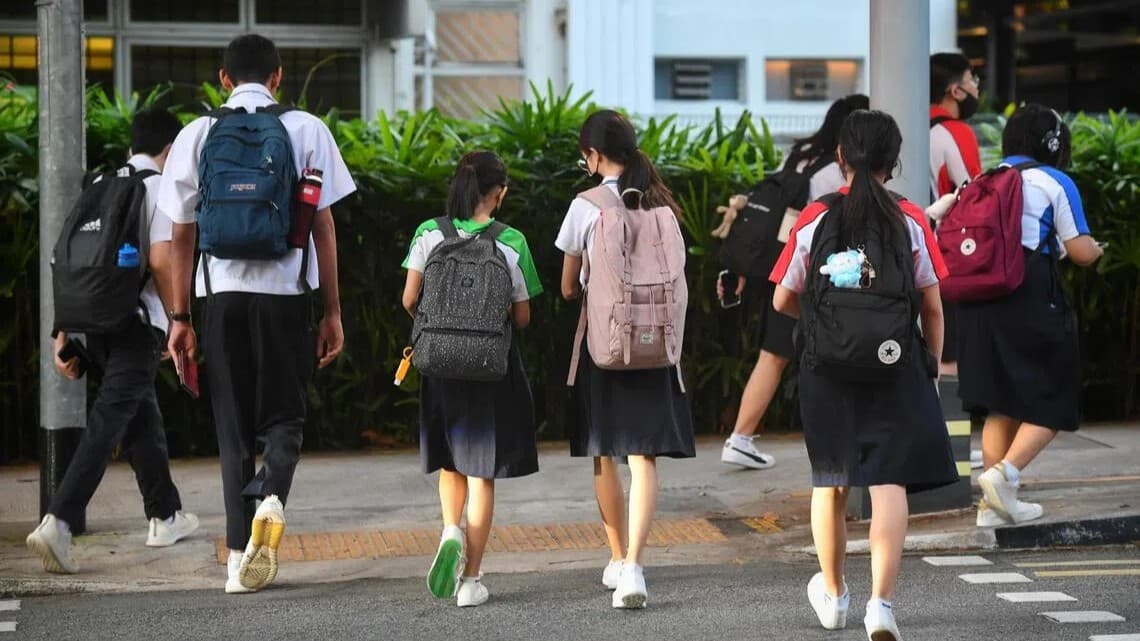
The initiative will offer primary, secondary and pre-university students access to career talks, workplace visits and professional experiences, helping them identify interests and understand different career pathways.
By Pragya Kumari · Updated
Students in Singapore will have more opportunities to experience professional environments and understand different career paths as the Ministry of Education (MOE) expands industry partnerships through a new digital initiative.
The ministry has introduced the Education and Career Guidance Match platform, known as ECG Match, to connect schools with professionals and organizations across different industries. The initiative is expected to give students greater exposure to workplaces and career opportunities by 2027.
The platform will serve primary, secondary and pre-university students, helping them explore various industries, identify their interests and develop an understanding of potential career aspirations.
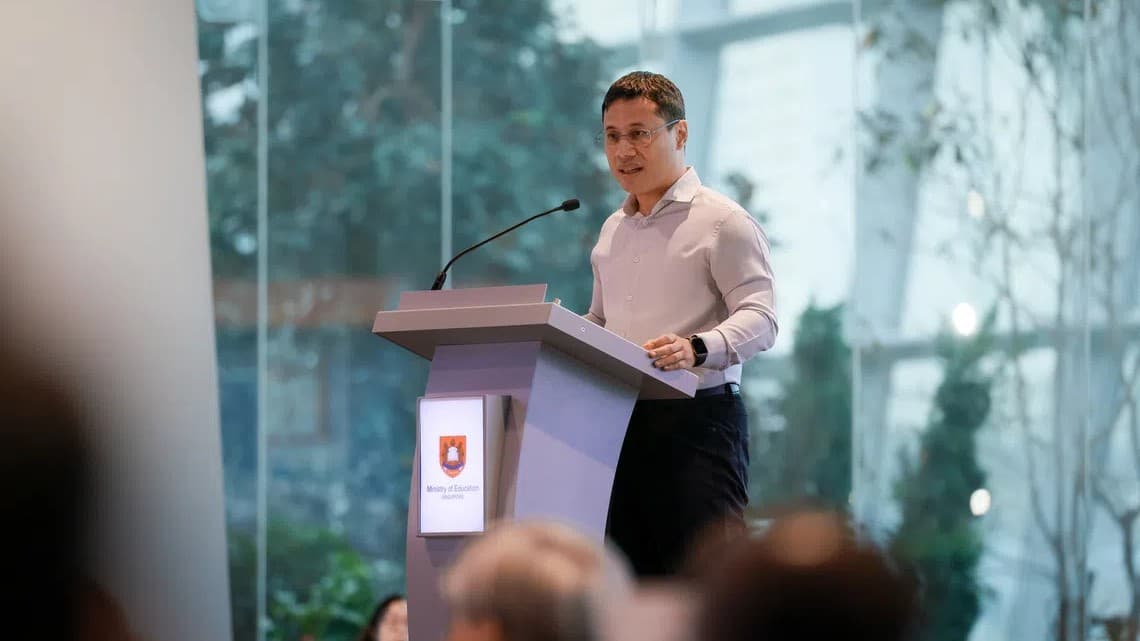
Education Minister Desmond Lee announced the initiative at a school-industry partnership appreciation event on Nov 11. He said interactions beyond conventional classroom settings would become increasingly important as schools reconsider their approaches to learning.
Lee said the ministry was strengthening its efforts to bring educational institutions and industry representatives together to create more opportunities for students.
“MOE has long played the role of ‘matchmaker.’ Colleagues across many divisions help schools and industry partners build fruitful partnerships,” Lee said at the event held at Gardens by the Bay.
According to Lee, the ministry's partnerships engagement office has already established connections with more than 180 organizations and helped facilitate over 60 school-industry partnerships.
The network of participating partners has expanded considerably since its launch. It began with 200 partners in 2025 and has since increased to 700.
MOE is now working toward bringing 2,000 partners onto the platform by 2027, further expanding the range of industries and professional experiences available to schools.
How Singapore's ECG Match platform will connect schools with industries
The ECG Match platform will operate as a digital matching system through which schools and industry representatives can communicate their requirements and availability.
Educational institutions will be able to specify the sectors they want students to explore and the types of learning opportunities they are seeking. Professionals and organizations, meanwhile, can provide information about their areas of expertise and the time they can commit.
Based on the information submitted by both sides, the system will recommend suitable matches to help schools establish relevant industry connections.
The ministry is also encouraging organizations, professionals and school alumni to contribute through different forms of engagement. These include sharing career experiences, organizing workplace learning journeys, participating in school career fairs and conducting short virtual classroom sessions.
The arrangements are designed to accommodate different levels of participation. A professional could contribute through a single one-hour interaction or take part in multiple activities throughout the academic year.
Lee urged industry partners to make their professional knowledge and workplace environments accessible to students, emphasizing the importance of practical learning experiences.
“Share your expertise and your experience. Open up your workplaces if you can. Work with our educators to create meaningful experiences for our students to learn,” Lee said.
Singapore aims to expand access to career guidance beyond school alumni networks
MOE's director-general of education Liew Wei Li told The Straits Times that the platform would make industry connections more accessible to schools, particularly those that do not have established alumni networks to support career guidance activities.
She described the initiative as one that “democratises access” to industry professionals, allowing schools to connect with people and organizations they might otherwise struggle to reach.
Liew also emphasized that introducing students to professional environments should not be postponed until they reach higher levels of education. Primary and secondary school students can begin understanding the relationship between their classroom lessons and the requirements of future workplaces.
She said learning about potential career destinations could give students a clearer reason to understand what they are studying. Such exposure could also encourage them to look beyond their immediate academic progression and consider the broader possibilities available to them.
“When you are trying to see how what they are learning pertains to what is needed in future, it is not too early to do that. We actually motivate students by giving them some ideas about the end point. Otherwise, their eyes are just fixed on the next school,” said Liew.
The initiative will also allow individual working professionals to participate without depending on their companies to establish formal school partnerships.
According to Liew, professionals can share their personal career experiences directly with students, offering insights into different professional journeys and the challenges people encounter during their working lives.
These interactions could help students understand how individuals deal with job rejections, layoffs and career transitions. By hearing authentic accounts, students can learn that professional journeys can involve different routes, setbacks and changes.
“We want to expose them to a range of people with authentic stories, and this is where it is almost like a human library,” said Liew.
She added that the initiative extends beyond providing students with workplace exposure. It also aims to help them understand their purpose, recognize their individual qualities and develop a better understanding of their strengths.
Singapore school-bakery partnership helps students build confidence through baking
The benefits of school-industry partnerships are also reflected in a collaboration between Juying Secondary School and local bakery Edith Patisserie. The initiative gave 25 students an opportunity to develop practical baking skills while working on their confidence and social interactions.
Between February and October, students from Secondary 1 to Secondary 3 participated in seven after-school baking sessions organized through the partnership.
The sessions focused on more than teaching professional baking techniques. Students also learned to cooperate with others, identify their strengths and develop confidence through shared activities.
Senthil Silvarajoo, 40, head of Character and Citizenship Education at Juying Secondary School, said teachers selected students who they believed would benefit from opportunities to interact positively with others.
He explained that some participants needed support in recognizing their self-worth, while others faced difficulties with confidence or managing anger. The initiative was designed to help them feel included and recognize their value.
“These are students who have various needs – perhaps not being able to see their self-worth yet, lacked confidence, had anger management issues, or just needed to know that they matter,” he said.
Baking sessions help students recognize their strengths and sense of belonging
Ethel Tan, 35, co-founder of Edith Patisserie, said the bakery structured the activities around the collaborative nature of baking. Each session lasted three hours and provided students with an opportunity to interact and work together in a supportive setting.
The partnership also aimed to broaden students' understanding of achievement by showing them that success can take different forms.
“We wanted to present different perspectives... that there are different definitions of success. And to help the students feel that they are successful and valued members of the community,” she said.
Students were also able to see the results of their participation at the end of every session. They could take home the baked products they had prepared or share them with someone else.
For Damien Luke, a Secondary 1 student, the experience became an opportunity to overcome his hesitation about interacting with unfamiliar people.
The sessions encouraged students to work in rotating teams, with each participant assigned specific responsibilities during the baking activities. Through this arrangement, the 13-year-old learned to communicate with classmates he did not know well.
The experience helped him become more comfortable around his peers, develop a sense of belonging and strengthen his interest in baking.
“I had to work with people I am not familiar with, but my passion to bake motivated me to speak to my new team members each session,” he said.
He also explained how understanding his own interests and abilities helped him become more confident when entering unfamiliar environments.
“I realised that I can be confident in new environments if I recognise my purpose and strength.”
The school-bakery collaboration illustrates how industry partnerships can contribute to students' personal development alongside career awareness. Through the ECG Match platform, MOE aims to extend similar opportunities across more schools by connecting educators with a wider network of professionals and organizations.
Also read