


Ladakh’s Demand for Constitutional Safeguards: ABL and KDA Release Talks with Centre
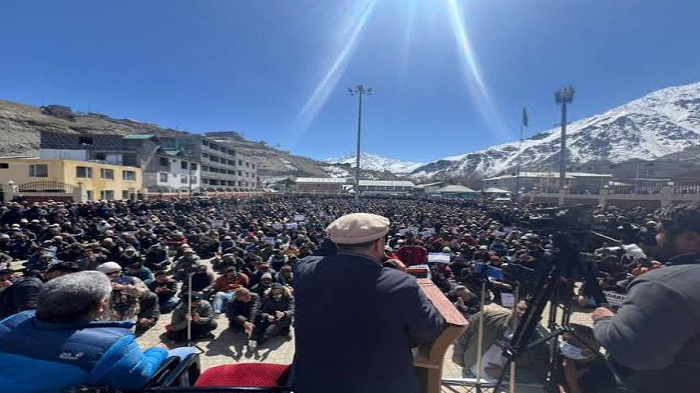
The Apex Body Leh (ABL) and the Kargil Democratic Alliance (KDA) on October 23, 2026, released documents and minutes of their meetings with the Union Ministry of Home Affairs (MHA). The records cover discussions held since May 22, when both sides reached an important understanding on providing constitutional safeguards to Ladakh under a proposed Article 371(K) and establishing a legislature for the Union Territory.
The decision to make the documents public followed allegations by former ABL co-chairman Thupstan Chhewang, who formed a separate group and accused the two organisations of obstructing negotiations with the Centre. ABL and KDA leaders said the documents would clarify their position and prevent confusion among the people of Ladakh.

They also alleged that the Centre and the Union Territory administration were attempting to weaken their leadership and divide local communities. The announcement of six new Ladakh Autonomous Hill Development Councils (LAHDCs) has added to these concerns. ABL and KDA leaders argue that the new councils could undermine existing political institutions and reduce their influence.
During the May 22 meeting, ABL and KDA agreed to modify their earlier demands. They moved from seeking Sixth Schedule protections to proposing Article 371(K), aimed at safeguarding Ladakh’s identity, land and employment opportunities. They also agreed to seek a legislature for the Union Territory instead of full statehood.
However, disagreements have emerged over the progress of negotiations and the Centre’s commitments. ABL and KDA have accused the government of backtracking on assurances made during the meeting, while Chhewang has criticised the organisations for adopting what he considers a hard-line approach.
Chhewang was removed from the ABL in May after differences over the proposed privatisation of electricity in Ladakh. Friction had also developed over the KDA’s growing influence and Muslim representation within the ABL. The breakaway group has further intensified divisions among local leaders.
The dispute reflects broader concerns about Ladakh’s political representation, autonomy and constitutional protection following its formation as a Union Territory in 2019. The outcome of negotiations with the Centre will be significant in determining how the region’s demands for democratic representation and safeguards over land, jobs and cultural identity are addressed.
Why Were the Meeting Records Made Public?
Significance of the Fifth Plenum

Major Security Breaches and the Role of Artificial Intelligence
Legal Provisions and Guardian Liability

The Role of Satellite Networks in Ukraine’s War

Will AI Become Compulsory in Indian Schools? What NCERT’s New Curriculum Means

McMaster University researcher wins $250,000 fellowship to advance bone implant research
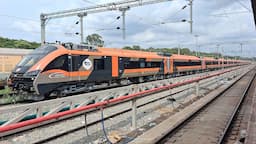
Vande Bharat Sleeper Train: Varanasi–New Delhi Route Approved, Check Route, Timings and Stops

DA Hike 2026: Centre Approves 3% Increase, Allowance Rises to 63%
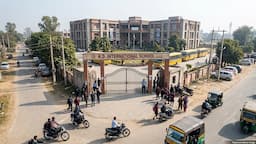
Haryana Listed 500 CHEERAG Seats at School After Recognition Withdrawal, Records Show

Why Were the Meeting Records Made Public?
Significance of the Fifth Plenum
Major Security Breaches and the Role of Artificial Intelligence
Legal Provisions and Guardian Liability
The Role of Satellite Networks in Ukraine’s War
Will AI Become Compulsory in Indian Schools? What NCERT’s New Curriculum Means
McMaster University researcher wins $250,000 fellowship to advance bone implant research
Vande Bharat Sleeper Train: Varanasi–New Delhi Route Approved, Check Route, Timings and Stops
DA Hike 2026: Centre Approves 3% Increase, Allowance Rises to 63%
Haryana Listed 500 CHEERAG Seats at School After Recognition Withdrawal, Records Show
Copyright© educationpost.in 2026 All Rights Reserved.