


Starlink and Starshield: How Satellite Communication Restrictions Exposed Ukraine’s Military Vulnerability
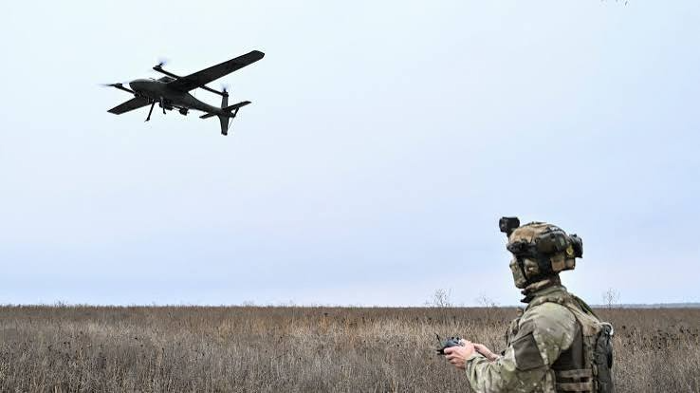
Ukraine’s military experienced disruptions to satellite communications in October 2026 after restrictions affected the use of SpaceX’s Starlink and Starshield systems by fast-moving equipment. The interruptions reportedly affected frontline operations and efforts to intercept Russian attack drones, highlighting Ukraine’s dependence on satellite networks controlled by private companies and foreign governments.
Starlink is a satellite-based internet network operated by SpaceX, the company founded by Elon Musk. It uses thousands of satellites in low-Earth orbit to provide internet connectivity through ground-based terminals. Unlike conventional broadband infrastructure, Starlink can operate in areas where communication cables and mobile networks have been damaged or destroyed. This has made it an important communication tool for Ukrainian forces during Russia’s ongoing war against Ukraine.

Starshield is a military-oriented satellite service developed by SpaceX for government and defence applications. It uses technology and infrastructure related to Starlink but is designed for specialised requirements, including secure communications, Earth observation and intelligence-related operations.
Ukrainian forces use satellite terminals on certain drones to maintain contact with operators over long distances. However, between October 13 and 14, Ukrainian units reported that satellite connections were failing when equipment travelled faster than approximately 160 kmph. Some units also experienced brief interruptions at lower speeds, forcing mission cancellations.
The restrictions particularly affected interceptor drones, which must travel quickly to intercept incoming Russian attack drones, as well as certain long-range strike drones. Losing connectivity can prevent operators from maintaining control or receiving information from the aircraft. On October 24, Ukraine’s Defence Ministry announced that stable connections had been restored at speeds exceeding 400 kmph.
The episode raised questions about Ukraine’s dependence on privately operated satellite infrastructure. Although SpaceX operates commercial Starlink, Starshield is primarily intended for government and military users, with the US government serving as its major customer.
The precise division of authority over the two systems remains unclear. Reports by Reuters and The Wall Street Journal offered differing accounts of who authorised the restrictions. Reuters, citing officials, reported that the order concerning Starshield originated within the White House, while the newspaper reported that Musk had personally ordered the slowdown.
Musk argued that Starshield was controlled by the US government and that restrictions on its use required authorisation from the US military or the President. US President Donald Trump denied responsibility, while Secretary of State Marco Rubio said decisions regarding Ukraine’s commercial Starlink access rested with SpaceX.
Musk also accused Ukraine of violating Starlink’s terms of service by using the commercial network for offensive drone strikes, while denying responsibility for the Starshield restrictions.
The controversy unfolded amid strained relations between Washington and Kyiv, as the Trump administration pressed Ukraine to halt attacks on Russian oil refineries and consider concessions in peace negotiations. However, the connection between these diplomatic pressures and the satellite restrictions remained unclear.
The incident highlights a broader strategic concern: modern military operations increasingly depend on commercial satellite networks, artificial intelligence and privately owned digital infrastructure. Such dependence can create operational vulnerabilities when access is restricted or political disagreements affect service availability. For Ukraine, developing alternative communication systems and strengthening technological independence remain important challenges for military resilience.
Why Were the Meeting Records Made Public?

Significance of the Fifth Plenum

Major Security Breaches and the Role of Artificial Intelligence

Legal Provisions and Guardian Liability
The Role of Satellite Networks in Ukraine’s War

Will AI Become Compulsory in Indian Schools? What NCERT’s New Curriculum Means

McMaster University researcher wins $250,000 fellowship to advance bone implant research

Vande Bharat Sleeper Train: Varanasi–New Delhi Route Approved, Check Route, Timings and Stops

DA Hike 2026: Centre Approves 3% Increase, Allowance Rises to 63%

Haryana Listed 500 CHEERAG Seats at School After Recognition Withdrawal, Records Show

Why Were the Meeting Records Made Public?
Significance of the Fifth Plenum
Major Security Breaches and the Role of Artificial Intelligence
Legal Provisions and Guardian Liability
The Role of Satellite Networks in Ukraine’s War
Will AI Become Compulsory in Indian Schools? What NCERT’s New Curriculum Means
McMaster University researcher wins $250,000 fellowship to advance bone implant research
Vande Bharat Sleeper Train: Varanasi–New Delhi Route Approved, Check Route, Timings and Stops
DA Hike 2026: Centre Approves 3% Increase, Allowance Rises to 63%
Haryana Listed 500 CHEERAG Seats at School After Recognition Withdrawal, Records Show
Copyright© educationpost.in 2026 All Rights Reserved.