


Kochi Minor Driving Case: How Section 199A Makes Guardians Liable for Juvenile Driving Offences
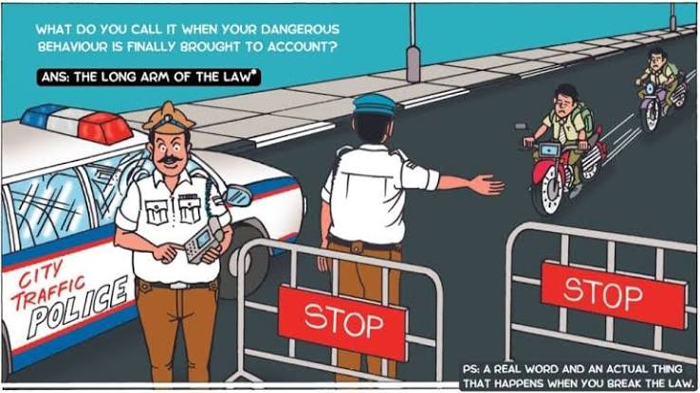
A fatal road accident in Kochi, Kerala, involving a car allegedly driven by a 17-year-old has brought attention to the criminal liability of parents, guardians and vehicle owners when minors drive illegally. The accident occurred on October 25, 2026, when the car reportedly hit a two-wheeler from behind, killing its 57-year-old rider. The minor’s father, an additional district judge, has also been booked under the Motor Vehicles Act, 1988.
Section 199A of the Motor Vehicles Act, introduced through the 2019 amendment, provides for the liability of guardians or vehicle owners when a juvenile commits specified traffic offences. It prescribes imprisonment of up to three years and a fine of ₹25,000, subject to the statutory requirements. The vehicle’s registration may also be cancelled, while proceedings against the juvenile are governed by the Juvenile Justice (Care and Protection of Children) Act, 2015.

The provision applies when a minor is charged with relevant offences, including driving without a valid licence, violating age restrictions or dangerous driving. Police must record the alleged offence and submit a social background report to the Juvenile Justice Board (JJB).
In a 2024 judgment, the Kerala High Court clarified that prosecution under Section 199A can begin without a prior finding by the JJB that the juvenile committed the offence. However, the guardian’s liability ultimately depends on the outcome of the juvenile’s proceedings.
The Kochi case is particularly significant because the minor reportedly faces a charge of culpable homicide not amounting to murder under Section 105 of the Bharatiya Nyaya Sanhita (BNS), besides offences under the Motor Vehicles Act.
The Juvenile Justice Act classifies offences as petty, serious and heinous according to the prescribed punishment. For children aged 16–18 accused of heinous offences, the JJB conducts a preliminary assessment under Section 15 to evaluate their mental and physical capacity, understanding of consequences and the circumstances of the alleged offence. This does not automatically mean that the child will be tried as an adult.
The Supreme Court’s 2020 observations on minors accused in fatal road accident cases are also relevant to determining whether such conduct qualifies as a heinous offence under juvenile justice law.
The case highlights the importance of preventing underage driving and ensuring accountability for guardians who permit minors to use motor vehicles unlawfully. It also underscores the need for proper investigation, compliance with statutory procedures and judicial scrutiny before criminal liability is imposed.

Why Were the Meeting Records Made Public?

Significance of the Fifth Plenum

Major Security Breaches and the Role of Artificial Intelligence
Legal Provisions and Guardian Liability

The Role of Satellite Networks in Ukraine’s War

Will AI Become Compulsory in Indian Schools? What NCERT’s New Curriculum Means

McMaster University researcher wins $250,000 fellowship to advance bone implant research

Vande Bharat Sleeper Train: Varanasi–New Delhi Route Approved, Check Route, Timings and Stops

DA Hike 2026: Centre Approves 3% Increase, Allowance Rises to 63%

Haryana Listed 500 CHEERAG Seats at School After Recognition Withdrawal, Records Show

Why Were the Meeting Records Made Public?
Significance of the Fifth Plenum
Major Security Breaches and the Role of Artificial Intelligence
Legal Provisions and Guardian Liability
The Role of Satellite Networks in Ukraine’s War
Will AI Become Compulsory in Indian Schools? What NCERT’s New Curriculum Means
McMaster University researcher wins $250,000 fellowship to advance bone implant research
Vande Bharat Sleeper Train: Varanasi–New Delhi Route Approved, Check Route, Timings and Stops
DA Hike 2026: Centre Approves 3% Increase, Allowance Rises to 63%
Haryana Listed 500 CHEERAG Seats at School After Recognition Withdrawal, Records Show
Copyright© educationpost.in 2026 All Rights Reserved.