


WMO warns that intensifying El Niño and rising global temperatures could worsen extreme weather worldwide.
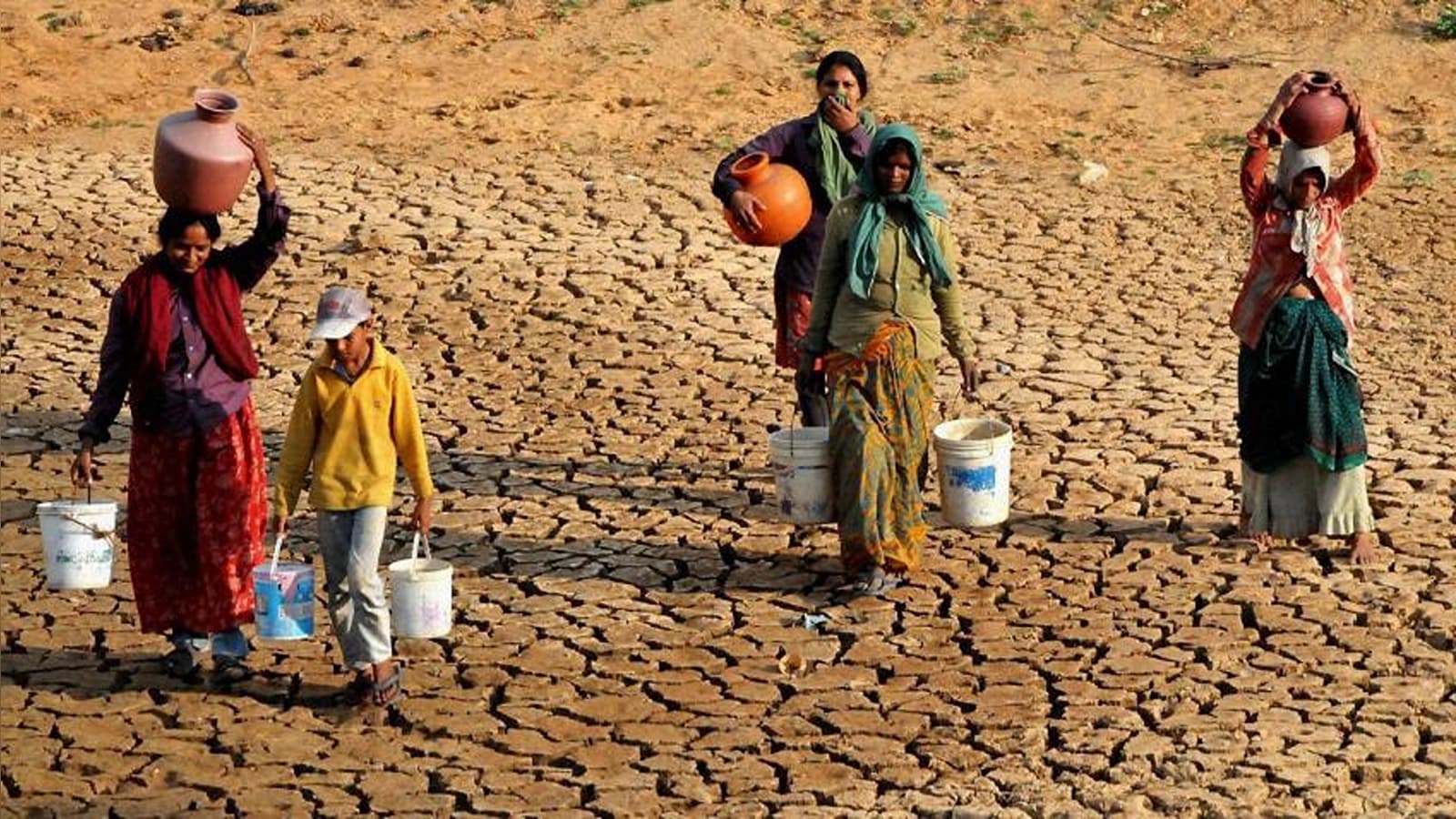
REPRESENTATIONAL IMAGE
The year 2026 is on track to become one of the four warmest years ever recorded, as rising global temperatures and an intensifying El Niño continue to increase climate risks across the world, according to a new report by the World Meteorological Organization (WMO). Released on November 9, 2026, during the opening of the UN Climate Change Conference (COP31) in Antalya, Turkey, the WMO's State of the Climate Update 2026 highlights a worrying pattern of rising temperatures, melting glaciers, record ocean heat and increasing sea levels.
According to the report, the average global surface temperature between January and September 2026 was approximately 1.47 degrees Celsius above the pre-industrial average (1850–1900). The figure is expected to increase further by the end of the year as El Niño strengthens. The report also identifies 2023, 2024, 2025 and 2026 as the four warmest years in the available temperature record, reflecting the continuing impact of global warming.

El Niño Could Intensify Global Warming Through 2027
A major concern highlighted in the report is the development of a strong El Niño event, which is expected to increase global temperatures and influence weather patterns well into 2027. El Niño is a natural climate phenomenon in which sea surface temperatures become unusually warm in parts of the central and eastern tropical Pacific Ocean. It affects rainfall, temperatures and weather conditions across different parts of the world. The WMO said El Niño has been intensifying since August 2026 and could reach exceptional strength by December.
According to the report, El Niño typically increases annual global average temperatures by around 0.1 to 0.2 degrees Celsius. WMO Secretary-General Celeste Saulo explained that El Niño does not create additional heat but releases heat stored in the oceans, which are already experiencing record temperatures. The combination of naturally occurring El Niño conditions and human-driven global warming could increase the likelihood of heatwaves, droughts, heavy rainfall and other extreme weather events.
Oceans and Sea Levels Reach Record Highs
The report raises further concerns about rising ocean temperatures and sea levels. The oceans absorb approximately 90 per cent of the excess heat trapped in the Earth's climate system. According to the WMO, 2026 is on track to become the tenth consecutive year of record ocean warmth. Global average sea levels also reached their highest levels in the satellite record, which began in 1993.
Rising temperatures are contributing to glacier and ice-sheet melting, while warmer seawater expands and adds to sea-level rise. These changes increase risks for coastal communities and low-lying regions. The WMO also reported that glaciers lost more than 400 gigatonnes of ice in 2025. The annual loss was equivalent to approximately one millimetre of global sea-level rise. Meanwhile, freshwater stored on land has been declining globally since 2014, creating additional concerns for water availability.
India Faced Extreme Weather on 92% of Days in 2026
The global climate warning comes alongside worrying findings from India. According to Climate India 2026, a report published by the Centre for Science and Environment (CSE) and Down To Earth on November 4, India experienced extreme weather events on 92 per cent of days during the first nine months of 2026. The report recorded 3,220 deaths, damage to approximately 4.25 million hectares of agricultural land, destruction of 128,334 houses and the loss of 47,244 livestock.
Uttar Pradesh recorded the highest number of deaths at 811, followed by Maharashtra with 286 and Bihar with 245. Uttar Pradesh and Himachal Pradesh experienced extreme weather on nearly 64 per cent of the 273 days covered by the report, making them among the worst-affected states.
The WMO report separately estimated that approximately 146.5 million people in India were exposed to extreme heat during an April 2026 heatwave. These findings highlight the growing impact of climate-related disasters on agriculture, housing, livelihoods and public health.
Why the Climate Warning Matters
The latest findings underline that global warming is no longer limited to rising temperatures. Its effects are increasingly visible through extreme heat, floods, droughts, melting glaciers and changing rainfall patterns. For India, these developments raise serious concerns about agricultural production, water availability, public health and disaster preparedness.
The WMO has stressed the importance of better weather forecasting, early warning systems and stronger climate protection measures to reduce the impact of extreme weather. UN Secretary-General António Guterres has also called for faster reductions in greenhouse gas emissions and greater financial support for vulnerable countries. The WMO's 2026 update makes one thing clear: without stronger climate action and better preparation, the economic and human costs of extreme weather could continue to rise in the coming years.

India Wins Five Medals at Junior Astronomy Olympiad 2026; Students Secure Two Golds

Want to speak Japanese with anime characters? Japan is developing an AI-powered language education app

India’s Race to the Bottom of the Ocean: MATSYA-6000 Aims to Take Three Indians 6,000 Metres Deep

Why are 3 in 4 Singapore parents turning to private tuition despite trust in schools?
Delhi-NCR schools go hybrid: Which classes are affected and what parents should know?
Want to speak Japanese with anime characters? Japan is developing an AI-powered language education app
Why are 3 in 4 Singapore parents turning to private tuition despite trust in schools?
Delhi-NCR schools go hybrid: Which classes are affected and what parents should know?

One in three New Zealand students more than a year behind at school

Australia launches free disability resources to help teachers build inclusive classrooms

India Wins Five Medals at Junior Astronomy Olympiad 2026; Students Secure Two Golds
Want to speak Japanese with anime characters? Japan is developing an AI-powered language education app
India’s Race to the Bottom of the Ocean: MATSYA-6000 Aims to Take Three Indians 6,000 Metres Deep
Why are 3 in 4 Singapore parents turning to private tuition despite trust in schools?
Delhi-NCR schools go hybrid: Which classes are affected and what parents should know?
Want to speak Japanese with anime characters? Japan is developing an AI-powered language education app
Why are 3 in 4 Singapore parents turning to private tuition despite trust in schools?
Delhi-NCR schools go hybrid: Which classes are affected and what parents should know?
One in three New Zealand students more than a year behind at school
Australia launches free disability resources to help teachers build inclusive classrooms
Copyright© educationpost.in 2026 All Rights Reserved.