


Researchers from the University of Exeter and City St George’s, University of London, discovered that the drug-resistant fungus can create multiple copies of its genome, potentially helping it evolve resistance and survive treatment.
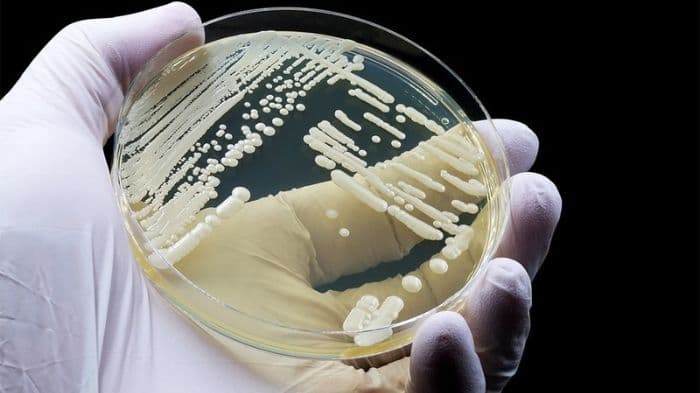
Scientists have discovered a previously unknown mechanism that allows Candida auris, a potentially deadly fungus associated with hospital infections, to survive antifungal treatment even when laboratory tests suggest the drugs should work.
The study, led by researchers from the University of Exeter and City St George’s, University of London, found that the fungus can produce multiple versions of its genome. This creates more opportunities for genetic mutations that may help it adapt to antifungal drugs and survive exposure to treatment.

Published in Nature Communications, the research identified changes involving a gene called CRZ1, also known as “Crazy-one”, which plays a role in maintaining the integrity of the fungal cell wall. The findings reveal a previously unrecognised way in which Candida auris can survive antifungal treatment, according to the research team.
The research was primarily funded by the Medical Research Council, with additional support from the NIHR Biomedical Research Centre at Exeter.
An unexpected discovery in the laboratory
The discovery began when researchers were investigating why antifungal drugs failed to eliminate Candida auris despite laboratory tests indicating that the fungus was susceptible to the treatment.
During the experiments, a researcher accidentally left laboratory plates containing fungal cells incubating for longer than planned. When the team returned, they found that some cells had continued to grow despite exposure to high concentrations of antifungal drugs.
Further investigation revealed that a small population of fungal cells had survived and continued growing over several days. The researchers found that these cells had developed multiple copies of their genome, allowing genetic changes to emerge that could help the fungus withstand treatment.
Dr Hugh Gifford, the study’s first author and a clinical lecturer at the University of Exeter’s MRC Centre for Medical Mycology, said the fungus posed a serious threat to patients in intensive care units.
Although Candida auris is rare in the general population, it can persist on patients’ skin and surrounding equipment and spread between people. If the infection enters the bloodstream of a vulnerable patient, the study’s authors cited a death rate of 45%.
Dr Sarah Murphy, a co-first author and former postdoctoral researcher at City St George’s, said the team had initially set out to understand why antifungal drugs were failing when laboratory tests suggested the treatment should be effective.
The unexpected survival of a small population of cells revealed a different mechanism through which the fungus could withstand treatment, she said.
Why the findings matter for hospitals
Candida auris was first described in 2008 and has since been reported in more than 60 countries, including the UK, according to the University of Exeter. The World Health Organization includes it on its critical priority list of fungal pathogens.
The fungus is particularly concerning in healthcare settings because it can persist on skin and surfaces, making outbreaks difficult to control. Patients who are critically ill or have weakened immune systems face a greater risk of serious infection.
The newly identified mechanism may help explain why some fungal cells survive treatment even when conventional susceptibility tests indicate that an antifungal drug should work.
The researchers said the findings could guide the development of new treatment approaches aimed at preventing the fungus from adapting and surviving.
However, the discovery does not itself provide a new treatment, and further research will be needed to establish how the mechanism can be targeted in clinical settings.
The team said the findings highlight the need to investigate new ways to treat infections and eliminate the fungus from hospitals.

Planning to study in Japan? Key changes to language certificates, tuition fees and student visas

Kenya university lecturers plan protests as strike threatens to last for months

International student enrolment at Atlantic Canada universities falls 48% since 2024

University of Tokyo appoints first woman president: Why Yuko Fujigaki’s selection has sparked debate

Candida auris develops new way to survive antifungal treatment, study finds
Planning to study in Japan? Key changes to language certificates, tuition fees and student visas

China prosecutes former Central South University president Zhang Yaoxue on bribery charges

ICFAI Hyderabad, Sheffield Hallam University sign MoU to strengthen research and academic collaboration

Hindu College protest puts governance, financial transparency and Delhi University's oversight under scrutiny

Ambedkar University Delhi protest: Attendance rules, campus restrictions and suspensions deepen standoff

Planning to study in Japan? Key changes to language certificates, tuition fees and student visas
Kenya university lecturers plan protests as strike threatens to last for months
International student enrolment at Atlantic Canada universities falls 48% since 2024
University of Tokyo appoints first woman president: Why Yuko Fujigaki’s selection has sparked debate
Candida auris develops new way to survive antifungal treatment, study finds
Planning to study in Japan? Key changes to language certificates, tuition fees and student visas
China prosecutes former Central South University president Zhang Yaoxue on bribery charges
ICFAI Hyderabad, Sheffield Hallam University sign MoU to strengthen research and academic collaboration
Hindu College protest puts governance, financial transparency and Delhi University's oversight under scrutiny
Ambedkar University Delhi protest: Attendance rules, campus restrictions and suspensions deepen standoff
Copyright© educationpost.in 2026 All Rights Reserved.