


A recent “Save the Children Japan” survey reveals rising facility charges, enrollment fees, uniform expenses and digital device costs continue to strain household budgets despite expanded government assistance.
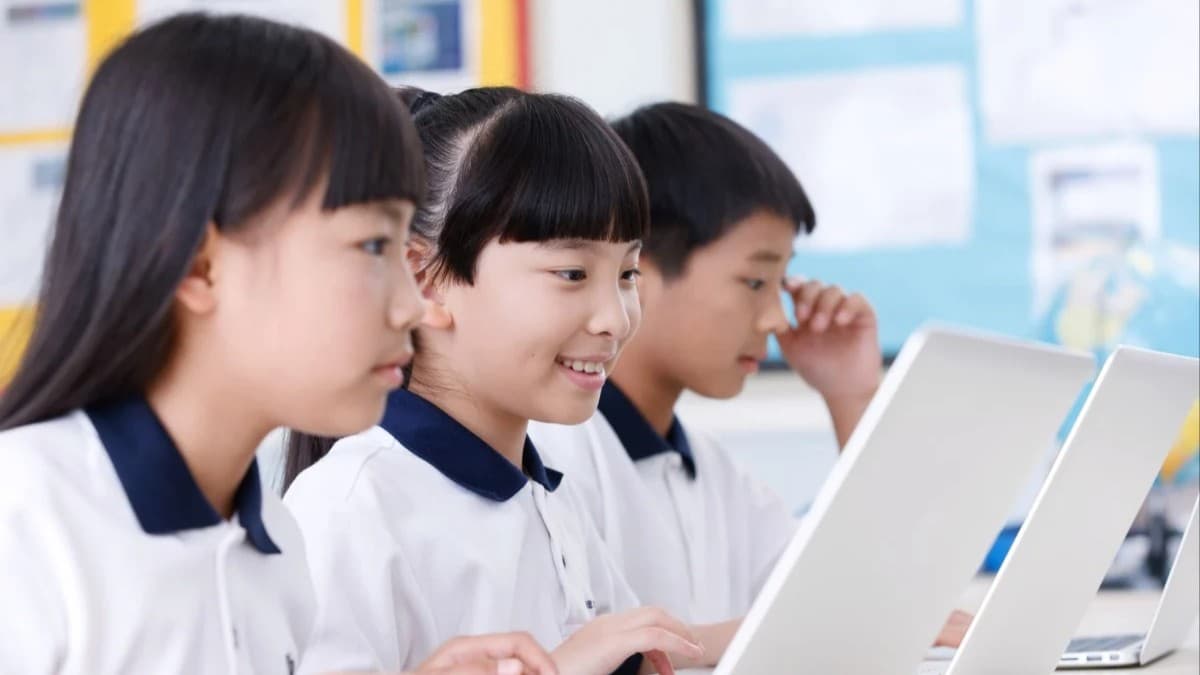
Japan's expansion of tuition subsidies for private high schools has not eased the overall financial burden on families, as additional school charges have risen sharply.
Facility fees paid by families enrolling students in private high schools in April nearly doubled from the previous academic year, according to a survey by nongovernmental organization “Save the Children Japan.”

According to Japan Today, the findings come from a survey conducted in May and June among students and their families, after the government expanded financial support for private high school tuition. The initiative was intended to reduce the cost of secondary education and make private schools more accessible to families.
However, the survey results, released last month, indicate that expenses beyond tuition continue to put pressure on household budgets. Average facility fees, which cover charges such as heating, cooling and maintenance, increased to approximately 147,000 yen ($932) from around 73,000 yen in the 2025 academic year.
The rise has raised concerns among parents about their ability to meet the recurring costs of private education. About half of the parents whose children entered private high schools said their children "may not be able to continue attending the school for financial reasons."
Private high school admission costs rise in Japan
Facility charges were not the only expenses that increased during the latest academic year. Families also faced higher enrollment fees, uniform costs and spending on digital devices required for students.
The average enrollment fee reached approximately 173,000 yen, marking an increase of about 27,000 yen compared with the previous academic year. Uniform expenses also climbed, with the average cost rising to 108,000 yen, up around 15,000 yen.
The cost of purchasing a computer or tablet averaged approximately 99,000 yen, representing an increase of about 8,000 yen from the previous academic year. These additional requirements have added to the financial commitments families must meet when admitting children to private high schools.
The survey also highlighted limited financial assistance for purchasing digital devices. Only 7.0% of private high schools provided public subsidies or grants to help families buy computers or tablets.
More than 60% of the students and parents who participated in the survey said they wanted schools to offer devices through leasing arrangements instead. Such an arrangement could reduce the immediate financial burden of purchasing computers and tablets required for academic activities.
Tuition subsidies fail to address wider education expenses
Save the Children Japan conducted the survey to examine the financial challenges associated with school admission and the expenses faced by families. Participants included students attending public and private middle and high schools, along with their families who were using the organization's grant program.
A total of 125 students and 425 parents responded to the survey, providing information about the costs involved in entering school and the financial difficulties associated with continuing education.
Although private high schools became eligible for government tuition subsidies in April, the findings indicate that reducing tuition alone has not removed the financial barriers to enrollment.
Around 27% of first-year high school students surveyed said they were concerned about expenses other than tuition. These additional costs had affected their school choices to the extent that they "could not consider a private school as an option."
The findings suggest that admission charges, facility maintenance fees, uniforms and digital learning requirements continue to influence decisions about private high school education, even when government assistance covers tuition.
Education expert calls for greater financial support
Shoko Fukushima, an associate professor of education at Chiba Institute of Technology who participated in the survey, said private schools have increasingly become a preferred choice for students, including those from families experiencing financial difficulties for various reasons.
She also highlighted the need for schools to explain increases in additional charges and ensure that parents understand why such expenses are necessary.
Regarding rising school expenses, she said, "While schools should have their reasons, such as to maintain the learning facilities amid rising prices, they need to provide explanations that parents can understand," adding that the national and local governments need to secure funding to subsidize schools for that purpose.
Her remarks point to the need for a broader approach to education affordability, beyond government assistance with tuition payments. While schools may require additional funding to maintain facilities and respond to rising operating costs, families also need transparency about the charges they are expected to pay.
The survey highlights the gap between tuition support and the overall cost of private high school education in Japan. It also raises questions about whether existing subsidies are sufficient to ensure that students from financially disadvantaged households can access and continue their preferred form of secondary education.

IIT Gandhinagar Researchers Develop Two Compounds That Show Promise Against Drug-Resistant Brain Cancer
Japan's Hokkaido University faces faculty exodus as funding cuts hit research environment

Satya School Gurugram Organises Annual Sports Day Satyan Spardha; Asian Games Double Medallist Ganesh Thirumuru Inspires Students

NCTE Forms Two Committees to Revise CTET, STET Eligibility Rules for ITEP Graduates
Why are Japanese families paying more for private high schools despite tuition subsidies?
Japan's Hokkaido University faces faculty exodus as funding cuts hit research environment
Why are Japanese families paying more for private high schools despite tuition subsidies?
China honors five scholars from four countries with global education research award
IIT Kanpur, BIT Mesra sign five-year agreement to strengthen academic and research collaboration
Why are India's leading universities slipping in QS Asia Rankings 2027 despite growing representation?

IIT Gandhinagar Researchers Develop Two Compounds That Show Promise Against Drug-Resistant Brain Cancer
Japan's Hokkaido University faces faculty exodus as funding cuts hit research environment
Satya School Gurugram Organises Annual Sports Day Satyan Spardha; Asian Games Double Medallist Ganesh Thirumuru Inspires Students
NCTE Forms Two Committees to Revise CTET, STET Eligibility Rules for ITEP Graduates
Why are Japanese families paying more for private high schools despite tuition subsidies?
Japan's Hokkaido University faces faculty exodus as funding cuts hit research environment
Why are Japanese families paying more for private high schools despite tuition subsidies?
China honors five scholars from four countries with global education research award
IIT Kanpur, BIT Mesra sign five-year agreement to strengthen academic and research collaboration
Why are India's leading universities slipping in QS Asia Rankings 2027 despite growing representation?
Copyright© educationpost.in 2026 All Rights Reserved.