


A review of more than 70 primary schools found none complied with the government’s healthy eating policy, raising concerns over children’s nutrition and obesity risks.
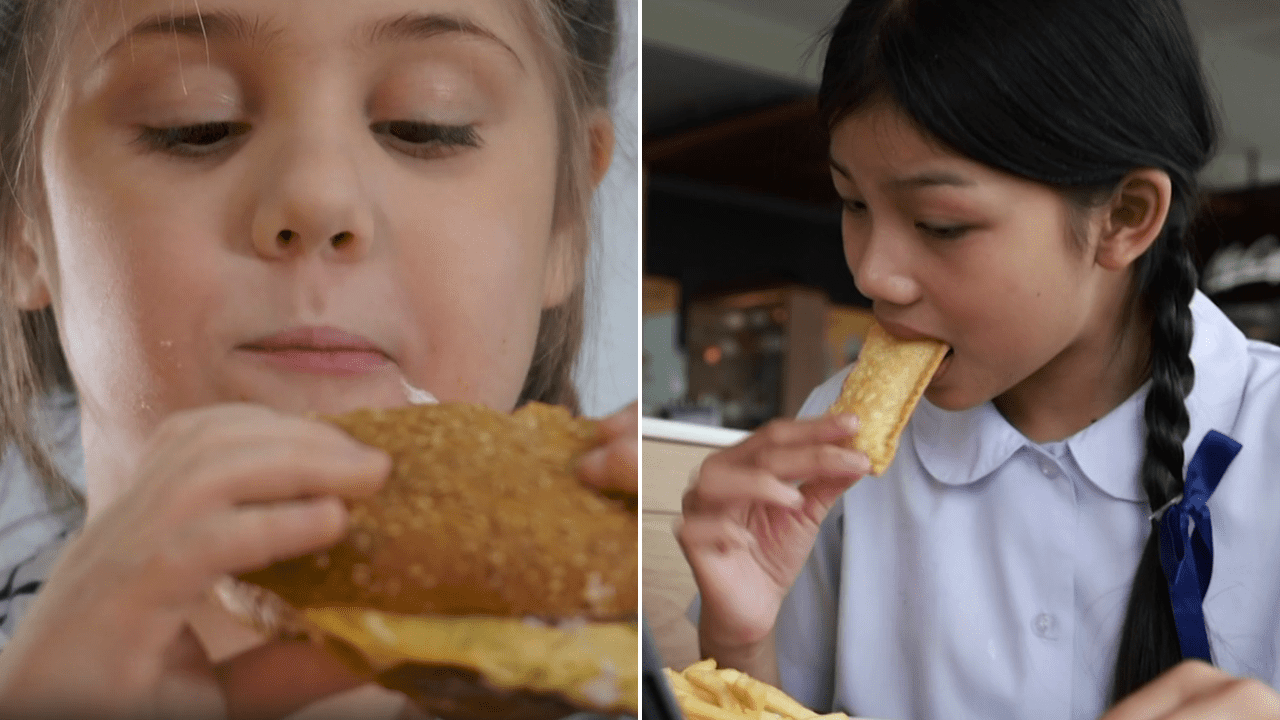
Thousands of Victorian primary schoolchildren could be consuming unhealthy food at school, with an investigation revealing widespread failures by canteens to meet the government’s mandatory healthy eating standards.
Food menus at more than 70 primary schools were analyzed across Melbourne and it was found that not a single canteen met the state government's healthy eating requirements, according to 7NEWS investigation. The assessment, conducted by accredited dietitian Rosalie Orr, gave every school an F grade, exposing the extent to which unhealthy and ultra-processed foods have found their way into school menus.

Under Victoria's healthy eating policy, school canteens must follow a traffic-light system that classifies food according to its nutritional value. Green foods, considered the healthiest options, must account for at least 50% of the menu. Amber foods are permitted in moderation, while red-category junk food should not feature on daily menus.
However, the investigation found that fewer than half of the schools, on average, met the minimum requirement for green food choices. Orr described the findings as concerning, stressing that the policy sets minimum standards that schools are expected to follow. “I think it’s quite concerning because it is a minimum standard to be met,” she said. She also warned that the growing availability of discretionary foods in school canteens could have lasting consequences for children's health.
“They’re actually promoting more discretionary foods within the school system and that’s going to create health issues for many people later in life,” Orr said. The gap between policy and practice was particularly evident in the performance of individual schools.
East Doncaster Primary emerged as the strongest performer, with 68% of its canteen food classified as healthy. In contrast, Research Primary had only 11% of its menu in the healthy category, while almost half of the food on offer was considered unsuitable for regular availability.
The findings have also raised questions about the confidence parents place in school food policies, particularly when they expect canteens to provide healthier alternatives for their children.
“Essentially they’re [parents] placing their trust in a government policy that isn’t being adhered to,” Orr said. Experts say the findings highlight a broader challenge in tackling childhood obesity, with school environments playing an important role in shaping children's eating habits.
Danielle Longmore from the Murdoch Children's Research Institute questioned why children were being left to navigate food choices in school canteens when healthier options should be the priority.
“It seems kind of baffling that children are left to make the decisions about what is healthy to eat,” she said. “I think it really needs to be called out.”she added.
The investigation has put the spotlight on the enforcement of Victoria's school food policy and the responsibility of authorities to ensure that nutritional standards are followed. Victorian Department of Education in a statement said school canteens should make nutritious food and drinks readily available to students. However, the department did not explain why the schools examined in the investigation were failing to meet the prescribed guidelines.
The findings raise a pressing question for parents and education authorities: if schools are expected to promote healthy eating, why are their canteens failing to meet the very standards designed to protect children's health?
Victorian school canteens fail health standards as junk food dominates menus
BPSC cancels recruitment advertisements for 1,711 Assistant Professor posts in Bihar medical colleges
IIT Kharagpur, Tripura join hands to boost higher education, research and innovation
CBSE Class 9 Curriculum 2026-27: CT and AI Modules Removed, Vocational Education Retained
Haryana Board Exam 2027: Class 10, 12 Registration Begins; Check Application Dates, Fees and Late Charges
The Future Belongs to Those Who Can Collaborate Intelligently with AI

Diljit Dosanjh Delhi Concert Today: Traffic Restrictions from 1 PM, Check Roads to Avoid, Metro Timings and Parking Details
Why Are Women Still Only 20% of IIT Admissions? JEE Advanced 2026 Data Explained

Google adds hundreds of free textbooks to Gemini Notebook for students in India and US

NBEMS opens NEET Super Specialty 2026 applications: Check eligibility, dates and registration steps

Victorian school canteens fail health standards as junk food dominates menus
BPSC cancels recruitment advertisements for 1,711 Assistant Professor posts in Bihar medical colleges
IIT Kharagpur, Tripura join hands to boost higher education, research and innovation
CBSE Class 9 Curriculum 2026-27: CT and AI Modules Removed, Vocational Education Retained
Haryana Board Exam 2027: Class 10, 12 Registration Begins; Check Application Dates, Fees and Late Charges
The Future Belongs to Those Who Can Collaborate Intelligently with AI
Diljit Dosanjh Delhi Concert Today: Traffic Restrictions from 1 PM, Check Roads to Avoid, Metro Timings and Parking Details
Why Are Women Still Only 20% of IIT Admissions? JEE Advanced 2026 Data Explained
Google adds hundreds of free textbooks to Gemini Notebook for students in India and US
NBEMS opens NEET Super Specialty 2026 applications: Check eligibility, dates and registration steps
Copyright© educationpost.in 2026 All Rights Reserved.