


The collection features OpenStax, Open Textbook Library and S Chand Publishing, allowing learners to generate cited answers, personalized study guides, practice quizzes and flashcards.
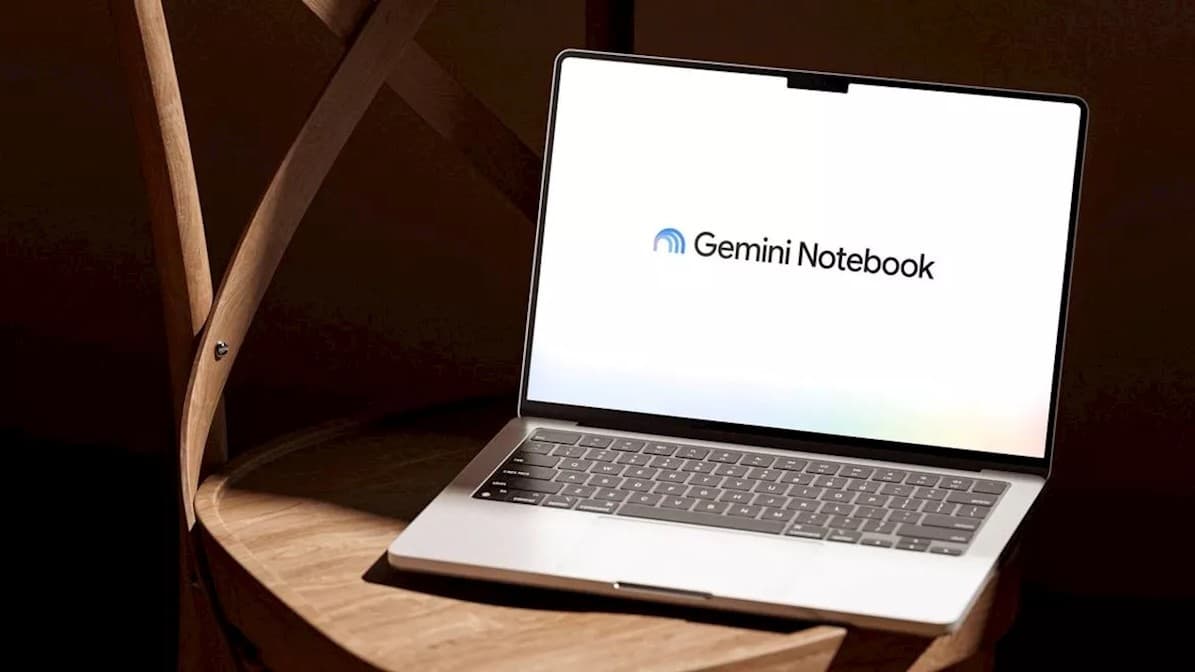
Students in India and the United States can now access hundreds of textbooks and course materials directly through Google's Gemini Notebook without paying additional charges, as the company expands its AI-powered learning resources.
The latest update brings educational content from publishers and learning platforms, including OpenStax, Open Textbook Library and India's S Chand Publishing, into the platform. Students can use these resources to explore academic subjects, ask questions about textbook content and create personalized study materials.

The feature allows learners to receive answers grounded in the selected textbooks, accompanied by inline citations and direct links to the original sources. This enables students to trace the information provided by the AI tool and refer to the relevant textbook material for verification.
In addition to answering questions, Gemini Notebook can convert textbook content into personalized study guides, practice quizzes, flashcards and other learning resources. These features are intended to help students revise academic topics, assess their understanding and prepare for examinations using materials drawn from their selected textbooks.
Google announced the expansion as part of its broader efforts to make trusted educational resources more accessible through artificial intelligence (AI) tools.
"Students can now access hundreds of textbooks from providers in the U.S. and India, including OpenStax, Open Textbook Library, and S Chand Publishing, right in Gemini Notebook at no charge. Once you add a textbook, every answer is grounded directly in the textbook, with inline citations and direct links back to the original source. Gemini Notebook also lets you transform textbook content into tailored study guides, practice quizzes, flashcards, and more," Google said.
Google Gemini Notebook: What's new for students?
The addition of textbooks expands the range of academic resources available within Google's AI-powered notebook platform. Students can access materials from educational publishers and providers in India and the US without having to purchase them separately through the platform.
The available collection includes textbooks from OpenStax, Open Textbook Library and S Chand Publishing. Once students add a book to their notebook, they can interact with its content by asking questions and seeking explanations related to specific topics.
One of the key features is the use of textbook-based responses supported by inline citations. Rather than receiving answers without a clear source, students can follow the citations and direct links to the original material to check the information provided.
The platform also offers tools to convert textbook chapters and other content into different learning formats. Students can generate personalized study guides, practice quizzes and flashcards based on the material they select.
These resources can support different stages of learning, from understanding difficult concepts to revising important topics and testing subject knowledge. The availability of multiple formats also gives students the flexibility to use the same textbook content for reading, practice and revision.
How to access free textbooks through Gemini Notebook
Students can browse and add the available textbooks directly from the source selection section within their notebooks. Google has provided a dedicated Textbooks option through which users can explore the catalogue and select relevant academic material.
The process involves the following steps:
Once a textbook has been added, students can use its content as a reference while interacting with the platform. They can also access citations and links that direct them to the original textbook sources.
Google said the textbooks are available at no additional cost. Students can therefore browse and add the available materials directly through Gemini Notebook without separately purchasing or uploading each textbook file.
Google expands Expert Intelligence initiative with textbook access
The latest textbook integration builds on Google's Expert Intelligence initiative, which was introduced last month as part of the company's broader effort to help users engage with trusted and expert-backed information through its AI products.
The initiative focuses on improving access to reliable sources and making it easier for users to work with information supported by relevant expertise.
Before the latest expansion, students could already add eligible e-books purchased through Google Play Books to their notebooks. The new addition extends this functionality by bringing hundreds of textbooks from educational providers and publishers in India and the United States into the available catalogue.
The expansion also changes how students can access and use academic material within the platform. Instead of relying only on general AI-generated responses or manually uploading individual textbook files, learners can now browse the available collection and work directly with selected educational resources.
For students, the integration brings textbook access, question-based learning and AI-supported revision tools together in one platform. The citation feature also allows them to verify responses against the original academic material, helping them distinguish textbook-based information from unsupported AI-generated answers.
With the addition of educational content from multiple providers, Google is expanding the role of Gemini Notebook as a learning resource for students looking to access academic material and create study aids through AI-powered tools.

Schools urged to make relationship education central to fight domestic violence in Australia

The Future Belongs to Those Who Can Collaborate Intelligently with AI

Diljit Dosanjh Delhi Concert Today: Traffic Restrictions from 1 PM, Check Roads to Avoid, Metro Timings and Parking Details

Why Are Women Still Only 20% of IIT Admissions? JEE Advanced 2026 Data Explained

Australia weighs screen time curbs and AI restrictions in schools
The Future Belongs to Those Who Can Collaborate Intelligently with AI
Diljit Dosanjh Delhi Concert Today: Traffic Restrictions from 1 PM, Check Roads to Avoid, Metro Timings and Parking Details
Why Are Women Still Only 20% of IIT Admissions? JEE Advanced 2026 Data Explained

Google adds hundreds of free textbooks to Gemini Notebook for students in India and US

NBEMS opens NEET Super Specialty 2026 applications: Check eligibility, dates and registration steps

Schools urged to make relationship education central to fight domestic violence in Australia
The Future Belongs to Those Who Can Collaborate Intelligently with AI
Diljit Dosanjh Delhi Concert Today: Traffic Restrictions from 1 PM, Check Roads to Avoid, Metro Timings and Parking Details
Why Are Women Still Only 20% of IIT Admissions? JEE Advanced 2026 Data Explained
Australia weighs screen time curbs and AI restrictions in schools
The Future Belongs to Those Who Can Collaborate Intelligently with AI
Diljit Dosanjh Delhi Concert Today: Traffic Restrictions from 1 PM, Check Roads to Avoid, Metro Timings and Parking Details
Why Are Women Still Only 20% of IIT Admissions? JEE Advanced 2026 Data Explained
Google adds hundreds of free textbooks to Gemini Notebook for students in India and US
NBEMS opens NEET Super Specialty 2026 applications: Check eligibility, dates and registration steps
Copyright© educationpost.in 2026 All Rights Reserved.