


Research involving four Gauteng schools finds near-peer mentoring helps learners build academic skills and prepare for the demands of higher education.
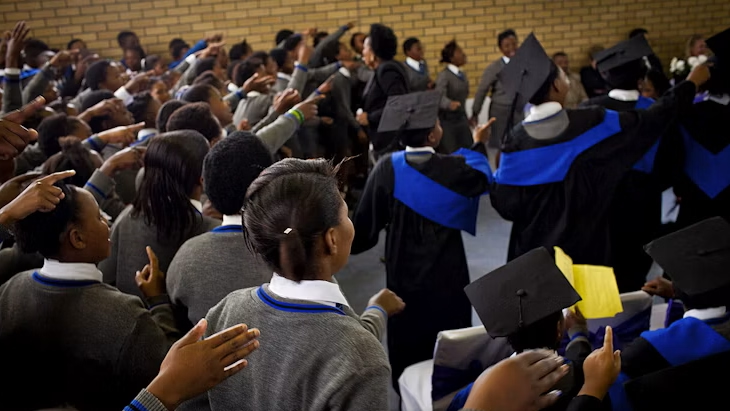
More than 345,000 Grade 12 learners in South Africa qualified for university admission in the 2025 school-leaving examinations, marking a record high. Yet securing university eligibility does not necessarily mean students are prepared for the academic and personal challenges of higher education.
A new study has found that early exposure to university-style learning and guidance from postgraduate mentors can help school pupils build confidence, strengthen research skills and become more independent learners.

The research, conducted across four secondary schools in Gauteng province, highlights how mentorship and research-based learning can help bridge the gap between school education and university expectations, particularly for pupils from under-resourced communities.
The findings come as South Africa looks for ways to improve the transition from secondary schooling to higher education, vocational training and employment.
Mentorship helps pupils find their academic voice
The study examined the AccessEd Scholars Programme, an initiative that introduces school pupils to the academic practices they are likely to encounter at university. Launched in South Africa in 2017, the programme works with pupils from underserved communities through research projects, academic writing, discussion and guidance from postgraduate university students.
Researchers analysed 100 pupil self-evaluations, 20 tutor feedback forms, feedback from six lead teachers, observations of six tutoring sessions and 50 pupil assignments.
The results pointed to three key benefits: greater confidence in learning, stronger engagement with university-level academic practices and the value of mentorship in making higher education feel more accessible.
In 73 of the 100 evaluation forms, pupils explicitly reported confidence in their learning. Observations of tutorial sessions also showed that learners who were initially hesitant increasingly began asking questions, sharing ideas and approaching academic tasks more independently.
The change matters because university readiness involves more than subject knowledge. Students are expected to question ideas, evaluate sources, construct arguments and manage unfamiliar academic tasks with greater independence.
For pupils with limited exposure to university life, these expectations can be particularly challenging.
Research assignments show promise
The pupils’ assignments offered further evidence of the academic skills they were developing. Researchers found that 78% of Grade 9 learners and 85% of Grade 12 learners demonstrated proficiency in research and integrating sources into their work.
The final assignments also showed evidence of argument development, critical thinking and engagement with different perspectives.
However, the study did not compare these assignments with equivalent work completed before the programme. The findings therefore indicate the skills pupils demonstrated at the end of the programme, rather than proving the extent of improvement attributable to it.
Postgraduate tutors played a role beyond explaining academic concepts. By working closely with pupils, they provided a window into university life and offered learners examples of people already navigating higher education.
Teachers and tutors reported that this contact helped demystify university study and made academic achievement appear more attainable.
Schools and universities urged to work together
The researchers recommend giving pupils earlier and sustained opportunities to engage in research, analytical writing, independent inquiry and academic discussion.
Universities could also strengthen partnerships with secondary schools and create structured opportunities for postgraduate students to mentor younger learners.
Such efforts would help make the transition to university a process that begins during schooling, rather than one pupils must navigate only after completing their final examinations.
The findings nevertheless have limitations. The research covered four urban and peri-urban schools in Gauteng and did not follow participants into university. It therefore cannot establish whether the observed benefits lead to better long-term academic outcomes.
Nor does the study suggest that every school must adopt the same programme. Instead, it highlights the broader value of exposing pupils to university-style learning before they enter higher education.
University readiness goes beyond pass rates
South Africa’s record number of university-qualified school leavers underlines the need to look beyond examination results when assessing educational progress.
While pass rates show how many learners meet the requirements for university admission, they do not reveal whether students have had enough opportunities to develop the confidence, research abilities and independent learning habits needed to succeed.
The study’s lead author, Lesedi Senamele Matlala, a senior lecturer and researcher in public policy, monitoring and evaluation at the University of Johannesburg, argues that stronger links between schools and universities could help address this gap.
Expanding such initiatives would require sustained funding and collaboration among schools, universities, government and other funders.
The central message is that preparing young people for university should begin well before they arrive on campus. With early academic exposure and meaningful mentorship, pupils can enter higher education better equipped to question, research, write and learn independently.
Bangladesh minister backs religious education to build moral generation
Bangladesh HSC results postponed to October 31 after venue change

Ghana University launches Japanese language course to deepen cultural ties
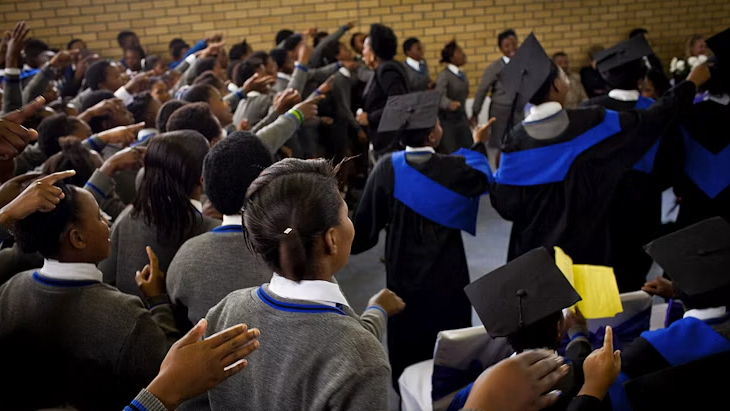
South Africa study finds university mentors boost school pupils’ confidence
NISM Partners with TrackWizz to Boost RegTech Education, AML Compliance and Market Surveillance
South Africa study finds university mentors boost school pupils’ confidence

The Most Persistent Weakness in India’s Engineering Education System Is the Gap Between Knowing and Doing

Study in Singapore 2027: Top Universities, Fees, Scholarships, Student Visa and Jobs for Indian Students

Study in Taiwan 2027: Top Universities, Fees, Scholarships, Student Visa and Jobs for Indian Students

Study in Hong Kong 2027: Top Universities, Fees, Scholarships, Visa and Career Opportunities for Indian Students

Bangladesh minister backs religious education to build moral generation
Bangladesh HSC results postponed to October 31 after venue change
Ghana University launches Japanese language course to deepen cultural ties
South Africa study finds university mentors boost school pupils’ confidence
NISM Partners with TrackWizz to Boost RegTech Education, AML Compliance and Market Surveillance
South Africa study finds university mentors boost school pupils’ confidence
The Most Persistent Weakness in India’s Engineering Education System Is the Gap Between Knowing and Doing
Study in Singapore 2027: Top Universities, Fees, Scholarships, Student Visa and Jobs for Indian Students
Study in Taiwan 2027: Top Universities, Fees, Scholarships, Student Visa and Jobs for Indian Students
Study in Hong Kong 2027: Top Universities, Fees, Scholarships, Visa and Career Opportunities for Indian Students
Copyright© educationpost.in 2026 All Rights Reserved.