


From admissions at the National University of Singapore and Nanyang Technological University to tuition fees, scholarships, visa requirements and post-study employment, here is what Indian students need to know before choosing Singapore for higher education
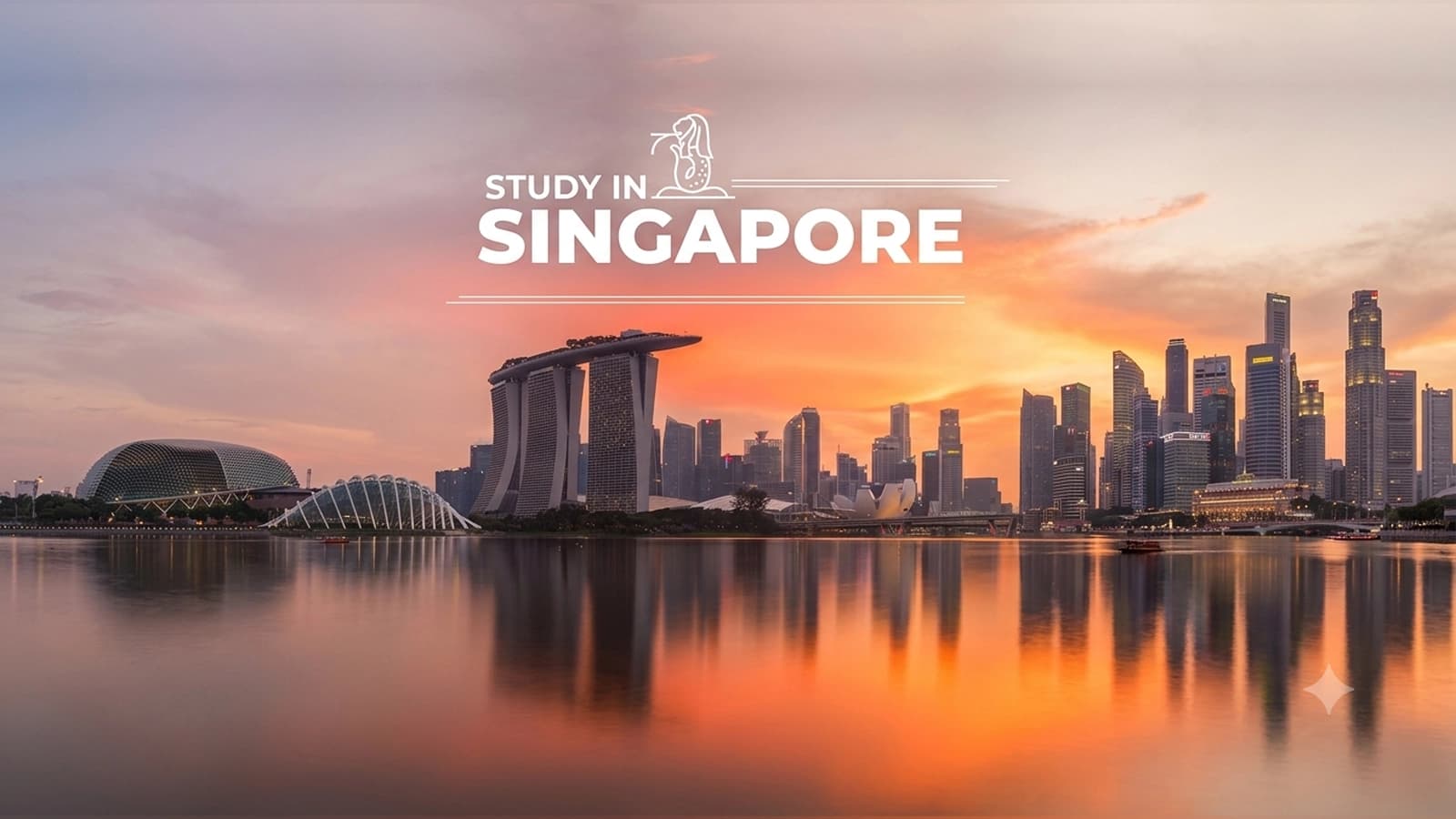
Representational Image
Singapore has become an attractive destination for Indian students seeking an international degree in Asia. Known for its universities, business environment and strong links with global industries, the country offers programmes in engineering, computer science, business, finance, life sciences and other fields.
However, studying in Singapore requires careful financial planning. Tuition fees vary considerably by university and course, scholarships are competitive, and international graduates do not automatically receive permission to work after completing their studies. Students should understand the admission process, visa rules and employment options before making a decision.

Singapore offers students access to an internationally connected education system, with English widely used as the language of instruction in its universities. Its location in Southeast Asia can also provide exposure to regional business, technology, finance and logistics markets.
For Indian students, Singapore may be worth considering for undergraduate degrees, master's programmes, MBAs and research opportunities. Popular fields include artificial intelligence, data science, computer engineering, finance, business analytics, biotechnology and supply chain management.
The right destination, however, depends on the student's chosen course, career plans, budget and eligibility not simply the university's reputation.
Students should compare universities based on their course curriculum, admission criteria, tuition fees, internship opportunities and graduate outcomes.
These institutions are options to investigate rather than a universal ranking. The best university for an Indian applicant will depend on the specific course and the student's academic profile.
Indian students can explore undergraduate, postgraduate and research programmes in several fields, including:
Admission requirements differ between universities and programmes. Applicants should check the relevant university's official website before preparing an application.
For undergraduate courses, Indian students generally apply using their Class 12 qualifications. Universities may assess board results, subject prerequisites, standardised tests or other supporting information, depending on the course and applicant category.
For postgraduate programmes, applicants typically need a recognised bachelor's degree. Certain courses may require relevant academic backgrounds, work experience, entrance tests, portfolios or interviews.
English-language test requirements also vary. IELTS, TOEFL or other recognised qualifications may be required in some cases, depending on the university's rules and the applicant's previous education.
Indian students planning to study in Singapore can follow these steps:
Step 1: Research universities and courses. Shortlist programmes according to academic interests, career plans, entry requirements and budget.
Step 2: Check application deadlines. Each university and course has its own application calendar. Some programmes have different deadlines or additional selection stages.
Step 3: Prepare documents. These may include academic transcripts, Class 10 and Class 12 results, degree certificates, a passport, recommendation letters, a statement of purpose and English-language test scores, where required.
Step 4: Submit the application. Apply through the university's official admissions portal and pay any applicable application fee.
Step 5: Complete further assessments. Some programmes may require interviews, tests, portfolios or additional documents.
Step 6: Review the offer and costs. Before accepting an offer, check the tuition fee, payment schedule, accommodation costs, scholarship conditions and any applicable service obligations.
Step 7: Arrange immigration formalities. After securing admission, follow the university's instructions for the Student's Pass and related requirements.
Students should apply early enough to meet both university deadlines and immigration timelines.
The cost of studying in Singapore depends on the university, degree, course length, accommodation and lifestyle. Students should not rely on a single average tuition figure when preparing their budget.
Applicants should check the current fee schedule for their exact programme and intake.
Accommodation is a major factor in the overall budget. University housing, shared accommodation and private rentals can have very different costs.
Some international students who accept a government tuition grant must agree to a service obligation. Applicants should read the grant conditions carefully before accepting subsidised fees.
Students searching for scholarships in Singapore for Indian students should explore university-funded awards, merit-based scholarships, research funding and other financial-aid options.
NUS, NTU, SMU and other institutions publish their own scholarship opportunities, eligibility criteria and application deadlines. Some awards are linked to academic performance, while others may consider leadership, extracurricular achievements, financial need or a combination of factors.
Scholarships may cover full or partial tuition and, depending on the award, may include additional allowances. Benefits and conditions differ, so students should not assume that every scholarship covers living expenses.
Applicants should check whether a scholarship requires a separate application, whether it is available to international students and whether accepting it creates any service obligation.
International students accepted into eligible full-time programmes generally need a Student's Pass issued by Singapore's Immigration and Checkpoints Authority (ICA), unless they qualify for an exemption.
For students admitted to Singapore's recognised institutes of higher learning, the application process is normally coordinated through the institution and ICA's online system. Students should follow the instructions provided after admission and apply within the relevant timeframe.
ICA states that applications for institutes of higher learning should generally be submitted at least two months and not more than three months before the course begins. Processing times can vary, and applicants should not treat approval as automatic.
After approval, students must complete the required formalities before the Student's Pass is issued. The In-Principle Approval letter and any entry-visa arrangements should be reviewed carefully.
A Student's Pass is different from an ordinary short-term visit visa. Students should use the official ICA Student's Pass guidance to confirm the requirements that apply to their institution.
Part-time work is possible only when the student and institution meet Singapore's rules.
Eligible full-time students at specified institutions may work without a separate work pass for up to 16 hours per week during term time, or undertake qualifying industrial attachments that form part of their course. Separate rules apply during scheduled vacations.
This permission does not apply automatically to every international student or private institution. Students must check the Ministry of Manpower's official list and conditions before accepting a job. Working without the required authorisation can lead to immigration consequences.
Students should also avoid relying on part-time earnings to cover all tuition and living costs. Work availability, wages and personal schedules are not guaranteed.
Singapore has employment opportunities in areas such as technology, finance, engineering, healthcare-related industries, logistics, research and business services. However, graduating from a Singapore university does not guarantee a job or a work visa.
After completing their studies, international graduates generally need the appropriate immigration status to remain and work. Employers must apply for the relevant work pass where required, and applicants must meet the prevailing eligibility criteria.
ICA also allows eligible graduates from specified institutes of higher learning to apply for a Long-Term Visit Pass to seek employment. This is an application-based route, not an automatic entitlement for every graduate. Applicants should check the list of eligible institutions and the current conditions on ICA's website.
Students should research employer demand, internship options, salary expectations and relevant work-pass requirements before choosing a course. Building professional networks and gaining relevant experience during the degree may help with the transition into employment.
Singapore may suit students who want an English-language learning environment, international exposure and access to Asian business and technology markets. But the decision should be based on more than university rankings or the expectation of a highpaying job.
Before applying, Indian students and parents should compare total programme costs, scholarship availability, accommodation, academic requirements and the rules governing part-time work and post-study stay. They should also compare Singapore with other destinations based on their intended profession and long-term plans.

The Most Persistent Weakness in India’s Engineering Education System Is the Gap Between Knowing and Doing
Study in India 2027: Top Universities, Courses, Fees, Scholarships and Career Opportunities
Study in Singapore 2027: Top Universities, Fees, Scholarships, Student Visa and Jobs for Indian Students

French education institutions face December deadline to retain apprenticeship-tax funding eligibility
From “write a thesis” to “build something”: IIT Ropar’s new PhD route
The Most Persistent Weakness in India’s Engineering Education System Is the Gap Between Knowing and Doing
Study in Singapore 2027: Top Universities, Fees, Scholarships, Student Visa and Jobs for Indian Students
Study in Taiwan 2027: Top Universities, Fees, Scholarships, Student Visa and Jobs for Indian Students
Study in Hong Kong 2027: Top Universities, Fees, Scholarships, Visa and Career Opportunities for Indian Students
Study in South Korea 2027: Top Universities, Fees, Scholarships, Visa and Career Opportunities for Indian Students

The Most Persistent Weakness in India’s Engineering Education System Is the Gap Between Knowing and Doing
Study in India 2027: Top Universities, Courses, Fees, Scholarships and Career Opportunities
Study in Singapore 2027: Top Universities, Fees, Scholarships, Student Visa and Jobs for Indian Students
French education institutions face December deadline to retain apprenticeship-tax funding eligibility
From “write a thesis” to “build something”: IIT Ropar’s new PhD route
The Most Persistent Weakness in India’s Engineering Education System Is the Gap Between Knowing and Doing
Study in Singapore 2027: Top Universities, Fees, Scholarships, Student Visa and Jobs for Indian Students
Study in Taiwan 2027: Top Universities, Fees, Scholarships, Student Visa and Jobs for Indian Students
Study in Hong Kong 2027: Top Universities, Fees, Scholarships, Visa and Career Opportunities for Indian Students
Study in South Korea 2027: Top Universities, Fees, Scholarships, Visa and Career Opportunities for Indian Students
Copyright© educationpost.in 2026 All Rights Reserved.