


Waitangi Tribunal finds schools were successfully integrating Māori language and culture into education, criticises government’s decision to remove the obligation and recommends a formal apology.
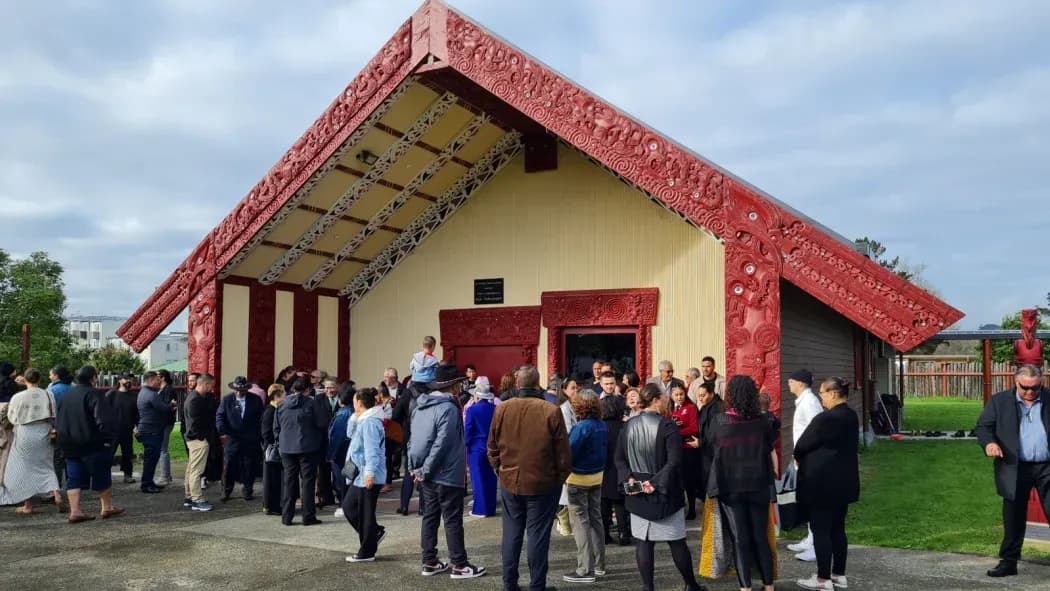
New Zealand’s Waitangi Tribunal recently found that schools were successfully fulfilling their obligations under Te Tiriti o Waitangi, the country’s founding treaty, before the government removed the statutory requirement, raising serious questions about the decision-making process behind the policy change.
In its findings, the Tribunal acknowledged that school boards had been making meaningful efforts to incorporate te reo Māori (Māori language), tikanga (Māori customs and practices) and mātauranga Māori (Māori knowledge) into school life to improve educational outcomes for Māori students. It also noted that the legal obligation had ensured Te Tiriti remained central to school boards’ decision-making and the setting of educational priorities.

The findings have been welcomed by PPTA Te Wehengarua, New Zealand’s secondary teachers’ union, whose Māori vice-president, Te Aomihia Taua-Glassie, described them as both affirming and deeply painful for educators. “Across Aotearoa, schools were breathing life into Te Tiriti. They were weaving te reo Māori, tikanga and mātauranga Māori through the life of their schools and holding the aspirations of ākonga Māori close in the decisions they made,” Taua-Glassie said.
She said schools had continued to demonstrate their commitment even after the statutory requirement was removed, with more than 1,800 schools standing together to affirm that they would continue honouring the treaty. The Tribunal was particularly critical of the Government’s justification for removing the obligation, describing its rationale as “flimsy at best” and “little short of a pretext”.
It further concluded that the Crown had removed the explicit treaty obligation opportunistically, taking advantage of a legislative process that allowed the change to pass through Parliament without public scrutiny. The Tribunal described the move as deliberate, raising concerns about the lack of consultation with Māori communities and the education sector.
For Taua-Glassie, the findings underline the sense of betrayal felt by educators who had worked to strengthen the relationship between schools and Māori communities. “Te Tiriti is a relationship. It asks something of all of us, but particularly of the Crown as a Treaty partner,” she said.
She added that educators were deeply concerned that such an important obligation had been removed without meaningful engagement with Māori or those working in education. The Tribunal found that the Crown had breached the principles of partnership, good government, active protection and equity. It has recommended that the government formally apologise to Māori and restore section 127(1)(d) in its entirety.
Taua-Glassie said schools had already made their position clear and urged the Government to use the Tribunal’s findings as an opportunity to repair the damage and reinstate the statutory provision. “Schools have already shown where they stand. Now the Crown has an opportunity to listen, to repair the harm that has been done, and to restore an obligation that was not failing our schools but helping them become places where Te Tiriti could be lived,” she said.
Wehengarua participated in the Tribunal proceedings as an interested party and presented evidence during the inquiry.

New Zealand regulator halts enrolments in Auckland institute’s management master’s programmes

New Zealand tribunal urges government to restore schools’ Treaty obligation

Mumbai Introduces AI-Powered Cameras to Stop Garbage Dumping in Public Places; BMC Plans Wider Surveillance

Schools urged to make relationship education central to fight domestic violence in Australia
The Future Belongs to Those Who Can Collaborate Intelligently with AI
The Future Belongs to Those Who Can Collaborate Intelligently with AI

Diljit Dosanjh Delhi Concert Today: Traffic Restrictions from 1 PM, Check Roads to Avoid, Metro Timings and Parking Details

Why Are Women Still Only 20% of IIT Admissions? JEE Advanced 2026 Data Explained

Google adds hundreds of free textbooks to Gemini Notebook for students in India and US

NBEMS opens NEET Super Specialty 2026 applications: Check eligibility, dates and registration steps

New Zealand regulator halts enrolments in Auckland institute’s management master’s programmes
New Zealand tribunal urges government to restore schools’ Treaty obligation
Mumbai Introduces AI-Powered Cameras to Stop Garbage Dumping in Public Places; BMC Plans Wider Surveillance
Schools urged to make relationship education central to fight domestic violence in Australia
The Future Belongs to Those Who Can Collaborate Intelligently with AI
The Future Belongs to Those Who Can Collaborate Intelligently with AI
Diljit Dosanjh Delhi Concert Today: Traffic Restrictions from 1 PM, Check Roads to Avoid, Metro Timings and Parking Details
Why Are Women Still Only 20% of IIT Admissions? JEE Advanced 2026 Data Explained
Google adds hundreds of free textbooks to Gemini Notebook for students in India and US
NBEMS opens NEET Super Specialty 2026 applications: Check eligibility, dates and registration steps
Copyright© educationpost.in 2026 All Rights Reserved.