


Advocates call for early intervention and mandatory relationship education as domestic violence deaths rise across Australia.
A growing number of domestic violence cases across New South Wales (NSW) have renewed calls for schools to play a stronger role in preventing abuse, with advocates urging the government to make relationship education a core part of the school curriculum.
With more than 60 women and children killed in domestic violence incidents this year, campaigners and frontline workers say prevention must begin much earlier, helping young people understand consent, personal boundaries and what healthy relationships look like. They argue that children should not be expected to develop these values on their own. Instead, schools must provide age-appropriate lessons that help them recognise controlling, abusive and harmful behaviour before such patterns become entrenched.

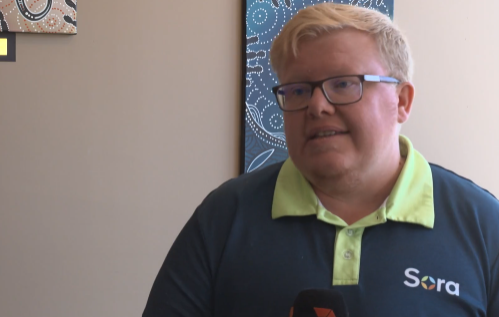
Although the NSW government already runs initiatives such as its Respectful Relationships Education programme, advocates want these lessons to move beyond individual initiatives and become a consistent part of everyday classroom learning. Youth support caseworker William Weller, who delivers the Love Bites programme for students aged 11 to 17 through SORA Community Services, says early education can equip young people with the knowledge to recognise and navigate relationships safely.
The programme covers healthy relationships, consent and the warning signs of harmful behaviour, preparing students for situations they may encounter as they grow older. Weller says young people need positive examples of relationships while growing up, stressing that healthy behaviour must be demonstrated as well as taught.
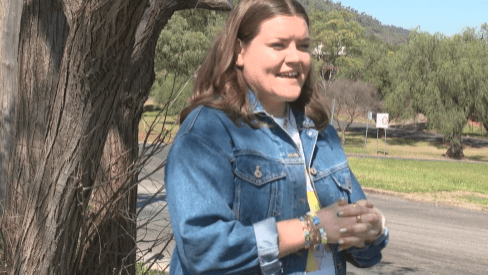
Domestic and sexual violence awareness advocate Madison Cooper says adults cannot assume that children naturally understand what makes a relationship safe and respectful. She emphasises the need to teach consent and boundaries from an early age, while ensuring adults themselves model the behaviour they expect young people to adopt.
“We as adults can’t expect that our young people know what a healthy and safe relationship looks like. We need to make sure that we as adults are showing that,” Cooper said.
Advocates say expanding such programmes will require stronger government support, sustained funding and a willingness to discuss domestic and family violence openly across schools, childcare centres and communities.
Domestic Violence NSW CEO Delia Donovan said tackling the crisis cannot be left to specialist organisations or frontline services alone.
“Every single person should be talking about this crisis,” Donovan said, calling for domestic and family violence prevention to become part of the responsibilities of school principals, childcare providers and institutions across society.
She argues that prevention strategies and policies must be embedded wherever people live, learn and work. NSW Premier Chris Minns has also acknowledged the government's responsibility, saying efforts must focus on changing community attitudes that treat domestic violence as a private family issue rather than a wider public concern.
“That includes changing the norms and behaviours in the community away from this suggestion that it’s a private family matter and not in the public interest,” Minns said. “This is on everybody” he added.
The scale of the challenge is also reflected in police demand. No To Violence CEO Phillip Ripper as quoted as saying by 7NEWS that police in NSW receive a domestic violence-related callout every three minutes. He cautioned that relying on police intervention after violence has occurred cannot provide a lasting solution.
“We can’t expect that police turning up at front doors is actually going to be a long-term solution to family violence,” Ripper said. “We actually have to stop it at the source and intervene far earlier.” he added.
For advocates and those working with young people, the message is clear: preventing domestic violence requires more than responding to abuse after it happens. It demands a sustained effort to shape attitudes, teach respect and equip the next generation to build safe and healthy relationships.
Schools urged to make relationship education central to fight domestic violence in Australia

The Future Belongs to Those Who Can Collaborate Intelligently with AI

Diljit Dosanjh Delhi Concert Today: Traffic Restrictions from 1 PM, Check Roads to Avoid, Metro Timings and Parking Details

Why Are Women Still Only 20% of IIT Admissions? JEE Advanced 2026 Data Explained

Australia weighs screen time curbs and AI restrictions in schools
The Future Belongs to Those Who Can Collaborate Intelligently with AI
Diljit Dosanjh Delhi Concert Today: Traffic Restrictions from 1 PM, Check Roads to Avoid, Metro Timings and Parking Details
Why Are Women Still Only 20% of IIT Admissions? JEE Advanced 2026 Data Explained

Google adds hundreds of free textbooks to Gemini Notebook for students in India and US

NBEMS opens NEET Super Specialty 2026 applications: Check eligibility, dates and registration steps

Schools urged to make relationship education central to fight domestic violence in Australia
The Future Belongs to Those Who Can Collaborate Intelligently with AI
Diljit Dosanjh Delhi Concert Today: Traffic Restrictions from 1 PM, Check Roads to Avoid, Metro Timings and Parking Details
Why Are Women Still Only 20% of IIT Admissions? JEE Advanced 2026 Data Explained
Australia weighs screen time curbs and AI restrictions in schools
The Future Belongs to Those Who Can Collaborate Intelligently with AI
Diljit Dosanjh Delhi Concert Today: Traffic Restrictions from 1 PM, Check Roads to Avoid, Metro Timings and Parking Details
Why Are Women Still Only 20% of IIT Admissions? JEE Advanced 2026 Data Explained
Google adds hundreds of free textbooks to Gemini Notebook for students in India and US
NBEMS opens NEET Super Specialty 2026 applications: Check eligibility, dates and registration steps
Copyright© educationpost.in 2026 All Rights Reserved.