


The Brihanmumbai Municipal Corporation has launched a pilot project in Mahim, where AI-enabled cameras detect movement near garbage hotspots and issue instant audio warnings. The initiative aims to discourage littering and improve cleanliness across the city.
Mumbai AI Cameras to Stop Garbage Dumping
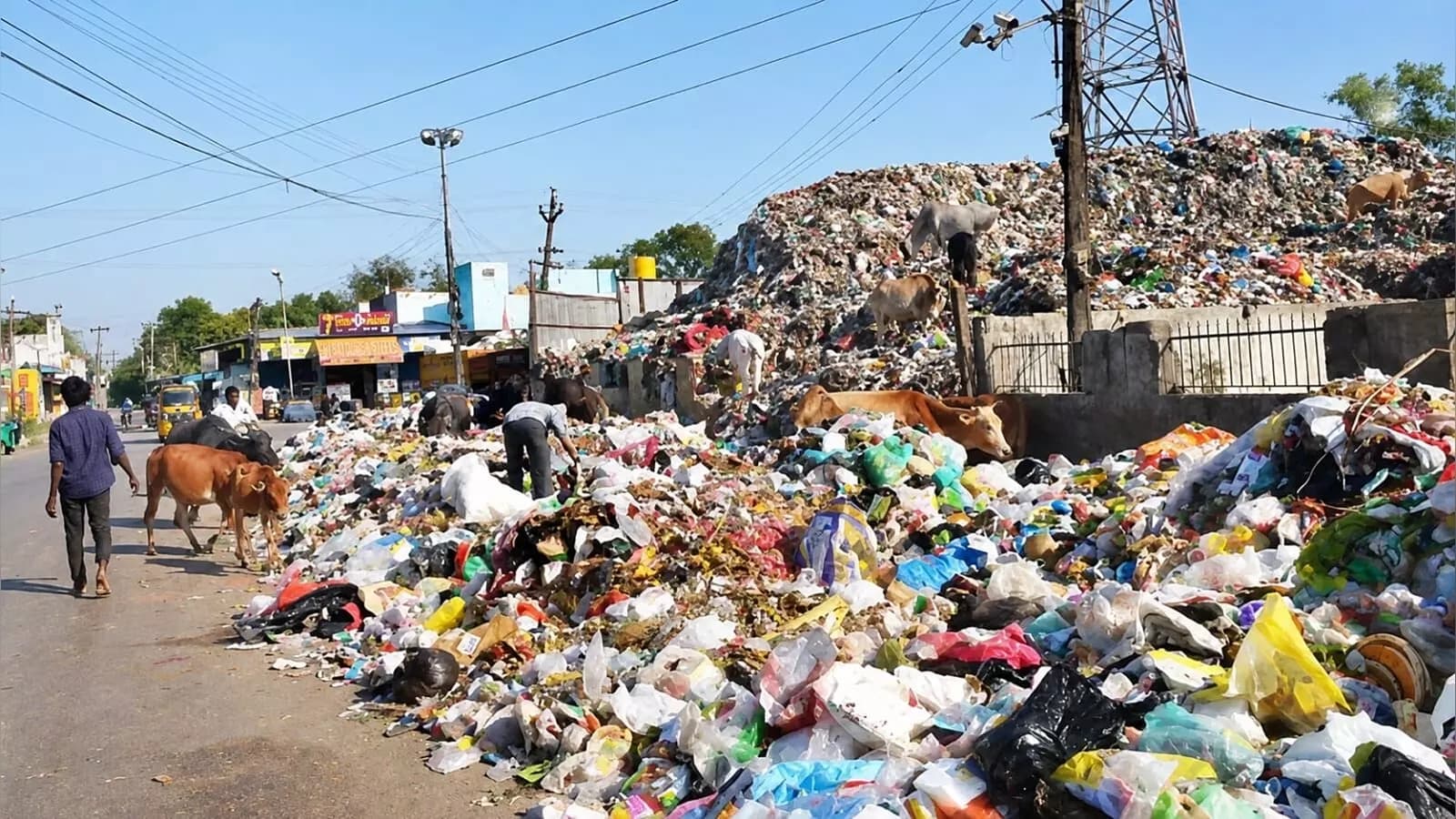
Mumbai is turning to artificial intelligence to tackle one of its persistent civic problems: open garbage dumping. The Brihanmumbai Municipal Corporation (BMC) has installed an AI-powered surveillance camera at Gajanan Vatika in Mahim to discourage people from throwing waste in public spaces.
The initiative, launched by the BMC's G/North ward, is currently being tested as a pilot project. The camera is equipped with a loudspeaker that issues an automated warning whenever it detects movement near the identified garbage-dumping location. The announcement appeals to people to maintain cleanliness and avoid disposing of waste in open areas. The civic body hopes that immediate warnings will discourage littering and prevent cleared locations from turning into garbage dumping grounds again.

How Will Mumbai's AI Garbage Monitoring System Work?
The AI-enabled camera is designed to identify movement near locations where garbage is frequently dumped. When someone approaches the monitored area, the system triggers an audio announcement through its connected loudspeaker. The warning informs individuals that dumping garbage in public spaces is prohibited and encourages them to dispose of waste responsibly.
According to reports, the system is intended to discourage offenders through real-time monitoring. However, the camera does not independently issue fines. Further enforcement action requires intervention by municipal authorities. The Mahim installation is part of the BMC's broader efforts to use technology to improve waste management and monitor locations that repeatedly experience illegal dumping.
Mumbai Has 286 Garbage-Vulnerable Points
The initiative comes against the backdrop of Mumbai's growing waste management challenges. The city has identified 286 Garbage Vulnerable Points (GVPs), where waste frequently accumulates because of repeated dumping. Mumbai generates more than 7,000 metric tonnes of municipal solid waste every day. A considerable amount of waste is collected from these vulnerable locations.
Such dumping spots are commonly found near markets, crowded public areas and informal settlements. Accumulated garbage can attract pests, produce foul smells and create sanitation and public health concerns. Among the wards with the highest number of identified garbage-vulnerable points are R-South, with 28 locations, followed by M-East, M-West and G-North, with 23 locations each.
BMC's Wider Plan to Eliminate Garbage Hotspots
The AI camera project is not the civic body's first attempt to address recurring garbage accumulation. The BMC has already installed conventional CCTV cameras at several garbage-vulnerable points to monitor dumping activities. Surveillance cameras have been deployed across 134 locations, while 102 chronic dumping sites have reportedly been eliminated through monitoring and improvements in waste collection services.
The civic body's broader strategy includes installing surveillance systems, increasing garbage collection services and conducting public awareness campaigns. The effectiveness of the AI-powered camera in Mahim will help determine whether similar technology can be introduced at other locations across Mumbai.
Can AI Cameras Solve Mumbai's Garbage Problem?
While technology-based monitoring could discourage people from dumping waste, questions remain about whether surveillance alone can address the city's sanitation challenges. A Mid-Day report published on October 30 raised concerns about the accuracy of the pilot system. During a field visit, the publication found that the audio warning could be triggered even when someone simply walked through the monitored area without carrying garbage.
The report also highlighted concerns about loud announcements, delayed garbage collection and people potentially shifting waste disposal to nearby locations. These observations point to a larger issue: preventing open dumping requires more than surveillance. Regular garbage collection, accessible waste disposal facilities, public participation and effective enforcement are equally important.

New Zealand regulator halts enrolments in Auckland institute’s management master’s programmes

New Zealand tribunal urges government to restore schools’ Treaty obligation
Mumbai Introduces AI-Powered Cameras to Stop Garbage Dumping in Public Places; BMC Plans Wider Surveillance

Schools urged to make relationship education central to fight domestic violence in Australia

The Future Belongs to Those Who Can Collaborate Intelligently with AI
The Future Belongs to Those Who Can Collaborate Intelligently with AI

Diljit Dosanjh Delhi Concert Today: Traffic Restrictions from 1 PM, Check Roads to Avoid, Metro Timings and Parking Details
Why Are Women Still Only 20% of IIT Admissions? JEE Advanced 2026 Data Explained

Google adds hundreds of free textbooks to Gemini Notebook for students in India and US

NBEMS opens NEET Super Specialty 2026 applications: Check eligibility, dates and registration steps

New Zealand regulator halts enrolments in Auckland institute’s management master’s programmes
New Zealand tribunal urges government to restore schools’ Treaty obligation
Mumbai Introduces AI-Powered Cameras to Stop Garbage Dumping in Public Places; BMC Plans Wider Surveillance
Schools urged to make relationship education central to fight domestic violence in Australia
The Future Belongs to Those Who Can Collaborate Intelligently with AI
The Future Belongs to Those Who Can Collaborate Intelligently with AI
Diljit Dosanjh Delhi Concert Today: Traffic Restrictions from 1 PM, Check Roads to Avoid, Metro Timings and Parking Details
Why Are Women Still Only 20% of IIT Admissions? JEE Advanced 2026 Data Explained
Google adds hundreds of free textbooks to Gemini Notebook for students in India and US
NBEMS opens NEET Super Specialty 2026 applications: Check eligibility, dates and registration steps
Copyright© educationpost.in 2026 All Rights Reserved.