
Burnham’s EU deal sparks backlash as universities fear £500m funding blow
British universities warn of a financial crisis over proposed tuition fee cuts for EU students as Conservatives accuse the government of risking higher household energy and fuel bills.
Written by: Amin Masoodi4 Min Read · Updated:
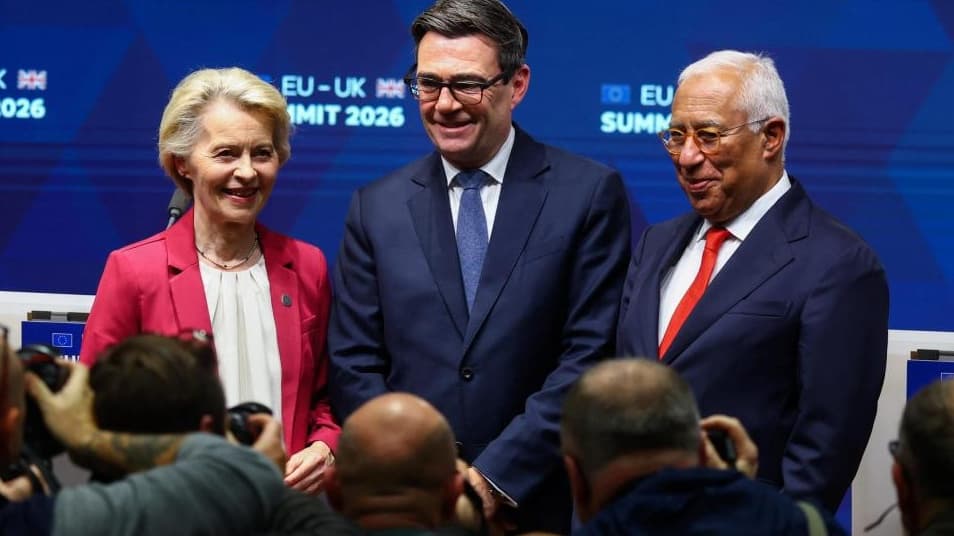
The UK Government’s latest agreement with the European Union has triggered criticism from opposition politicians and university leaders, with concerns mounting over its potential impact on household finances and higher education funding.
Prime Minister Andy Burnham has defended the agreement, insisting it will benefit ordinary people by reducing business costs, easing food trade and strengthening economic ties with Europe. However, the Conservatives have warned that closer alignment with the EU’s carbon emissions trading system could push up already high household energy and fuel bills.
Universities, meanwhile, are raising concerns over a separate but closely linked dispute involving tuition fees for European students. EU officials want students from member states studying in Britain to pay the same fees as domestic undergraduates, rather than the substantially higher international rates currently charged by many institutions.
The proposal has alarmed university leaders, who warn that reducing fees without government compensation could leave the higher education sector facing a substantial funding shortfall. The disagreement has become a significant challenge to the wider UK-EU agreement, with both sides given six months to resolve the tuition fee issue. The European side has indicated that implementation of the broader package could be jeopardised if the dispute remains unresolved, although the British Government maintains that the arrangements are separate.
The legislation underpinning the agreement, described as the Cutting Costs Bill, is due to be formally introduced in Parliament on Thursday. European relations minister Hamish Falconer said the government wanted to translate the Brussels agreement into tangible benefits for people across Britain.
"Now that we have secured the deal, our priority is to start delivering its benefits across every part of the UK," he said. He added that British businesses had long called for the removal of Brexit-related paperwork and measures to ease pressure on food prices. The proposed legislation, he said, would allow Britain to align with EU standards, remove unnecessary checks and bureaucracy, and create better conditions for economic growth.
Universities warn of financial consequences
University leaders have cautioned that any reduction in tuition fees for EU students must be accompanied by a clear funding arrangement to prevent institutions from bearing the financial burden.
Professor Dame Sally Mapstone, vice-chancellor of the University of St Andrews, warned that failing to address the financial implications could have serious unintended consequences for British higher education. She urged the government to use the six-month negotiating period to develop practical solutions rather than treating the issue solely as a political consideration.
While welcoming the prospect of closer educational ties and greater access for European students, Mapstone said the actual cost of educating them remained a major concern. St Andrews estimates that educating each student costs approximately £15,000 annually, she said, warning that the financial realities of the proposal could not be overlooked.
University of Manchester vice-chancellor Professor Duncan Ivison also backed closer relations between Britain and Europe but stressed that the tuition fee question required urgent attention. He estimated that without compensation or additional government funding, aligning fees for EU students with domestic rates could remove around £500 million from the higher education sector.
Such a loss would come at a particularly difficult time for universities already facing considerable financial pressure, he warned. Ivison also raised concerns about the potential impact on student admissions, saying institutions might not be able to expand the number of available places to accommodate additional demand.
Conservatives warn of rising household bills
The agreement has also come under fire from the Conservative Party, which claims that linking Britain's emissions trading system with the EU could increase the cost of fuel and domestic energy.
According to estimates cited by the party, higher petrol and diesel prices could add approximately £6 to the cost of filling a Volkswagen Polo, translating into an additional £156 annually. Households consuming around 15,000 kWh of gas a year, typically larger homes, could face an estimated £125 increase in annual bills, the Conservatives claimed.
Shadow energy secretary Andrew Bowie accused the government of accepting an arrangement that could allow Brussels to influence British household costs. "Labour is signing Britain up to an agreement that could allow Brussels to drive up household bills, while making people pay for it," he said. Arguing that affordable energy should remain a priority, Bowie said carbon taxes and levies imposed through closer alignment with the EU would put further pressure on consumers. He also pledged that the Conservatives would withdraw Britain from the EU's carbon trading scheme if they returned to government.
The government, however, maintains that the agreement will deliver substantial economic benefits. The emissions trading arrangement, expected to take effect in 2028, is projected to generate around £3.8 billion annually for the UK economy by 2040 by protecting exports to the EU from carbon-related border taxes. The broader package also seeks to reduce trade barriers and simplify the movement of food and agricultural products between Britain and the EU. Burnham has continued diplomatic engagement with European leaders, holding talks with Dutch Prime Minister Rob Jetten after the Brussels summit.
A Downing Street spokesperson said Burnham had thanked the Dutch leader for his support in securing what the government described as a mutually beneficial agreement. The Prime Minister, the spokesperson added, believed the collaborative approach adopted during negotiations would deliver tangible benefits to ordinary people across Britain and Europe.
With the tuition fee dispute still unresolved and concerns over energy costs intensifying, the agreement now faces scrutiny over whether its promised economic gains can be delivered without placing additional financial pressure on universities and households.
Also read