
NZ students weigh resit option after NCEA English exam disruption
Teachers question the quality of the replacement paper as students weigh another attempt after repeated digital failures.
Written by: Amin Masoodi · Updated:
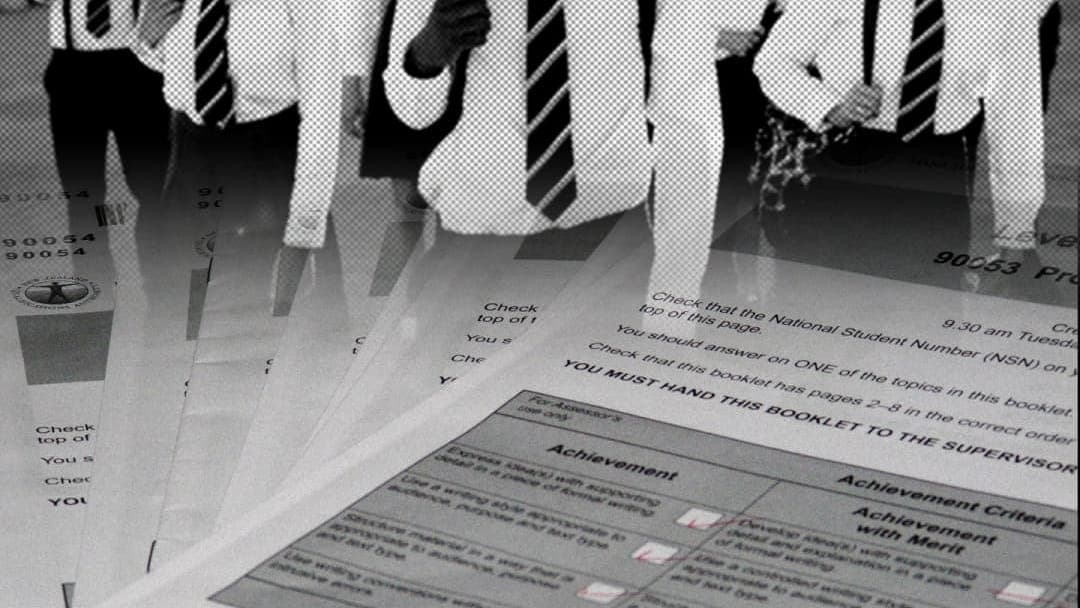
New Zealand high school students affected by last week's technical disruption to the NCEA Level 2 English examination are weighing whether to sit a replacement test, as concerns mount over the quality of the new paper and the pressure another examination could place on candidates.
The New Zealand Qualifications Authority (NZQA) has announced an additional examination on December 4, giving affected students an opportunity to improve their results after online glitches disrupted the original test.
However, the replacement examination will be conducted entirely on paper, while questions have also emerged over how a new assessment can be prepared to the required standard in such a short period. The New Zealand Association for the Teaching of English (NZATE) has expressed concern about the compressed preparation timeline, with its president, Pip Tinning, questioning whether the replacement paper would meet the expected standards.
NZQA chief executive Christian Hawkesby acknowledged that preparing an examination normally takes around 18 months, but said the authority was now working to complete the process in approximately 10 days. He said the decision to offer another examination followed an analysis that established students had been adversely affected by the technical disruption. Morning Report quoted Tinning as saying that NZQA might have had alternative examination papers available, but the authority needed to explain how the replacement assessment had been selected and prepared.
She questioned whether the papers now being considered were originally rejected options or assessments already developed as backups. "If they have back-ups in place and they're now using those, are those the rejects that they didn't want to use in the first place?" she asked. Tinning said she hoped NZQA had immediately begun preparing an alternative examination when the disruption occurred, rather than waiting until the situation escalated. The latest announcement comes against the backdrop of another, separate technical problem earlier this week, prompting NZQA to commission an independent review of its examination systems.
For teachers, the repeated failures have raised broader questions about the reliability of digital examinations and the authority's ability to manage large-scale online assessments. Tinning said the independent investigation must be transparent, with its recommendations fully implemented, if confidence in the system is to be restored.
She also called for clarity about the underlying causes of the failures, particularly whether the disruptions were linked to system capacity or other technical weaknesses. "It'd be interesting to know whether it was a capacity issue, whether there was some technical glitch that meant it went down when we had too many students on. Just knowing what on earth is going on would be really helpful," she said.
Tinning warned that the repeated disruptions could leave teachers increasingly reluctant to trust online examinations. She feared educators might eventually conclude that digital assessments were too unreliable to continue using. "Do we have to go back to pen and paper in 2027? In 2027, can you imagine," she said. The stakes are particularly high for Level 2 English candidates, as the qualification contributes to University Entrance literacy requirements for some students.
Although Tinning acknowledged that offering a replacement examination was probably the only practical response to the disruption, she said the situation had placed an unnecessary additional burden on students already dealing with examination pressures.
NZQA races to prepare replacement paper
Hawkesby said preparations for the December 4 examination were being undertaken with "both pace and care".
In a statement, he said the replacement test would use an examination paper that had been under development for 2027 and had already gone through NZQA's usual preparation process."The exam will use the paper which was in development for 2027. This has been prepared through our usual process, and we are moving through the final steps so that it will be available for students," he said.
Schools have been asked to notify NZQA of the expected number of candidates by next Wednesday to allow sufficient time for examination rooms and support staff to be arranged. Hawkesby acknowledged the short notice but said the authority needed accurate estimates to ensure the additional examination could be properly administered.
He also confirmed that NZQA would undertake a full independent review, with its key findings to be made public.
Students divided over another examination
For students whose examination experience was abruptly interrupted, the offer of another opportunity has brought both relief and uncertainty.
Year 12 student Molly Rogers said she was deeply upset after reaching the end of her English examination only to watch her work disappear because of the technical failure. She described the frustration of having to leave the examination behind and immediately move on to another subject. "I just kind of, you know, hit your hands on the desk and you just have to get up and move on to the next subject," she said.
However, the prospect of writing the entire examination again, this time on paper, has left her hesitant. Rogers said composing a full essay by hand could be particularly difficult for students who were more comfortable typing their answers. She said she would consider the offer but wanted to be certain that another attempt could genuinely improve her result."I'll definitely think about it, but there's probably no point if it's not going to help me get a better grade," she said.
NZQA has assured students that they will receive the best available result from their original examination, the replacement test or the derived grade process. This means candidates will not be disadvantaged by choosing to sit the additional examination. Another Year 12 student from a North Island school, who requested anonymity, welcomed the opportunity to improve his English result, despite reservations about returning to handwritten examinations. He said a paper-based test was not ideal, but at least it offered an alternative to a digital system that had repeatedly failed. "At least with the hand stuff, it won't be lost," he said.
The student said he was willing to extend his examination period by around two weeks if it meant having another chance to secure a better grade. He also suggested that students should be given the option of sitting examinations on paper as a safeguard against future technical disruptions. While he would have preferred not to face another examination, he said the opportunity to rectify the situation was worth taking. "At least I'm given an opportunity to fix what happened. Like, I prefer that I didn't have to do it, but I mean as we've just seen with the breakdowns, we can't live in a perfect world, unfortunately," he said.
For students, the decision now comes down to whether another examination offers a realistic chance of a better result or simply prolongs an already stressful assessment period. For teachers and education authorities, however, the wider challenge is rebuilding confidence in a digital examination system whose repeated failures have left serious questions unanswered.
Also read