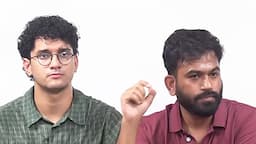
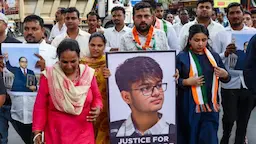
The Supreme Court on Aug 20 constituted a five-member High-Powered Enquiry Committee to examine allegations of excessive and disproportionate use of force by police, paramilitary forces and other security personnel during student protests over the NEET paper leak and examination-related issues.
The committee will be headed by former Supreme Court judge Justice R. Subhash Reddy. Its other members are former Punjab and Haryana High Court Chief Justice Ravi Shankar Jha, former Delhi High Court judge Justice Shalinder Kaur, former CBI Director Rishi Kumar Shukla and retired Meghalaya Director General of Police L.R. Bishnoi.

The panel will examine the allegations surrounding police action against protesters at Jantar Mantar in Delhi and at other locations. Its terms of reference include allegations involving pellet guns, electric batons, lathi charges and tear gas, as well as whether crowd-control measures were proportionate to the situation.
The committee will also examine allegations of violence, harassment and molestation involving women protesters. The Supreme Court has directed that such allegations, particularly those concerning female protesters, be treated as a priority. It will also look into serious injuries allegedly suffered by protesters during police action, along with medical assistance and possible compensation for victims.
The inquiry will not be limited to allegations against the security forces. The committee will also consider claims by authorities of violence by protesters against police personnel and damage to public property.
The Supreme Court said the committee's work would not be a one-time exercise. It directed the panel to undertake continuous and periodic assessment and submit interim findings periodically.
The court has also directed authorities to preserve evidence related to the protests, including CCTV footage, drone recordings, body-worn camera footage, videography, wireless communication records and PCR call logs. The material is to be made available to the committee for its inquiry.
The panel will further examine allegations of surveillance of protesters and whether such monitoring was consistent with constitutional rights to privacy and peaceful assembly. The court also said the need for police and security personnel to wear uniforms and visible nameplates during arrests or crowd-control operations could be considered to improve identification and accountability.
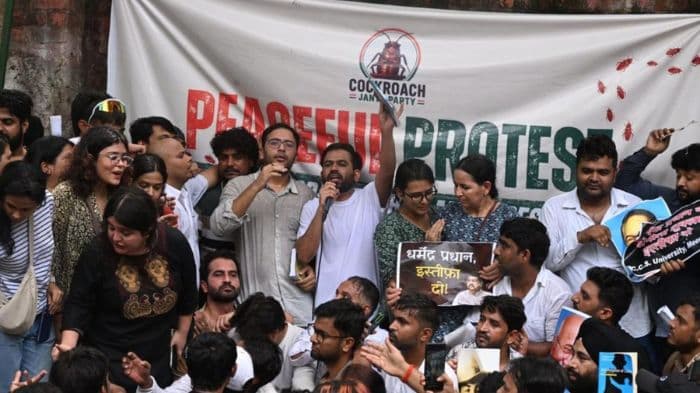
The protests at the centre of the petitions included a July 20 march towards Parliament by students led by the Cockroach Janata Party, who were demanding, among other things, the resignation of Union Education Minister Dharmendra Pradhan over the alleged NEET paper leak.
Police used tear gas and batons during the protest, while authorities maintained that force was used after sections of the crowd allegedly became violent.
The Supreme Court had earlier indicated that the allegations made by both sides warranted an independent examination. The latest order formally establishes the five-member panel and sets out the issues it will examine.
The committee's inquiry does not prevent competent authorities from taking administrative or disciplinary action against police personnel if they are found to have violated applicable rules, the court clarified.




.avif&w=256&q=75)