


The initiative gives students practical exposure to designing and programming robots, solving real-world engineering challenges, collaborating in teams and developing problem-solving abilities valued by employers.
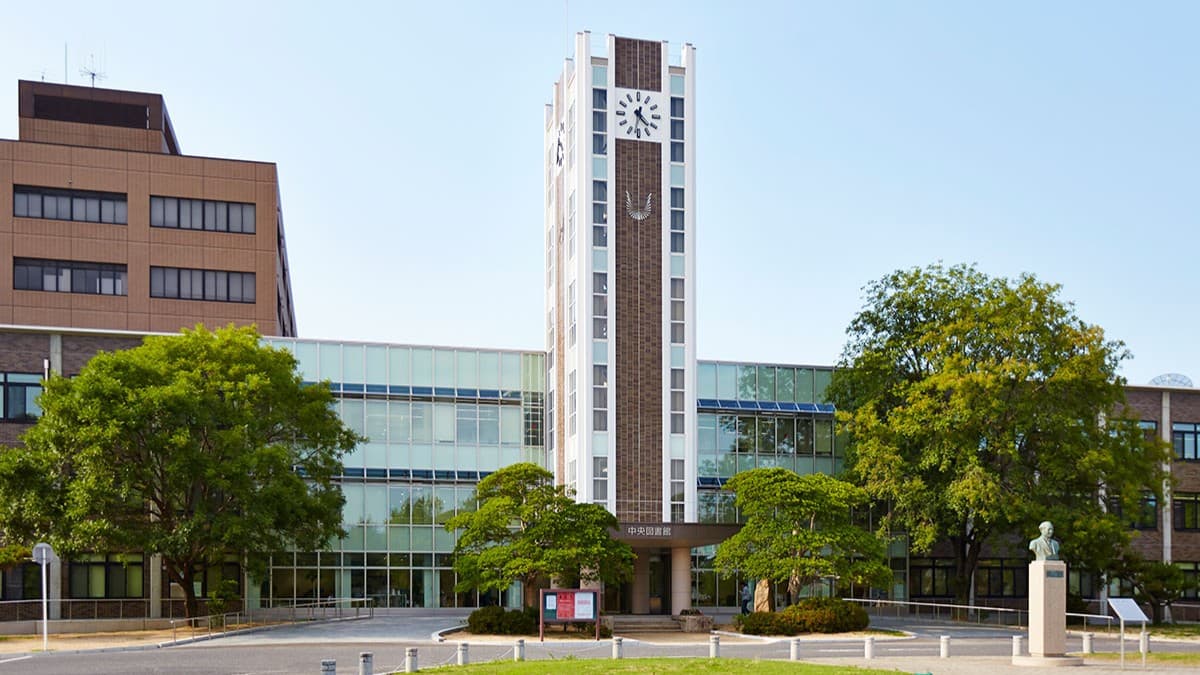
Robotics competitions are becoming an important part of engineering education at Okayama University of Science (OUS) in Japan, where students learn to apply technical knowledge while developing teamwork, problem-solving and professional skills.
For more than 15 years, the university has incorporated robotics competitions into its engineering curriculum through a creative Project-Based Learning (PBL) approach. Students work in teams to design and build robots, overcome technical challenges and complete projects within fixed deadlines.

The learning model is designed to prepare students for professional environments by exposing them to situations that require collaboration, adaptability and practical decision-making. From working with unfamiliar classmates to resolving unexpected engineering problems, students gain experience that extends beyond conventional classroom instruction.
The university's approach received recognition through a 2024 Engineering Education Award from the Japanese Society for Engineering Education (JSEE).
The award was presented in the Achievements category during the 29th Engineering Education Awards ceremony on August 27, 2025. The ceremony took place at Kyoto University as part of JSEE's annual conference.
Professor Tetsuya Akagi accepted the award on behalf of the Faculty of Information Science and Engineering at OUS. The recognition marked the university's first Engineering Education Award.
Robotics competitions introduced from the first year
OUS has integrated robotics competitions into its engineering education from the beginning of students' undergraduate journeys.
All first-year students enrolled in the Faculty of Information Science and Engineering participate in the robotics program. The curriculum introduces them to the process of developing robots for competitions, allowing them to gain practical experience while becoming familiar with engineering concepts.
An important aspect of the first-year program is team formation. Students are required to collaborate with classmates they may not have previously known, creating an opportunity to develop communication and interpersonal skills alongside their technical abilities.
As they begin designing and building robots, students encounter unfamiliar tasks that require them to experiment with different approaches and work through engineering challenges.
The university encourages them to become more comfortable taking on tasks outside their existing experience. This approach is intended to build confidence and help students develop the ability to respond to new situations.
The program continues into the second and third years through specialized courses. Although students enrolled in relevant academic programs receive priority, other interested students within the faculty can also participate.
This structure allows students to continue developing their robotics skills beyond the introductory stage and gain additional experience through more advanced projects.
Students learn teamwork and problem-solving beyond competition rankings
The objectives of the robotics courses become more extensive as students progress through their second and third years.
Rather than concentrating only on winning competitions or achieving higher rankings, the program places greater emphasis on the engineering process and the ability to complete projects through teamwork.
Students must work together to identify technical problems, develop solutions, improve their robot designs and ensure that their projects are completed within specified deadlines.
These activities expose students to challenges commonly encountered in professional engineering environments, where technical knowledge alone may not be sufficient to complete a project successfully.
Working with teammates also requires students to coordinate responsibilities, communicate ideas and make decisions when different approaches are being considered.
The curriculum further accounts for students who experience difficulties or setbacks during earlier stages of the program. Those who are unable to achieve their intended results in previous years are given opportunities to participate again and attempt new solutions.
This repeated exposure to challenges makes experimentation and problem-solving an essential part of the learning experience.
By allowing students to revisit projects and improve their approaches, OUS aims to make failure and technical difficulties part of the educational process rather than treating them as reasons to discontinue participation.
The approach also gives students opportunities to develop persistence, adaptability and the ability to work under time constraints, all of which are relevant to their future professional responsibilities.
Robotics education linked to research and international presentations
OUS has also reported positive academic outcomes among students who have completed its robotics education program.
According to the university, these students have shown markedly higher rates of submitting research papers as first authors and presenting their work at international conferences.
The institution has identified these outcomes as evidence of the program's educational impact, particularly in encouraging students to move beyond practical engineering activities and engage with academic research.
First-author research publications indicate students' involvement in developing and communicating original academic work. Similarly, presenting at international conferences provides opportunities to share research findings with academics, researchers and professionals from different countries.
However, the university's original announcement did not provide comparative figures or specific percentages to quantify the difference in research participation between students who completed the program and other students.
The reported outcomes nevertheless highlight how practical engineering education can create opportunities for students to strengthen both their technical capabilities and research experience.
Faculty receives recognition for long-standing engineering education efforts
Professor Tetsuya Akagi welcomed the recognition, describing it as an acknowledgment of the faculty's sustained efforts to develop practical engineering education through robotics and mechatronics.
"I am extremely pleased that the hands-on engineering education developed over many years by our robotics and mechatronics faculty members has been recognized," he said.
He also highlighted the importance of the skills students acquire through participating in robotics competition courses and their relevance to professional life.
"This award shows that the students who have taken these robotics competition courses have been recognized for developing essential skills for professional life. I hope it will further motivate our students."
The recognition from JSEE marks an important achievement for Okayama University of Science, which has continued its robotics-based learning initiative for more than 15 years.
Through a curriculum that combines engineering design, competition-based projects, teamwork and repeated problem-solving, the university aims to give students practical experience alongside their academic training.
The program also reflects the growing role of Project-Based Learning in engineering education, where students are encouraged to apply classroom knowledge to real tasks while developing the collaborative and professional skills required in the workplace.

IIIT-Delhi Awards Degrees to 830 Students at 15th Convocation; Recognises Academic and Research Excellence
Universal AI University Awards Degrees to 369 Graduates at 15th Convocation Ceremony

Bengaluru Water Crisis: Poor Families Spend ₹3,000 Monthly on Drinking Water, Survey Flags
Japan's Okayama University uses robotics competitions to build engineering and workplace skills

Indian Navy Rescues 20 Crew from Hijacked Iranian Vessel off Somalia
Japan's Okayama University uses robotics competitions to build engineering and workplace skills
Indian Navy Rescues 20 Crew from Hijacked Iranian Vessel off Somalia

Learning Mandarin, earning degrees in China: How Indonesian youth are preparing for global careers
China allows clinical medicine master's and PhD students to graduate without thesis under new pathway

Delhi HC Declines Action Against ACP Over Alleged Threats to Lawyers

IIIT-Delhi Awards Degrees to 830 Students at 15th Convocation; Recognises Academic and Research Excellence
Universal AI University Awards Degrees to 369 Graduates at 15th Convocation Ceremony
Bengaluru Water Crisis: Poor Families Spend ₹3,000 Monthly on Drinking Water, Survey Flags
Japan's Okayama University uses robotics competitions to build engineering and workplace skills
Indian Navy Rescues 20 Crew from Hijacked Iranian Vessel off Somalia
Japan's Okayama University uses robotics competitions to build engineering and workplace skills
Indian Navy Rescues 20 Crew from Hijacked Iranian Vessel off Somalia
Learning Mandarin, earning degrees in China: How Indonesian youth are preparing for global careers
China allows clinical medicine master's and PhD students to graduate without thesis under new pathway
Delhi HC Declines Action Against ACP Over Alleged Threats to Lawyers
Copyright© educationpost.in 2026 All Rights Reserved.