


Police uncover an alleged counterfeit coin manufacturing unit in Haryana operating under the cover of a screwdriver business. The investigation reveals links to distribution networks across six states.
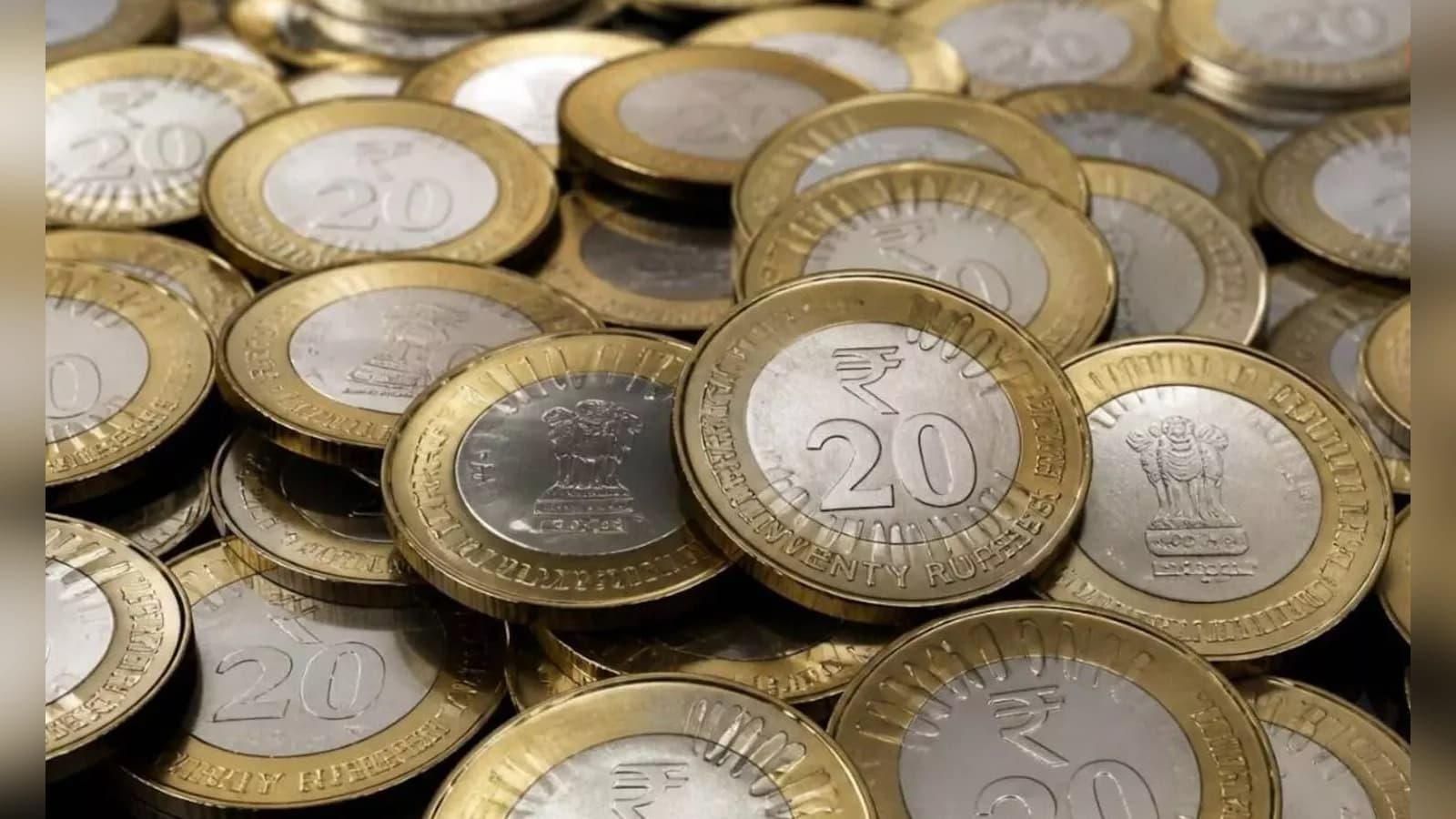
Police seize fake ₹20 coins in a multi-state racket.
An alleged multi-state counterfeit coin racket has been exposed after police uncovered a manufacturing unit in Sonipat, Haryana, reportedly producing fake ₹20 coins for circulation across different parts of India. The operation allegedly continued for around 10 months under the cover of a screwdriver manufacturing business.
The accused claimed that counterfeit coins worth more than ₹70 crore had entered circulation. However, investigators have not independently verified this figure. The investigation has raised concerns about counterfeit coins entering everyday cash transactions through small shops, toll plazas and local markets.

How Did Police Uncover the Fake ₹20 Coin Racket?
The investigation gained momentum in September 2026. On September 8, Delhi Police reportedly arrested a man identified as Paras Jain near Mundka Industrial Area Metro Station. Police recovered counterfeit ₹20 coins with a face value of approximately ₹1 lakh from his vehicle. During questioning, Jain allegedly identified Upkar Luthra as his supplier, who reportedly provided counterfeit coins at discounted rates.
A few days later, on September 13, Saharanpur Police intercepted five men allegedly transporting six heavy machines from Sonipat to Uttar Pradesh. Police recovered 6,400 counterfeit ₹20 coins worth ₹1.28 lakh, unfinished coins estimated at ₹5 lakh and machinery allegedly used in manufacturing. The recovery reportedly exposed the manufacturing operation behind the alleged distribution network.
How Were Counterfeit ₹20 Coins Manufactured?
According to police accounts, the accused allegedly used metal rings made from a mixture of aluminum, copper and nickel. Specially designed dies resembling genuine ₹20 coins were reportedly used to stamp designs onto these metal rings. The coins were then allegedly polished and refined to make them resemble genuine currency.
Police recovered six heavy machines, 39 unmarked dies, 20 marked dies and other polishing and grinding equipment. The accused allegedly claimed that the manufacturing unit could produce between 10,000 and 12,000 counterfeit coins daily, at a cost of approximately ₹5–6 per coin. However, police have not independently verified this production capacity.
How Were Fake Coins Circulated in the Market?
Investigators reportedly found that the counterfeit coins were distributed through intermediaries in packets of 100. Coins with a face value of ₹200 were allegedly sold for ₹160 before being passed on for circulation. According to police, the coins were allegedly introduced into the market through toll plazas, liquor stores, small retail shops and rural markets. Some individuals involved in distributing them may not have known that the coins were counterfeit. The alleged network had links across Delhi, Haryana, Punjab, Uttar Pradesh, Bihar and Jharkhand.
What Does Indian Law Say About Counterfeit Coins?
Counterfeiting Indian coins is a serious criminal offence under the Bharatiya Nyaya Sanhita (BNS), 2023. Section 178 of the BNS deals with counterfeiting coins, government stamps, currency notes and banknotes. It provides for imprisonment for life or imprisonment of up to 10 years, along with a fine. The Coinage Act, 2011, also establishes restrictions and penalties concerning unauthorized coin production.
Why Is the ₹70-Crore Claim Important?
The alleged ₹70-crore circulation figure is one of the most significant claims in the investigation. However, it comes from statements attributed to the accused and has not been independently established. The recoveries made by police so far include counterfeit coins worth approximately ₹1 lakh in Delhi and ₹1.28 lakh in Saharanpur, apart from unfinished coins and manufacturing equipment.
The case highlights how counterfeit currency can enter ordinary cash transactions and raises questions about the actual scale of the alleged operation. The investigation is ongoing, and the allegations against those arrested remain subject to judicial proceedings.

Japan's Okayama University uses robotics competitions to build engineering and workplace skills

Indian Navy Rescues 20 Crew Members From Hijacked Iranian Vessel Off Somalia After 48-Hour Operation

Learning Mandarin, earning degrees in China: How Indonesian youth are preparing for global careers
New Zealand govt breached treaty obligations in school reforms, Waitangi Tribunal finds

New Zealand international student satisfaction hits record high but jobs remain a challenge
Japan's Okayama University uses robotics competitions to build engineering and workplace skills
Indian Navy Rescues 20 Crew Members From Hijacked Iranian Vessel Off Somalia After 48-Hour Operation
Learning Mandarin, earning degrees in China: How Indonesian youth are preparing for global careers

China allows clinical medicine master's and PhD students to graduate without thesis under new pathway

Delhi High Court Refuses Suo Motu Action Against ACP Manasvi Vashishtha Over Alleged Threats to Lawyers

Japan's Okayama University uses robotics competitions to build engineering and workplace skills
Indian Navy Rescues 20 Crew Members From Hijacked Iranian Vessel Off Somalia After 48-Hour Operation
Learning Mandarin, earning degrees in China: How Indonesian youth are preparing for global careers
New Zealand govt breached treaty obligations in school reforms, Waitangi Tribunal finds
New Zealand international student satisfaction hits record high but jobs remain a challenge
Japan's Okayama University uses robotics competitions to build engineering and workplace skills
Indian Navy Rescues 20 Crew Members From Hijacked Iranian Vessel Off Somalia After 48-Hour Operation
Learning Mandarin, earning degrees in China: How Indonesian youth are preparing for global careers
China allows clinical medicine master's and PhD students to graduate without thesis under new pathway
Delhi High Court Refuses Suo Motu Action Against ACP Manasvi Vashishtha Over Alleged Threats to Lawyers
Copyright© educationpost.in 2026 All Rights Reserved.