


Tribunal calls for restoration of school boards’ Treaty duties and a Crown apology as education bodies warn of damage to Māori rights, identity and culturally responsive learning.
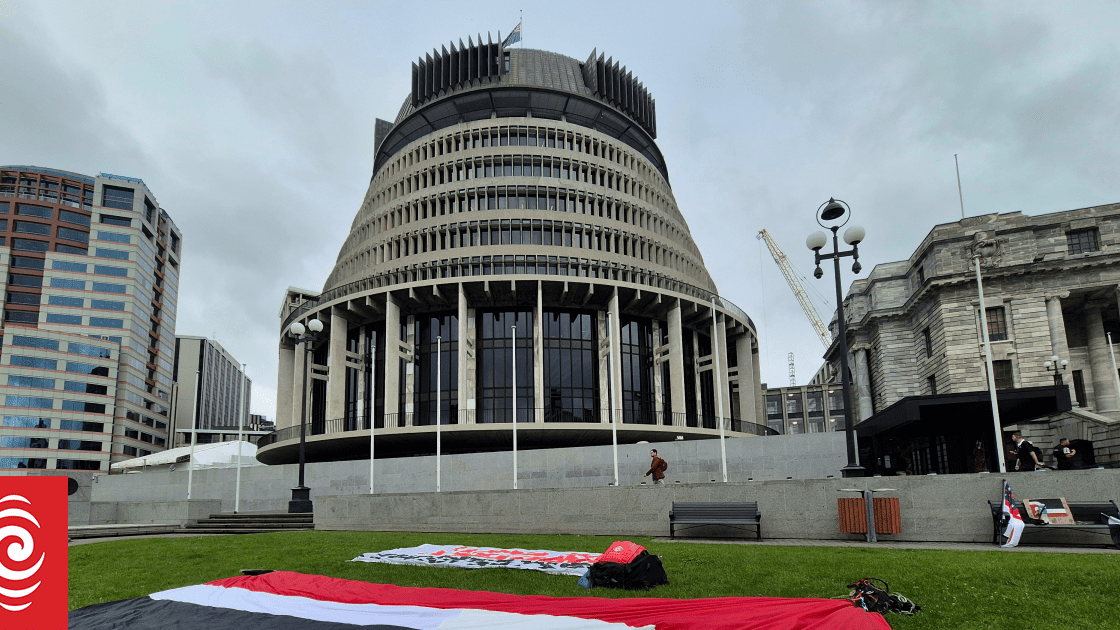
New Zealand government breached its Treaty of Waitangi obligations by removing an explicit requirement for school boards to give effect to the Treaty, causing lasting prejudice to Māori, the Waitangi Tribunal has found.
In its latest report on the government’s education reforms, the Tribunal concluded that the removal of the statutory obligation breached the principle of partnership, undermined transparency and good faith, and violated several Treaty-related duties. The report, the third released since the urgent inquiry began in April, examines changes to school boards’ responsibilities under the Education and Training Act 2020, particularly the removal of section 127(1)(d). The Tribunal found that the changes had harmed the relationship between Māori and the Crown and created uncertainty over the place of the Treaty in school governance.

It warned that the lack of clarity could leave schools’ commitment to Te Tiriti o Waitangi to chance, describing the resulting confusion as potentially the “largest and most lasting form of prejudice”. The findings have drawn strong reactions from education organisations, which say they reinforce concerns raised by schools, Māori educators and unions over the direction of the reforms.
NZEI Te Riu Roa, the education union, said the findings vindicated more than 1,800 schools that had publicly pledged to continue honouring Te Tiriti despite the removal of the statutory requirement. Adrianne McAllister, spokesperson for NZEI Te Riu Roa and a school principal, said the three Tribunal reports highlighted the consequences of introducing major changes without consulting Māori or the wider education sector, despite warnings from Government officials. She said parents and families wanted an education that reflected Aotearoa New Zealand’s bicultural heritage, while schools remained committed to providing culturally responsive learning. Instead, she argued, the reforms had triggered a systematic rollback of such learning across the education system.
The Te Akatea New Zealand Māori Principals’ Association also stressed that educational achievement could not be separated from Māori students’ rights to their language, knowledge and identity, or their participation in decisions affecting their education. The association pointed to concerns raised by the United Nations and the Tribunal’s findings on the impact of the reforms, calling on the Education Minister and the Crown to respond publicly.
It urged the Government to restore school boards’ explicit Treaty obligations and renew its commitment to genuine partnership with Māori across English-medium and Māori-medium education. The association also plans to launch a petition next week, calling on the Government to act on the Tribunal’s recommendations.
For Māori educators, the findings carry particular significance because they recognise the work schools had undertaken to embed Treaty principles in everyday teaching and decision-making before the legal requirement was removed. Te Aomihia Taua-Glassie, Māori vice-president of PPTA Te Wehengarua, said the report's recognition of those efforts was both affirming and deeply painful. She said schools across New Zealand had incorporated te reo Māori, tikanga and mātauranga Māori into school life while keeping the aspirations of Māori students central to their decisions.
More than 1,800 schools had subsequently stood together to declare that they would continue honouring Te Tiriti, despite the legislative change. The Tribunal has recommended that the Crown apologise to Māori for the breaches arising from the removal of section 127(1)(d).
It has also called for the provision to be restored in its entirety, urging the Government to work with Māori and the education sector on how to reinstate the obligation within the current legislative framework without weakening its original intent. The recommendations place renewed focus on the government’s responsibility to address the concerns raised by Māori communities and restore clarity over the role of Treaty commitments in New Zealand’s schools.

Japan's Okayama University uses robotics competitions to build engineering and workplace skills

Indian Navy Rescues 20 Crew Members From Hijacked Iranian Vessel Off Somalia After 48-Hour Operation

Learning Mandarin, earning degrees in China: How Indonesian youth are preparing for global careers
New Zealand govt breached treaty obligations in school reforms, Waitangi Tribunal finds

New Zealand international student satisfaction hits record high but jobs remain a challenge
Japan's Okayama University uses robotics competitions to build engineering and workplace skills
Indian Navy Rescues 20 Crew Members From Hijacked Iranian Vessel Off Somalia After 48-Hour Operation
Learning Mandarin, earning degrees in China: How Indonesian youth are preparing for global careers
China allows clinical medicine master's and PhD students to graduate without thesis under new pathway

Delhi High Court Refuses Suo Motu Action Against ACP Manasvi Vashishtha Over Alleged Threats to Lawyers

Japan's Okayama University uses robotics competitions to build engineering and workplace skills
Indian Navy Rescues 20 Crew Members From Hijacked Iranian Vessel Off Somalia After 48-Hour Operation
Learning Mandarin, earning degrees in China: How Indonesian youth are preparing for global careers
New Zealand govt breached treaty obligations in school reforms, Waitangi Tribunal finds
New Zealand international student satisfaction hits record high but jobs remain a challenge
Japan's Okayama University uses robotics competitions to build engineering and workplace skills
Indian Navy Rescues 20 Crew Members From Hijacked Iranian Vessel Off Somalia After 48-Hour Operation
Learning Mandarin, earning degrees in China: How Indonesian youth are preparing for global careers
China allows clinical medicine master's and PhD students to graduate without thesis under new pathway
Delhi High Court Refuses Suo Motu Action Against ACP Manasvi Vashishtha Over Alleged Threats to Lawyers
Copyright© educationpost.in 2026 All Rights Reserved.