


Partnering with Alianza Lima, the UN agency is using education, science, culture and women’s football to promote disaster preparedness and protect communities ahead of the 2026–2027 climate phenomenon.
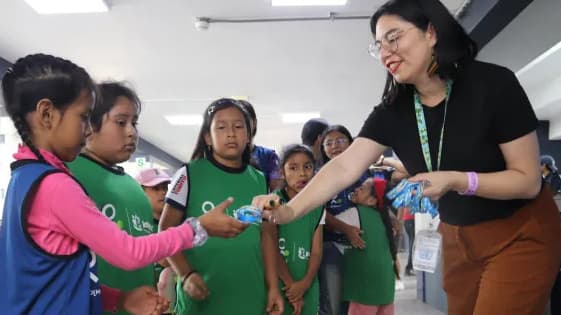
UNESCO has launched a nationwide preparedness campaign in Peru, urging communities to strengthen their resilience and take preventive measures against the potential impact of the 2026–2027 El Niño phenomenon.
The campaign, titled Prepared, Resilient and Organised Communities (Comunidades PRO), was launched at Alejandro Villanueva Stadium in Lima's La Victoria district during a women's friendly football match between Alianza Lima and Argentina's Talleres de Córdoba. Using the reach of women's football, UNESCO Peru aims to raise public awareness about disaster risks and encourage people to recognise early warnings, access reliable information and take timely precautions.

The campaign comes at a critical time, with climate forecasts pointing to the possibility of an unusually intense El Niño event. In September 2026, Peru's Multisectoral Commission for the National Study of the El Niño Phenomenon (ENFEN) maintained the El Niño Costero alert, citing a high probability that the phenomenon could reach extraordinary intensity between September 2026 and January 2027.
Above-average rainfall is also forecast for the summer of 2027 along the northern and central coastal regions and in the northwestern highlands, raising concerns over heavy rainfall, flooding and river overflows. UNESCO has stressed that preparedness must begin before emergencies strike. Timely access to credible information, awareness of official alerts and preventive action can help protect lives, schools, essential services and cultural heritage.
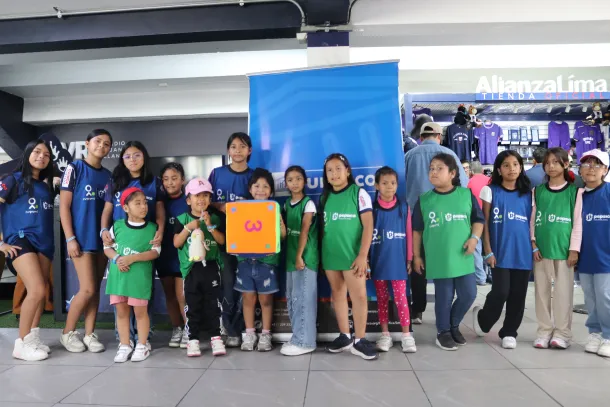
The agency has also highlighted the dangers of misinformation during disasters, when rumours and unverified reports can spread rapidly and influence life-threatening decisions. Through its Media and Information Literacy initiative, UNESCO is encouraging people to rely on official information sources, verify reports before sharing them and make informed decisions during emergencies.
Education and culture at the heart of preparedness
The Comunidades PRO campaign brings together education, science, communication and information, and culture to strengthen the ability of individuals and communities to anticipate risks and respond effectively to emergencies. In education, the initiative involves developing an educational and play-based toolkit to help students, teachers and school communities prepare for the El Niño phenomenon.
The programme seeks to minimise disruptions to learning while safeguarding children's and adolescents' well-being and ensuring that teachers and educational institutions are better equipped to deal with emergencies. The cultural component focuses on protecting Peru's cultural heritage from climate-related threats.
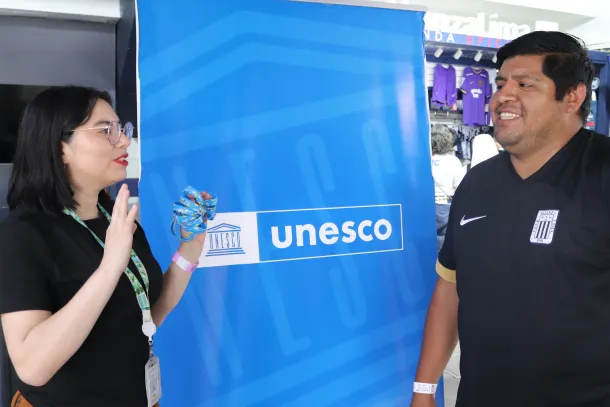
Working with the Ministry of Culture and the National Institute of Civil Defence (INDECI), UNESCO is supporting efforts to strengthen the preparedness of public officials, municipal authorities and cultural heritage managers across the country. The work also forms part of the global Culture x El Niño campaign, which highlights the importance of protecting cultural heritage as a key element of community resilience.
Women's football takes the prevention message beyond the pitch
The partnership with Alianza Lima builds on an earlier collaboration between the football club and UNESCO to promote greater participation of girls and women in sports. This latest initiative uses the popularity of women's football to take disaster-prevention messages to wider audiences and reinforce the idea that preparedness is a shared responsibility.
UNESCO has also drawn attention to the particular challenges faced by women and girls during emergencies. While they can experience disasters differently, they also play a vital role in caregiving, community organisation and emergency response. Recognising and supporting their leadership, both within communities and beyond, is therefore central to building stronger and more resilient societies.
Through Comunidades PRO, UNESCO aims to put education, knowledge, science, culture and reliable information at the service of communities, helping people prepare for potential emergencies and reduce the risks posed by the El Niño phenomenon.

11-year-old Egyptian girl beats 40 million students to win Dh500,000 in Dubai

Canadian university graduates retain wage advantage as full-time job prospects soften

University of Toronto secures $60 million boost for graduate education through Irving family gift
UNESCO launches campaign to prepare Peruvian communities for El Niño threat

Brown University team joins NASA mission to study giant planets from Antarctica
11-year-old Egyptian girl beats 40 million students to win Dh500,000 in Dubai

South Korea's student suicide toll nears 1,000 in four years, with India's figures also drawing attention

Want to explore the world without leaving your classroom? Seoul students show how

When smart glasses become cheating tools: South Korea draws tougher exam rules

Jeans out, formals in: Bihar rolls out stricter rules for government school staff

11-year-old Egyptian girl beats 40 million students to win Dh500,000 in Dubai
Canadian university graduates retain wage advantage as full-time job prospects soften
University of Toronto secures $60 million boost for graduate education through Irving family gift
UNESCO launches campaign to prepare Peruvian communities for El Niño threat
Brown University team joins NASA mission to study giant planets from Antarctica
11-year-old Egyptian girl beats 40 million students to win Dh500,000 in Dubai
South Korea's student suicide toll nears 1,000 in four years, with India's figures also drawing attention
Want to explore the world without leaving your classroom? Seoul students show how
When smart glasses become cheating tools: South Korea draws tougher exam rules
Jeans out, formals in: Bihar rolls out stricter rules for government school staff
Copyright© educationpost.in 2026 All Rights Reserved.