


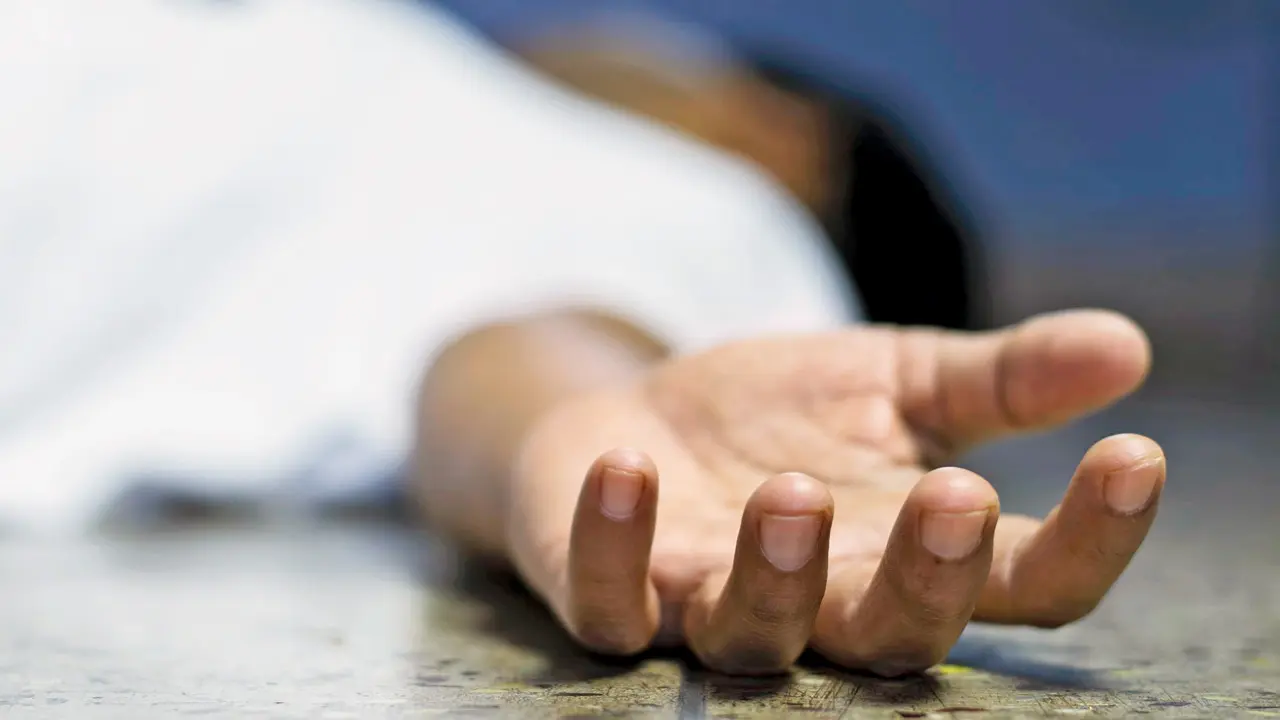
South Korea recorded 985 student suicides between January 2022 and June 2026, with the annual number of deaths increasing by 25.8% between 2022 and 2025. Another 112 students died by suicide in the first six months of 2026, while education authorities remain unable to determine the circumstances behind hundreds of cases.
The figures, disclosed Thursday from Education Ministry data obtained by Rep. Suh Bum-soo of the opposition People Power Party, have raised concerns about gaps in the country's student suicide prevention system, including limited access to professional counseling and inadequate tracking of mental health resources in schools.

According to The Korea Herald and Asia Today, the annual number of student suicides increased from 194 in 2022 to 214 in 2023 and 221 in 2024, before reaching 244 in 2025. This marked three consecutive years of increases.
The 2025 figure included 146 high school students, 92 middle school students and six elementary school students.
A further 112 deaths were reported between January and June 2026. Of these, 57 involved high school students, 43 involved middle school students and 12 involved elementary school students.
The increase among elementary school students has drawn particular attention. While six elementary school students died by suicide during the whole of 2025, 12 such deaths were recorded in just the first six months of 2026. Half of the 12 students attended schools in Seoul.
Regional figures highlight differences in student suicide cases
The ministry's data also showed variations in the number of student suicides across South Korea during the first half of 2026.
Gyeonggi Province recorded the highest number, with 28 deaths, followed by Seoul with 19. South Jeolla Province and Gwangju reported 12 deaths each, while South Gyeongsang Province recorded 10.
However, these figures represent the number of deaths and are not adjusted for differences in student populations across regions. They therefore cannot be used directly to compare suicide risk between provinces or cities.
The figures have also highlighted limitations in the government's ability to establish the circumstances associated with student deaths.
Nearly 300 student suicides recorded with unknown causes
Education Ministry data showed that approximately 300 of the 985 student suicides recorded between January 2022 and June 2026 were classified as having unknown causes. This accounts for around 30.5% of all cases during the period.
The situation continued in the first half of 2026, when authorities were unable to determine the cause in 31 of the 112 cases, representing 27.7% of the total.
Among the remaining 81 cases recorded during the first six months of this year, family-related problems were identified in 32 cases. Academic or career-related concerns were cited in 23 cases, while psychiatric problems were identified in 19.
The classification process relies on information collected by schools through reports prepared by teachers. These assessments draw on accounts from homeroom teachers, counseling teachers, classmates and, with their consent, bereaved families.
However, the system depends partly on teachers' assessments and allows multiple possible contributing factors to be recorded. This makes it difficult to establish how different circumstances overlap or assess the relationship between several potential risk factors.
The large number of cases classified as having unknown causes has raised questions about whether the existing reporting mechanism provides sufficient information for a systematic understanding of student suicides.
India also reports rise in student suicides
Student suicides remain a concern in India as well, with National Crime Records Bureau (NCRB) data showing an increase in reported deaths in recent years.
The NCRB's Accidental Deaths and Suicides in India 2023 report recorded 13,892 student suicides in the country in 2023, compared with 13,044 in 2022. This represents an increase of approximately 6.5% in one year.
The figures add to concerns about student mental health and the need for stronger support systems in educational institutions. However, India's annual figures and South Korea's data cannot be directly compared because of differences in population size, student enrollment and reporting methodologies.
Both sets of figures underline the importance of identifying students experiencing distress, improving access to professional counseling and strengthening early intervention mechanisms in schools and other educational institutions.
Fewer than half of schools have professional counseling teachers
The availability of counseling support in schools has emerged as another concern in the ministry's data.
As of April 2025, only 5,169 of South Korea's 12,167 elementary, middle, high and special education schools had specialist counseling teachers. This represented a coverage rate of 42.5%, leaving nearly six in 10 schools without a professional counseling teacher.
Gangwon Province had the lowest coverage, at 28.3%, followed by South Jeolla Province at 30.2%. South Gyeongsang Province recorded a coverage rate of 35.7%, while South Chungcheong Province stood at 36.6%.
In comparison, 47.2% of schools in Seoul and 48.1% in Gyeonggi Province had specialist counseling teachers.
Even when itinerant school counselors, who serve multiple institutions, were included, the nationwide coverage rate reached only 49.6%.
The figures indicate that professional counseling support remains unavailable in a substantial proportion of schools, despite growing concerns about student mental health and the need to identify students requiring assistance.
Ministry lacks data on counseling staff at schools where students died
A further gap identified in the parliamentary records concerns the ministry's inability to establish whether schools where student suicides occurred had professional counseling personnel.
Suh said the Education Ministry could not provide this information because the reporting forms used to record student suicides do not include a specific field for documenting counselor availability at the affected schools.
The omission means authorities lack basic information to examine whether schools had access to professional counseling support, how students at risk were identified and whether existing prevention measures were adequate.
However, the available figures do not establish a direct causal relationship between the presence of professional counselors and student suicide rates. They do highlight the need for more comprehensive data to assess the effectiveness of school-based mental health services and suicide prevention initiatives.
Suh criticized the ministry for failing to identify the contributing factors in a substantial number of student deaths while professional counseling resources remain limited.
He described the ministry's inability to determine whether affected schools even had counseling teachers as a “dereliction of duty.”
Calling for changes to the existing system, Suh urged the government to strengthen scientific analysis of student suicide risk factors, increase the number of professional counseling personnel and improve mechanisms for identifying students in distress.
He also called for more effective early detection and support systems to ensure that students at risk can receive timely assistance.
The findings have renewed calls for education authorities to improve the collection and analysis of student suicide data, expand access to school counseling and evaluate whether existing prevention policies are reaching students who need support.

KVS Samvaad App: Parents May Soon Track Attendance, Academic Performance; KVS Warns Against Fake Apps
South Korea's student suicide toll nears 1,000 in four years, with India's figures also drawing attention
Want to explore the world without leaving your classroom? Seoul students show how
When smart glasses become cheating tools: South Korea draws tougher exam rules

Jeans out, formals in: Bihar rolls out stricter rules for government school staff
South Korea's student suicide toll nears 1,000 in four years, with India's figures also drawing attention
Want to explore the world without leaving your classroom? Seoul students show how
When smart glasses become cheating tools: South Korea draws tougher exam rules
Jeans out, formals in: Bihar rolls out stricter rules for government school staff
Auslan gains ground in Western Australian schools

KVS Samvaad App: Parents May Soon Track Attendance, Academic Performance; KVS Warns Against Fake Apps
South Korea's student suicide toll nears 1,000 in four years, with India's figures also drawing attention
Want to explore the world without leaving your classroom? Seoul students show how
When smart glasses become cheating tools: South Korea draws tougher exam rules
Jeans out, formals in: Bihar rolls out stricter rules for government school staff
Auslan gains ground in Western Australian schools
Copyright© educationpost.in 2026 All Rights Reserved.