


More than 20,000 students have benefited from the university’s grant-based aid programme since 2001. Princeton says 70% of its undergraduate students currently receive financial aid, while 30% pay nothing to attend.
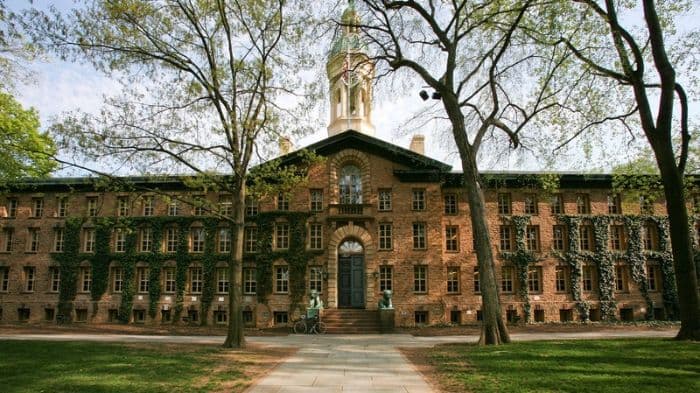
Princeton University has marked 25 years of its no-loan financial aid policy, under which grants replaced student loans in undergraduate aid packages, allowing students to complete their degrees without taking on education debt.
The university introduced the policy in 2001, becoming the first institution in the US to eliminate loans from its financial aid packages. Since then, more than 20,000 students have benefited from the programme, with nearly 90% of recent graduates leaving Princeton without student debt.

The policy was introduced to make a Princeton education accessible to students from different economic backgrounds, including those who might otherwise have been discouraged by the cost of attending the university.
Who is eligible for Princeton financial aid?
Princeton's financial aid programme covers the full demonstrated financial need of admitted students through grants that do not have to be repaid. The support can cover tuition, accommodation, meals, books and personal expenses.
According to the university, most families with annual incomes of up to $150,000 receive financial aid covering the full cost of attendance. Most families earning up to $250,000 receive assistance covering the full cost of tuition.
Some families with incomes up to and beyond $350,000 also qualify for grant aid, depending on their financial circumstances, including the number of children enrolled in college.
Princeton also applies the same financial aid policy to international students. Admission is need-blind, meaning applicants are not disadvantaged in the selection process because they require financial assistance.
70% of undergraduates receive financial aid
As of autumn 2026, around 70% of Princeton's undergraduate student body receives financial aid, while 30% attend without paying anything.
The university has also set targets to increase the representation of students from lower- and middle-income backgrounds. In 2024, its Board of Trustees established a goal for at least 70% of undergraduates to qualify for need-based financial aid and at least 22% to be eligible for federal Pell Grants.
In the incoming Class of 2030, approximately 25% of students are eligible for Pell Grants, which provide federal financial assistance to undergraduate students from lower-income households in the US.
Princeton said the average out-of-pocket cost of attendance, including for students who do not receive financial aid, increased from $22,577 in 2001 to $24,636 in 2026.
University launches fundraising initiative to sustain financial aid
As it looks towards the next 25 years, Princeton has launched the Talent Initiative, a fundraising effort focused on supporting scholarships and fellowships. It forms part of the university's broader Venture Beyond programme, which aims to advance its strategic priorities.
The initiative is intended to build long-term funding through endowed scholarships and fellowships, helping Princeton sustain its financial aid commitments for future generations.
The university also provides fellowships for all degree-seeking PhD students during their regular programme enrolment. These fellowships cover tuition and fees and provide stipends for living expenses.
Princeton said its financial aid programme is supported by its endowment and contributions from alumni and other donors.

Brown University team joins NASA mission to study giant planets from Antarctica

Princeton marks 25 years of no-loan financial aid, says nearly 90% of graduates leave debt-free
UAE ministry dismisses viral first-term exam timetable as fake

IIT Kanpur to Establish ₹104-Crore UP Cyber Security Operations Centre
IIM Ahmedabad Summer Placements 2028: AI Startups, Fashion Brands and Top Companies Recruit Students

South Korea's student suicide toll nears 1,000 in four years, with India's figures also drawing attention

Want to explore the world without leaving your classroom? Seoul students show how
When smart glasses become cheating tools: South Korea draws tougher exam rules

Jeans out, formals in: Bihar rolls out stricter rules for government school staff

Auslan gains ground in Western Australian schools

Brown University team joins NASA mission to study giant planets from Antarctica
Princeton marks 25 years of no-loan financial aid, says nearly 90% of graduates leave debt-free
UAE ministry dismisses viral first-term exam timetable as fake
IIT Kanpur to Establish ₹104-Crore UP Cyber Security Operations Centre
IIM Ahmedabad Summer Placements 2028: AI Startups, Fashion Brands and Top Companies Recruit Students
South Korea's student suicide toll nears 1,000 in four years, with India's figures also drawing attention
Want to explore the world without leaving your classroom? Seoul students show how
When smart glasses become cheating tools: South Korea draws tougher exam rules
Jeans out, formals in: Bihar rolls out stricter rules for government school staff
Auslan gains ground in Western Australian schools
Copyright© educationpost.in 2026 All Rights Reserved.