


Students at Goldsmiths, University of London, are seeking financial remedies for disrupted teaching as an industrial dispute enters its 21st week. The university says it has introduced measures to limit the impact, while maintaining that most staff continue to work and teaching remains available across programmes.
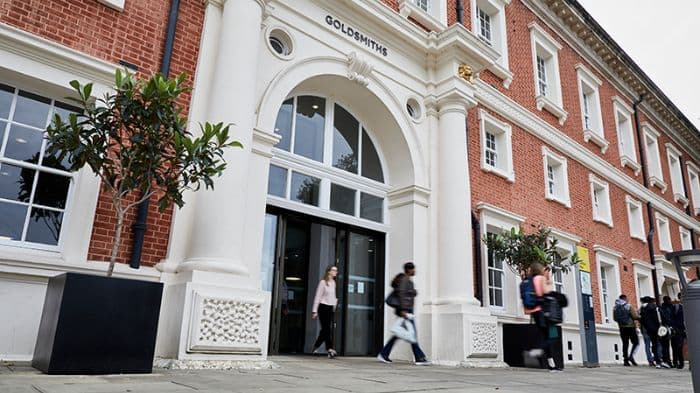
Fine-art students at Goldsmiths, University of London, are calling for compensation over lost teaching and disrupted academic support as a staff strike over proposed job cuts continues into its 21st week.
There are concerns among students on the Master of Fine Art (MFA) course, where 10 of the 12 usual tutors were reported to be taking part in the industrial action. Students described limited teaching, difficulties obtaining feedback and uncertainty over assessments, raising questions about whether the education they are paying for is being delivered as expected.

The dispute began with a marking and assessment boycott in April 2026 and escalated to full strike action in June. The University and College Union (UCU) branch at Goldsmiths has opposed the university’s restructuring plans, which include proposed job cuts.
International students face high tuition costs
The disruption has particular financial implications for international students, who may pay substantial tuition fees while also meeting living expenses and other costs associated with studying in London.
Some international MFA students pay £33,000 a year. Students described disappointment over disrupted teaching and concerns about the value of their education. Some were considering suspending their studies, while others said visa or funding restrictions made leaving difficult.
These accounts reflect the experiences reported by individual students and do not establish that every student on the programme has experienced the same level of disruption. The extent of missed teaching, supervision and feedback would need to be assessed at course and student level.
The dispute also raises questions about the remedies available when students believe that teaching or other promised learning opportunities have not been delivered. These could include additional teaching, alternative academic support, adjustments to assessment or, where appropriate, a financial remedy.
University says measures are in place to limit disruption
Goldsmiths has said it is taking steps to protect students’ education during the industrial action. Its official industrial-action page states that approximately 90% of staff are not participating in the action and that the university is continuing to deliver teaching across its programmes.
The university says it has introduced exceptional academic regulations to help students affected by marking and assessment delays. These measures allow changes to assessments, alternative ways for students to demonstrate learning outcomes and additional support intended to help them progress and graduate.
Goldsmiths has also said that campus facilities and services remain open. It advises students to attend scheduled teaching unless told otherwise and says affected students should be informed directly about changes to classes.
The university’s position differs from the experiences reported by some MFA students. While management says it is working to minimise disruption, the student accounts indicate that the impact can vary significantly between courses and individual students.
Complaints and possible financial remedies
Goldsmiths has a formal complaints process for students affected by industrial action. Its published guidance for the 2025-26 academic year allows students to raise concerns about missed teaching, disrupted supervision, reduced access to academic support, delayed marking and feedback, progression difficulties and additional costs.
Students are asked to explain how the disruption affected them and, where possible, provide supporting evidence. Complaints are considered individually, taking account of the circumstances and impact experienced by each student.
The university’s guidance also makes clear that the process for the 2026-27 academic year is still being developed. Students affected by ongoing action have been advised to keep records of disruption and retain relevant communications while further details are prepared.
A financial remedy is not automatic whenever industrial action affects teaching. The Office of the Independent Adjudicator for Higher Education (OIA), which reviews eligible student complaints in England and Wales, says providers may be able to address disruption through measures such as rescheduled teaching or alternative learning arrangements. A financial remedy may be appropriate where other measures cannot adequately put matters right.
Students must generally complete their university’s internal complaints process before taking an eligible case to the OIA.
Dispute over restructuring remains unresolved
The industrial action stems from disagreements over Goldsmiths’ plans to address financial pressures and restructure its academic operations. The university says it has held discussions with the Goldsmiths branch of UCU through the Advisory, Conciliation and Arbitration Service (ACAS).
In an October update, Goldsmiths said it had made three offers in September and October, including a proposed pause on compulsory redundancies until the New Year, a voluntary severance scheme and the possibility of staggering salary reductions for staff who had been on strike. The university said the union had rejected the offers and described its latest proposal as the strongest package it could responsibly make.
The union’s opposition to the restructuring and the university’s stated financial concerns remain central to the dispute. Neither the students’ compensation demands nor the university’s mitigation measures, by themselves, settle the question of how much teaching individual students have lost or whether a financial remedy is warranted.
Cyclone Arnab Explained: Landfall, Affected States, Wind Speed and How It Formed

Goldsmiths fine-art students seek compensation over prolonged staff strikes

ECU, Tokyo City University mark 10 years of student exchange

Australia’s student visa appeal backlog surges 42% to 54,176

Diwali to bring four day break for some UAE schools
Cyclone Arnab Explained: Landfall, Affected States, Wind Speed and How It Formed
South Africa study finds university mentors boost school pupils’ confidence

The Most Persistent Weakness in India’s Engineering Education System Is the Gap Between Knowing and Doing

Study in Singapore 2027: Top Universities, Fees, Scholarships, Student Visa and Jobs for Indian Students

Study in Taiwan 2027: Top Universities, Fees, Scholarships, Student Visa and Jobs for Indian Students

Cyclone Arnab Explained: Landfall, Affected States, Wind Speed and How It Formed
Goldsmiths fine-art students seek compensation over prolonged staff strikes
ECU, Tokyo City University mark 10 years of student exchange
Australia’s student visa appeal backlog surges 42% to 54,176
Diwali to bring four day break for some UAE schools
Cyclone Arnab Explained: Landfall, Affected States, Wind Speed and How It Formed
South Africa study finds university mentors boost school pupils’ confidence
The Most Persistent Weakness in India’s Engineering Education System Is the Gap Between Knowing and Doing
Study in Singapore 2027: Top Universities, Fees, Scholarships, Student Visa and Jobs for Indian Students
Study in Taiwan 2027: Top Universities, Fees, Scholarships, Student Visa and Jobs for Indian Students
Copyright© educationpost.in 2026 All Rights Reserved.