


The package sets out four priorities for EU education systems, including improving literacy and mathematics, supporting teachers, integrating AI into learning and modernising vocational education and training.
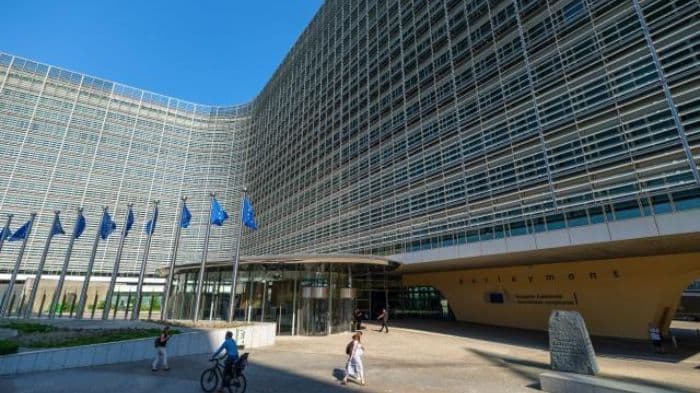
The European Commission has introduced a new Education and Skills Package aimed at reversing the decline in basic skills, addressing teacher shortages and helping schools use artificial intelligence (AI) and digital technologies for learning.
Announced on Nov 5, the package sets out four priorities for education and training systems across the European Union (EU): improving achievement in basic skills, harnessing digital and AI tools for education, strengthening the teaching profession and modernising vocational education and training (VET).

The initiative comes amid concerns over students’ performance in core subjects. According to the European Commission’s analysis of PISA 2025 results, 33.9% of 15-year-olds in the EU underachieved in mathematics, while 31.3% recorded low achievement in reading and 25.9% in science.
The Commission said the package is intended to help member states improve learning outcomes and prepare young people for changing labour-market requirements.
EU plans measures to improve students’ basic skills
Improving literacy, mathematics, science, digital skills and citizenship education is one of the central priorities of the package.
The Commission has proposed a recommendation to help member states reverse the decline in basic skills. It calls for education reforms and investment to improve student achievement, strengthen evidence-based teaching practices and provide schools and teachers with the support needed to address learning gaps.
The package also proposes European School Alliances, which will bring schools and education authorities from different EU countries together to share approaches and work towards measurable improvements in students’ skills.
The Commission said Erasmus+ support for these alliances is expected to begin in 2027, with the aim of expanding the initiative over the next EU budget period.
AI and digital technology to become part of education strategy
The package also focuses on the use of digital technologies and AI in schools, with an emphasis on ensuring that these tools support learning and are used safely.
The Commission plans to support member states in incorporating AI literacy into primary and secondary education. It will also develop age-appropriate learning outcomes and assessment guidance for AI literacy, drawing on the EU-OECD AI Literacy Framework. A pilot AI Literacy Certificate for learners is planned for the 2027-28 school year.
The package also includes the European Digital Infrastructure Consortium on Education (EDU-EDIC), established on November 3 at the request of eight founding member states. The consortium is intended to help countries pool resources and expertise to develop trusted digital and AI services for schools, enable secure data exchange between education institutions and strengthen Europe’s technological capacity in education.
Commission calls for action on teacher shortages
Strengthening the teaching profession is another priority, as teacher shortages continue to affect schools across the EU.
Through its proposed EU Teachers Agenda, the Commission is calling on member states to make teaching careers more attractive by improving working conditions, strengthening initial teacher education and providing better opportunities for professional development.
The proposals also seek to give teachers greater agency in decisions about the use of AI in education and encourage closer dialogue between governments, education authorities and teachers’ representatives.
The Commission plans to reinforce its Teacher Academies initiative from 2027, with a focus on supporting new teachers and school leaders.
New vocational education strategy planned for 2026-2030
The fourth priority is to make vocational education and training more responsive to changing labour-market needs.
The Commission’s VET strategy for 2026-2030 includes plans for a European sectoral training accelerator. A pilot is expected to begin in 2027, bringing industry partners and training providers together to develop short and flexible training modules that can be incorporated into national programmes.
The strategy also proposes partnerships between businesses and VET providers to establish new training centres. From 2028, these partnerships are expected to help businesses, particularly small and medium-sized enterprises, access skilled workers and adopt new technologies.
A proposed EU mobility marketplace would also help vocational learners and apprentices find training opportunities abroad.
Education and Skills Summit scheduled for Nov 20
The European Commission will host the 2026 European Education and Skills Summit in Brussels on Nov 20 to begin implementing the package alongside EU member states and other stakeholders.
The summit will bring together education policymakers, school leaders, teachers, students, education organisations and technology companies. The Council of the European Union has also been invited to examine and adopt the proposals included in the package.
The Commission said the measures are intended to help education systems respond to declining basic skills, teacher shortages and the growing role of digital technologies, while preparing learners for future employment and further education.
India set to join EU’s €93.5 billion Horizon Europe research programme in January 2027

Australia study detects exam stress in university campus sewage

European Commission unveils education package to address falling basic skills and teacher shortages

UAE expands global research partnerships and links university innovation with industry

Researchers warn AI overuse could weaken students’ ability to think independently

UN Secretary-General to take Arctic scientists’ climate warnings to COP31

Nepali students form Japan's second-largest international academic community: Foreign Minister

'Mogging' explained: How bodybuilding term became Collins Word of the Year 2026

‘It’s actually very cut-throat’: 13-year-old wins New Zealand spelling bee title

Schoolchildren join desperate effort to save stranded whales on New Zealand coast

India set to join EU’s €93.5 billion Horizon Europe research programme in January 2027
Australia study detects exam stress in university campus sewage
European Commission unveils education package to address falling basic skills and teacher shortages
UAE expands global research partnerships and links university innovation with industry
Researchers warn AI overuse could weaken students’ ability to think independently
UN Secretary-General to take Arctic scientists’ climate warnings to COP31
Nepali students form Japan's second-largest international academic community: Foreign Minister
'Mogging' explained: How bodybuilding term became Collins Word of the Year 2026
‘It’s actually very cut-throat’: 13-year-old wins New Zealand spelling bee title
Schoolchildren join desperate effort to save stranded whales on New Zealand coast
Copyright© educationpost.in 2026 All Rights Reserved.