


Proposed ban would extend the province’s secularism rules to young pupils, drawing criticism from civil liberties advocates who say it sends children a message of exclusion.
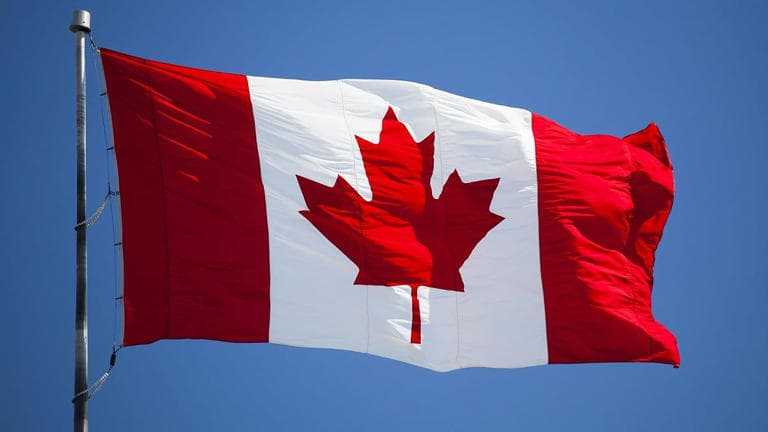
The Canadian province of Quebec is planning to prohibit elementary school pupils from wearing visible religious attire, including Sikh turbans, Muslim niqabs and other religious coverings, extending its secularism policy to children and sparking concerns over religious freedom and discrimination.
The proposed restrictions, which would primarily affect young Sikh, Muslim and Jewish pupils, are part of the governing Parti Québécois' election commitments. The separatist party came to power following the provincial election in October, with the ban on religious symbols in schools forming part of its political platform.

Quebec Education Minister Joël Arseneau defended the government's position, saying the administration intended to fulfil the commitments on which it had secured its mandate. “We were elected on this base, and it’s on this base that we are going to work,” Arseneau said, according to the Montreal Gazette.
Premier Paul St-Pierre Plamondon had also defended the proposed restrictions in September, arguing that schools could establish rules governing what pupils wear. “It’s accepted that when you send your child to school, there are rules. The vast majority of people will understand that a religious symbol can be removed,” he said.
The proposed ban would mark a further expansion of Quebec's secularism framework, which has gradually placed restrictions on religious expression in public institutions. The previous Coalition Avenir Québec (CAQ) government introduced additional measures in April, extending restrictions on religious practices to public universities, government-subsidised private institutions and childcare centres. It also prohibited collective religious practices on roads and in parks, according to the Montreal Gazette.
Quebec's broader restrictions on visible religious symbols date back to 2019, when the CAQ government introduced its controversial secularism law. The legislation barred certain public-sector employees in positions of authority from wearing visible religious symbols, including Sikh turbans and Muslim hijabs.
The restrictions cover school teachers, principals and vice-principals, police officers, judges and other law enforcement officials. The legislation has since faced a legal challenge before Canada's Supreme Court. The latest proposal has drawn criticism from civil liberties advocates, who argue that extending the restrictions to elementary school pupils risks placing the burden of the province's secularism policy on children.
Anaïs Bussières McNicoll, Quebec spokesperson and Director of Fundamental Freedoms at the Canadian Civil Liberties Association (CCLA), said the province had steadily widened restrictions on religious expression, moving from certain public-sector employees to staff in public schools, publicly funded private schools and publicly funded childcare centres.
“Once again, we’re faced with a solution in search of a problem. And this time, the Quebec government is targeting children, sending a message of exclusion and rejection of difference to every elementary school student,” McNicoll said.
The proposed measure has brought the debate over Quebec's model of state secularism into elementary classrooms, raising questions about how the province will balance its approach to secular public institutions with the religious freedom and inclusion of young pupils.
UAE schools to begin three week winter break on December 14

UAE Indian schools light up campuses with Diwali celebrations

Dubai tightens approval rules for Islamic education teachers in early years
France holds talks with Taliban on deporting Afghan migrants
Canada finds thousands of OSAP applications linked to one IP address
UAE schools to begin three week winter break on December 14
UAE Indian schools light up campuses with Diwali celebrations
From digital pets to AI robots: How Hong Kong schools are reshaping classroom learning

Why Are Nearly 2,000 MBBS Seats Still Vacant After NEET Counselling 2026?

King's College London, Cranfield University agree to merge in August 2027

UAE schools to begin three week winter break on December 14
UAE Indian schools light up campuses with Diwali celebrations
Dubai tightens approval rules for Islamic education teachers in early years
France holds talks with Taliban on deporting Afghan migrants
Canada finds thousands of OSAP applications linked to one IP address
UAE schools to begin three week winter break on December 14
UAE Indian schools light up campuses with Diwali celebrations
From digital pets to AI robots: How Hong Kong schools are reshaping classroom learning
Why Are Nearly 2,000 MBBS Seats Still Vacant After NEET Counselling 2026?
King's College London, Cranfield University agree to merge in August 2027
Copyright© educationpost.in 2026 All Rights Reserved.