


The Centre is considering a committee to reconsider the UGC's 2026 equity regulations following legal challenges over caste-based discrimination provisions. The Supreme Court has stressed that the revised framework must protect the interests of every student.
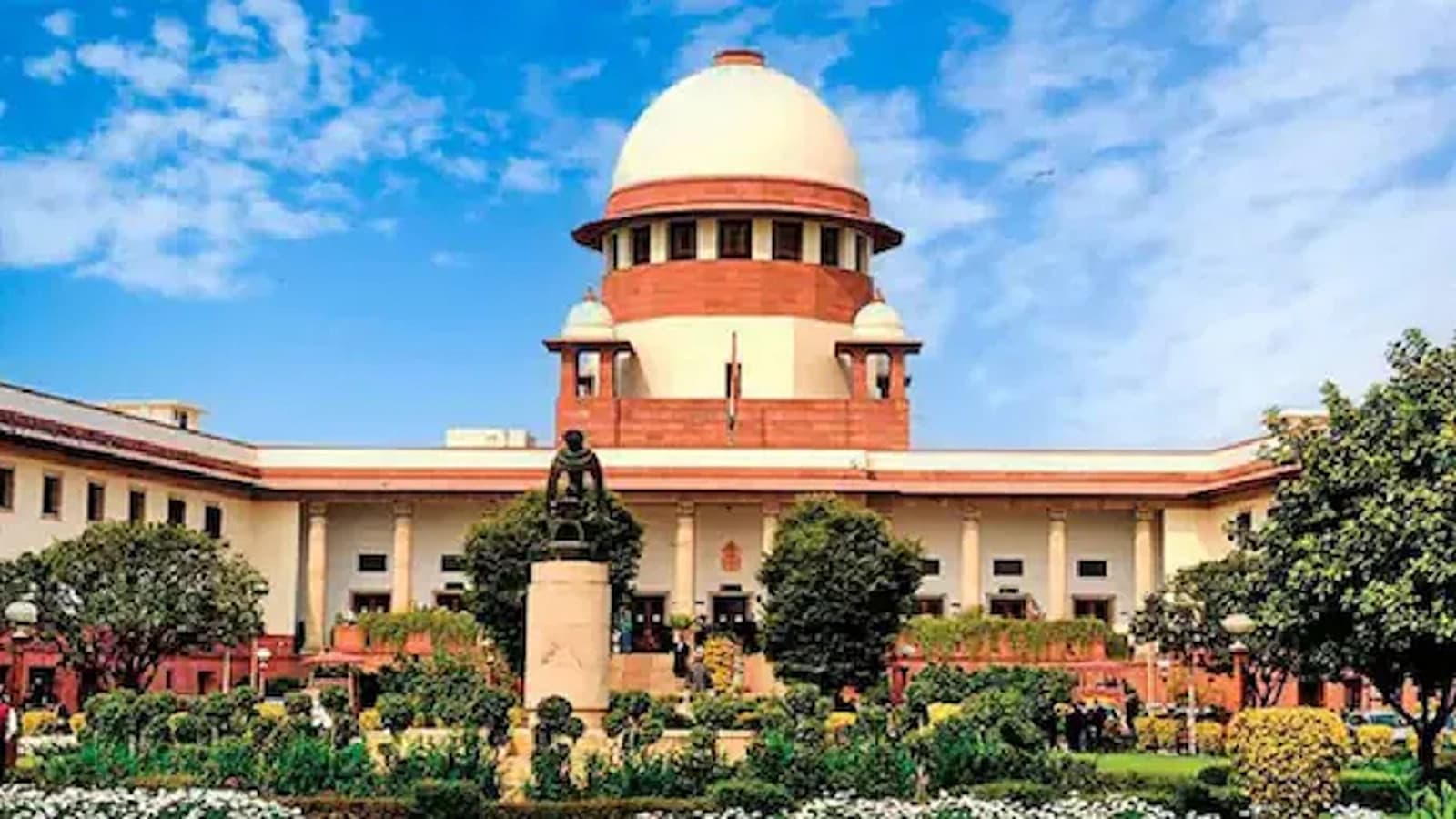
The Centre is considering a review of the UGC's 2026 equity regulations following legal challenges and concerns raised over their provisions.
The Centre is considering setting up a committee to review the University Grants Commission's (UGC) Equity Regulations, 2026, following months of protests, legal challenges and debate over their provisions on caste-based discrimination in higher education institutions. The development came during a Supreme Court hearing on November 5, when Solicitor General Tushar Mehta informed a bench headed by Chief Justice of India Surya Kant that the government was contemplating appointing a committee to reconsider the regulations.
The court emphasized that any revised framework must protect the interests of every student and ensure that no section of the student community feels excluded or threatened. The matter has been adjourned for four weeks to allow the Centre to examine the concerns. The proposed review comes at a time when the regulations have triggered disagreement among student groups, caste-based organizations and political parties, particularly in Uttar Pradesh, which is scheduled to hold Assembly elections in 2027.

Why Is the Centre Reviewing UGC Equity Regulations 2026?
The UGC notified the Promotion of Equity in Higher Education Institutions Regulations, 2026, on January 13, with the objective of preventing discrimination and improving support systems for students from disadvantaged communities. The regulations required universities, colleges and other higher education institutions to establish Equal Opportunity Centres and Equity Committees to address discrimination complaints.
However, some provisions attracted criticism, particularly Regulation 3(1)(c), which defines caste-based discrimination in relation to discrimination against members of Scheduled Castes (SC), Scheduled Tribes (ST) and Other Backward Classes (OBC). Petitioners argued that the definition did not provide equivalent specific protection to students belonging to the general category. They also raised concerns about the possibility of misuse of the complaint mechanisms.
At the same time, supporters of stronger equity regulations argued that universities need effective systems to address caste-based harassment and discrimination, particularly against historically marginalized communities. The disagreement eventually reached the Supreme Court.
Supreme Court Had Stayed the Regulations in January
On January 29, 2026, the Supreme Court stayed the implementation of the new UGC regulations after hearing petitions challenging their provisions. The bench raised concerns about the definition of caste-based discrimination, the possibility of misuse and whether the rules adequately protected students from different social backgrounds. The court also questioned provisions relating to segregation in hostels, classrooms and mentorship groups. Another concern was the omission of ragging as a specific form of discrimination under the regulations.
Following the interim order, the Supreme Court directed that the earlier UGC Equity Regulations, 2012, would continue to operate until further orders. The latest hearing on November 5 brought the issue back into focus, with the Centre indicating that it was considering a committee to examine the disputed provisions.
What Changes Were Proposed Under the 2026 UGC Rules?
The 2026 regulations aimed to strengthen the way universities handle discrimination complaints.
Some of their key provisions included:
Equal Opportunity Centres: Institutions were required to establish dedicated centres to promote equality and support disadvantaged students.
Equity Committees: These committees were intended to examine complaints and address discrimination within campuses.
Complaint mechanisms: Students were to receive institutional channels for reporting discriminatory treatment.
Institutional accountability: Universities and colleges were expected to take greater responsibility for promoting an inclusive academic environment.
The proposed framework was intended to strengthen the institutional response to discrimination. However, questions about the wording and scope of certain provisions became central to the legal challenge.
Rohith Vemula and Payal Tadvi Cases Behind the Regulations
The regulations also have a connection with two widely discussed cases involving alleged caste discrimination in higher education. Rohith Vemula, a research scholar at the University of Hyderabad, died by suicide in January 2016. His death triggered nationwide protests and renewed debate over caste discrimination on university campuses.In May 2019, Payal Tadvi, a postgraduate medical student at Mumbai's BYL Nair Hospital, also died by suicide. Her family alleged that she had faced caste-based harassment from senior colleagues.
The mothers of Rohith Vemula and Payal Tadvi approached the Supreme Court in 2019, seeking stronger safeguards against caste discrimination in educational institutions. Their petition became an important part of the legal background behind the development of stronger UGC equity regulations.
UGC Controversy Gains Political Attention Ahead of UP Elections 2027
The controversy has also entered political discussions, particularly in Uttar Pradesh, where caste representation remains an important part of electoral politics. According to reports, the regulations have created dissatisfaction among sections of the general-category community, with some groups questioning whether the rules offer equal protection to all students.
The issue has reportedly caused concerns within the BJP's Uttar Pradesh unit ahead of the 2027 Assembly elections. The Samajwadi Party, meanwhile, has continued its PDA outreach, which focuses on backward classes, Dalits and minorities, while also attempting to connect with other social groups.
However, the Centre has not officially linked its proposed review to electoral considerations. The stated reason before the Supreme Court was to address concerns and ensure that every student is protected.
The 2026 UGC Equity Regulations remain stayed. The 2012 framework continues to operate under the Supreme Court's interim direction. The proposed committee could examine the disputed provisions and suggest changes, but its formal composition, terms of reference and recommendations have not yet been announced.
The next hearing, expected after the four-week adjournment, will be important in determining how the government intends to proceed. The central challenge will be to develop rules that address caste-based discrimination effectively while ensuring fair complaint procedures and equal protection for students from every community. The debate has also raised a larger question about the responsibility of universities: how can educational institutions ensure that students receive equal opportunities and feel safe, regardless of their caste or social background? The Centre's proposed review may shape the future of anti-discrimination policies across India's higher education system.
UGC Equity Rules 2026: Centre Plans Review Committee After Supreme Court Intervention Amid Controversy

Shashi Tharoor Says US Midterm Results Won't Affect India-US Ties; Trump Retains Foreign Policy Powers

‘It’s actually very cut-throat’: 13-year-old wins New Zealand spelling bee title

Schoolchildren join desperate effort to save stranded whales on New Zealand coast

Nagaland AI Curriculum: Classes 6 to 3 Under Consideration
‘It’s actually very cut-throat’: 13-year-old wins New Zealand spelling bee title
Schoolchildren join desperate effort to save stranded whales on New Zealand coast

New Zealand school hostel shut down after damning inspection raises concerns over student welfare

Can AI blackboards change how mathematics is taught in India? China's new technology offers glimpse

Tamil Nadu renews NEET abolition demand, seeks Class 12 marks for medical admissions

UGC Equity Rules 2026: Centre Plans Review Committee After Supreme Court Intervention Amid Controversy
Shashi Tharoor Says US Midterm Results Won't Affect India-US Ties; Trump Retains Foreign Policy Powers
‘It’s actually very cut-throat’: 13-year-old wins New Zealand spelling bee title
Schoolchildren join desperate effort to save stranded whales on New Zealand coast
Nagaland AI Curriculum: Classes 6 to 3 Under Consideration
‘It’s actually very cut-throat’: 13-year-old wins New Zealand spelling bee title
Schoolchildren join desperate effort to save stranded whales on New Zealand coast
New Zealand school hostel shut down after damning inspection raises concerns over student welfare
Can AI blackboards change how mathematics is taught in India? China's new technology offers glimpse
Tamil Nadu renews NEET abolition demand, seeks Class 12 marks for medical admissions
Copyright© educationpost.in 2026 All Rights Reserved.