


Shashi Tharoor Says US Midterm Results Won't Affect India-US Ties; Trump Retains Foreign Policy Powers
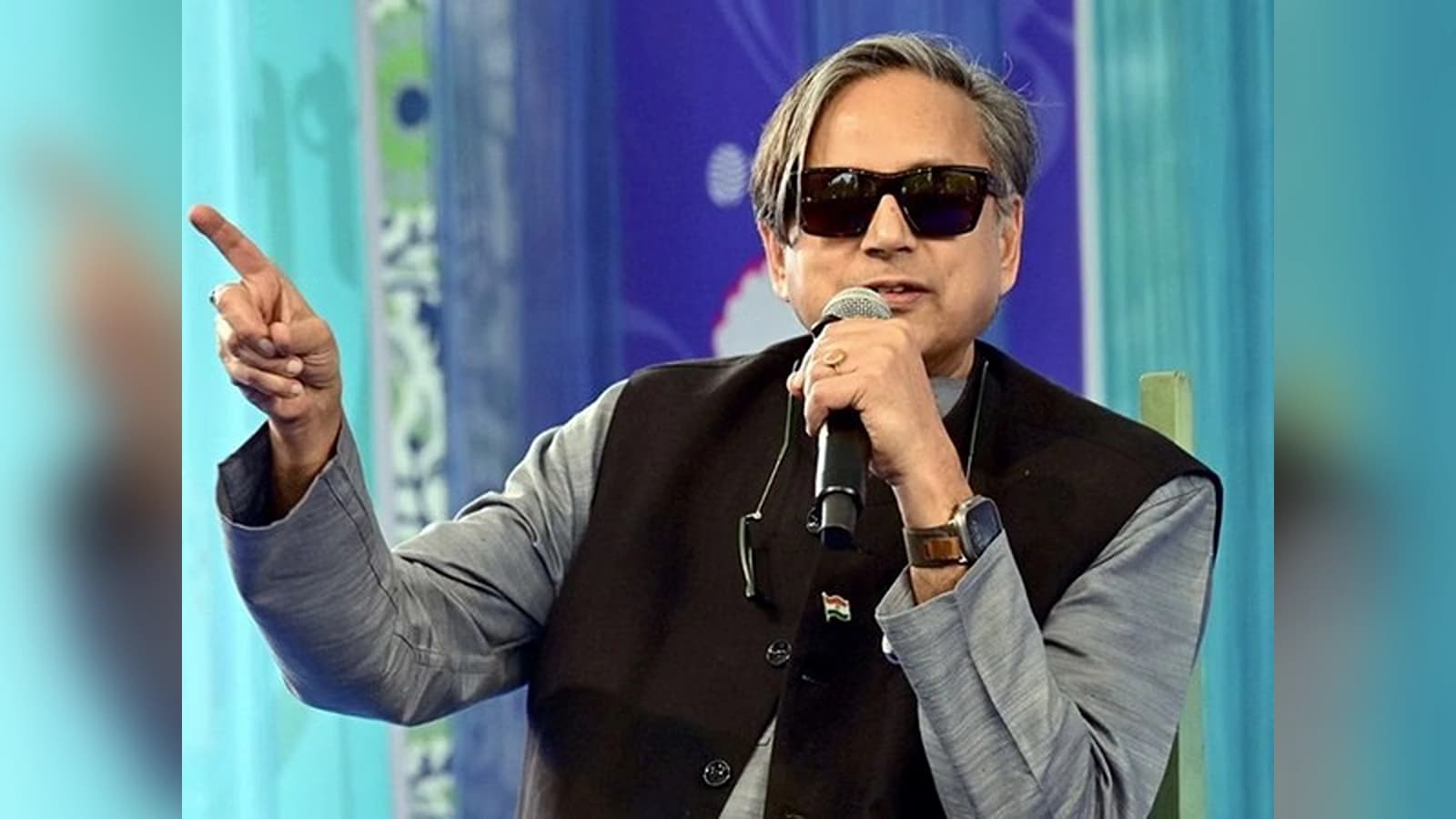
Congress MP Shashi Tharoor says the US midterm election results are unlikely to change India-US relations significantly.
The Democratic Party's strong performance in the 2026 US midterm elections may have changed the balance of political power in Washington, but it is unlikely to bring an immediate shift in America's relationship with India, Congress MP Shashi Tharoor has said. He believes US President Donald Trump continues to enjoy considerable freedom in foreign policy, despite the Republican Party's electoral setback.
Speaking about the election results, Tharoor explained that while Trump could face difficulties in pushing domestic legislation through Congress, his authority over international affairs remains largely intact. This includes decisions concerning trade tariffs, sanctions, the Iran conflict and the Russia-Ukraine war. His remarks come at a time when India and the US are trying to strengthen their economic relationship while managing disagreements over trade, energy security and international affairs.

Democrats' Election Gains Could Limit Trump's Domestic Agenda
The 2026 US midterm elections have delivered a significant setback to the Republican Party, with Democrats gaining control of both chambers of Congress, according to election coverage. The US Congress consists of the House of Representatives and the Senate. Both institutions play an important role in passing legislation, approving government spending and overseeing the administration.
Tharoor described Trump as a potential 'lame duck' president in domestic affairs, suggesting that passing major legislative proposals could become more difficult with Democrats controlling Congress. He also pointed out that the Senate's role in confirming important appointments, including ambassadors, could create additional challenges for the administration. However, the election results do not mean that Trump has lost his presidential powers. The US President continues to lead the executive branch and has significant authority over foreign policy.
Why Trump Still Has Power Over Foreign Policy
Under the US Constitution, the President plays a central role in managing international relations, directing diplomacy and serving as commander-in-chief of the armed forces. Although Congress has important powers over military funding, legislation and oversight, the President can take certain foreign policy and military decisions without seeking prior congressional approval.
Tharoor highlighted this distinction while discussing Trump's position after the midterm elections. The War Powers Resolution of 1973, however, places limits on the President's military authority. It generally requires the administration to notify Congress within 48 hours of introducing armed forces into hostilities. Military involvement is generally limited to 60 days without congressional authorization, followed by an additional 30-day withdrawal period in specified circumstances. Therefore, while Trump retains considerable freedom in foreign affairs, his decisions are not entirely beyond congressional control.
India-US Trade Relations: Why Trump's Tariff Policy Matters
Trade remains one of the most important areas of the India-US relationship. During 2025, tensions increased after the Trump administration imposed additional tariffs on Indian goods, with some products facing duties of up to 50%. The dispute was linked partly to India's continued purchases of Russian oil and disagreements over trade policies. However, both countries made efforts to improve economic ties in 2026.
On February 6, 2026, India and the US announced a framework for an interim trade agreement. Under the announced framework, Washington agreed to apply an 18% reciprocal tariff rate to specified Indian-origin goods and outlined the removal of additional tariffs linked to India's Russian oil purchases.
India, meanwhile, agreed to reduce or eliminate tariffs on several American industrial and agricultural products. The framework also included India's intention to purchase $500 billion worth of American energy products, aircraft, technology and other goods over five years. Despite these developments, negotiations towards a broader bilateral trade agreement have continued. A change in congressional control could increase political scrutiny of Trump's trade decisions and make certain legislative agreements more difficult. However, it does not automatically cancel existing executive trade measures.
Iran Conflict Raises Concerns for India's Strategic Interests
Tharoor also referred to Trump's authority over decisions concerning Iran and the wider regional conflict. The issue is important for India because its economic and strategic interests extend across West Asia. India has significant interests in regional energy supplies, trade routes and connectivity projects, including the Chabahar Port in Iran. Any escalation involving Iran could affect energy markets, shipping routes and India's regional economic interests.
The Trump administration has also used economic measures as part of its Iran policy. A February 2026 White House executive order established a mechanism to impose additional tariffs on imports from countries found to be purchasing Iranian goods or services. Such measures could create complications for countries that maintain economic relationships with Iran while also seeking stable trade relations with the United States. For India, managing these competing interests remains an important foreign policy challenge.
What Does the Election Result Mean for India?
Tharoor believes India should not expect an immediate change in its relationship with Washington simply because Democrats have gained control of Congress. The same Trump administration will continue to handle negotiations with New Delhi. Therefore, India's approach towards Washington will need to account for the President's existing powers and policy priorities. At the same time, a Democratic-controlled Congress could provide greater scrutiny of the administration's decisions.
This could influence discussions around trade agreements, government spending, diplomatic appointments and military operations. The election result may also have implications for Indian-origin communities in the United States. Tharoor suggested that the political setback for Republicans could improve the atmosphere for Indians living in America, particularly amid concerns over anti-immigrant and racist rhetoric during the election campaign.
The 2026 US midterm elections have changed the political environment in Washington, but they have not changed who occupies the White House. For India, the immediate priority remains maintaining stable relations with the United States while protecting its economic and strategic interests.
Trade negotiations, Russian oil purchases, Iran-related developments and regional security will continue to influence bilateral ties. Tharoor's assessment highlights an important distinction: losing political support in Congress does not automatically take away a US President's foreign policy powers. However, the growing influence of the opposition could make Trump's domestic and international decisions more politically challenging during the remaining years of his presidency.
UGC Equity Rules 2026: Centre Plans Review Committee After Supreme Court Intervention Amid Controversy

Shashi Tharoor Says US Midterm Results Won't Affect India-US Ties; Trump Retains Foreign Policy Powers

‘It’s actually very cut-throat’: 13-year-old wins New Zealand spelling bee title

Schoolchildren join desperate effort to save stranded whales on New Zealand coast

Nagaland AI Curriculum: Classes 6 to 3 Under Consideration
‘It’s actually very cut-throat’: 13-year-old wins New Zealand spelling bee title
Schoolchildren join desperate effort to save stranded whales on New Zealand coast

New Zealand school hostel shut down after damning inspection raises concerns over student welfare

Can AI blackboards change how mathematics is taught in India? China's new technology offers glimpse
Tamil Nadu renews NEET abolition demand, seeks Class 12 marks for medical admissions

UGC Equity Rules 2026: Centre Plans Review Committee After Supreme Court Intervention Amid Controversy
Shashi Tharoor Says US Midterm Results Won't Affect India-US Ties; Trump Retains Foreign Policy Powers
‘It’s actually very cut-throat’: 13-year-old wins New Zealand spelling bee title
Schoolchildren join desperate effort to save stranded whales on New Zealand coast
Nagaland AI Curriculum: Classes 6 to 3 Under Consideration
‘It’s actually very cut-throat’: 13-year-old wins New Zealand spelling bee title
Schoolchildren join desperate effort to save stranded whales on New Zealand coast
New Zealand school hostel shut down after damning inspection raises concerns over student welfare
Can AI blackboards change how mathematics is taught in India? China's new technology offers glimpse
Tamil Nadu renews NEET abolition demand, seeks Class 12 marks for medical admissions
Copyright© educationpost.in 2026 All Rights Reserved.