


The Nagaland government is planning to introduce artificial intelligence (AI) education in schools from Class 6, with the possibility of extending the programme to Class 3 in the future. The School Education Department is developing the proposed curriculum in collaboration with knowledge partners under Mission SOAR.
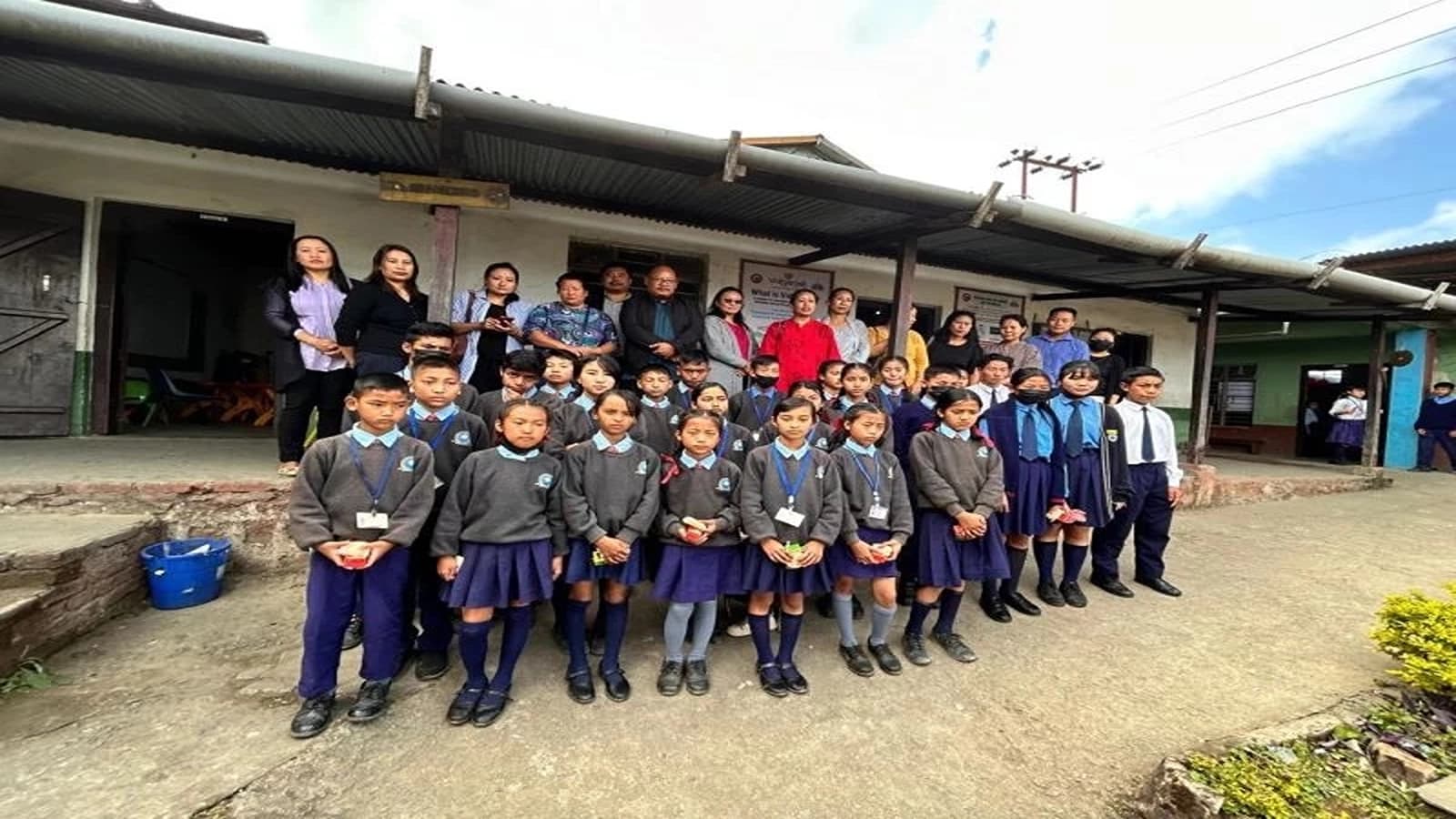
The initiative aims to familiarise students with emerging technologies and equip them with digital skills required for the changing education and employment landscape.According to an announcement by Dr Kekhrielhoulie Yhome, Advisor for School Education and SCERT, the department has already started testing AI-based education in three government schools.
These include Government Middle School (GMS) Forest Colony, Government Higher Secondary School (GHSS) Sovima and GHSS Jotsoma.The pilot programme was launched approximately two weeks before the November 5 announcement. The department will evaluate its initial response and learning outcomes before deciding on wider implementation.

The proposed introduction of AI education will require adequate digital infrastructure, including reliable internet connectivity and access to devices such as Chromebooks.Yhome said the department was also working towards developing a state-level policy covering AI safety protocols to ensure that students use emerging technologies responsibly.
The government is exploring supervised AI-based learning tools to support students in developing digital competencies. The department is also considering satellite-based internet connectivity to improve access to digital education in remote areas where conventional internet services remain unreliable.
Alongside technology integration, the state government has identified three major priorities for improving school education: infrastructure development, human resource management and curriculum improvement.Yhome acknowledged that several government school buildings were in poor condition, with some reportedly not receiving repairs since the 1980s.
He emphasised that students should not have to wait for infrastructure improvements to access quality education.The department also plans to strengthen teacher management and explore ways to address challenges associated with an ageing teaching workforce.
Nagaland has initially set a target of engaging 1,000 students under the 'One Million Voices' initiative, which seeks to understand the aspirations and concerns of young people and incorporate their perspectives into education reforms.The state may increase its participation target to 2,500 students to gather a broader understanding of educational challenges.
The nationwide initiative, under the Shikshagraha movement, aims to collect the views of one million young people aged 12 to 25 on the future of education.The campaign focuses on five dimensions of future readiness: agency, awareness, connectedness, well-being and continuous learning.The findings are expected to contribute to discussions on education reforms at a national-level gathering in Bengaluru in February 2027.
The state government is also looking to strengthen vocational education by connecting classroom learning with employment opportunities.Yhome highlighted the importance of incorporating modern agricultural practices, sustainable farming techniques and indigenous knowledge into school curricula, considering the significant dependence of Nagaland's population on agriculture.
Nagaland has approximately 4.3 lakh students enrolled in its school education system, from pre-primary to Class 12. The department is also considering reaching out to college students as part of the wider education consultation process.

UGC Equity Rules 2026: Centre Plans Review Committee After Supreme Court Intervention Amid Controversy

Shashi Tharoor Says US Midterm Results Won't Affect India-US Ties; Trump Retains Foreign Policy Powers

‘It’s actually very cut-throat’: 13-year-old wins New Zealand spelling bee title

Schoolchildren join desperate effort to save stranded whales on New Zealand coast
Nagaland AI Curriculum: Classes 6 to 3 Under Consideration
‘It’s actually very cut-throat’: 13-year-old wins New Zealand spelling bee title
Schoolchildren join desperate effort to save stranded whales on New Zealand coast

New Zealand school hostel shut down after damning inspection raises concerns over student welfare

Can AI blackboards change how mathematics is taught in India? China's new technology offers glimpse

Tamil Nadu renews NEET abolition demand, seeks Class 12 marks for medical admissions

UGC Equity Rules 2026: Centre Plans Review Committee After Supreme Court Intervention Amid Controversy
Shashi Tharoor Says US Midterm Results Won't Affect India-US Ties; Trump Retains Foreign Policy Powers
‘It’s actually very cut-throat’: 13-year-old wins New Zealand spelling bee title
Schoolchildren join desperate effort to save stranded whales on New Zealand coast
Nagaland AI Curriculum: Classes 6 to 3 Under Consideration
‘It’s actually very cut-throat’: 13-year-old wins New Zealand spelling bee title
Schoolchildren join desperate effort to save stranded whales on New Zealand coast
New Zealand school hostel shut down after damning inspection raises concerns over student welfare
Can AI blackboards change how mathematics is taught in India? China's new technology offers glimpse
Tamil Nadu renews NEET abolition demand, seeks Class 12 marks for medical admissions
Copyright© educationpost.in 2026 All Rights Reserved.