


Schools across Ganjam resumed operations on November 9 after prolonged disruption caused by floods following Cyclone Arnab, while six government institutions remain closed for restoration work
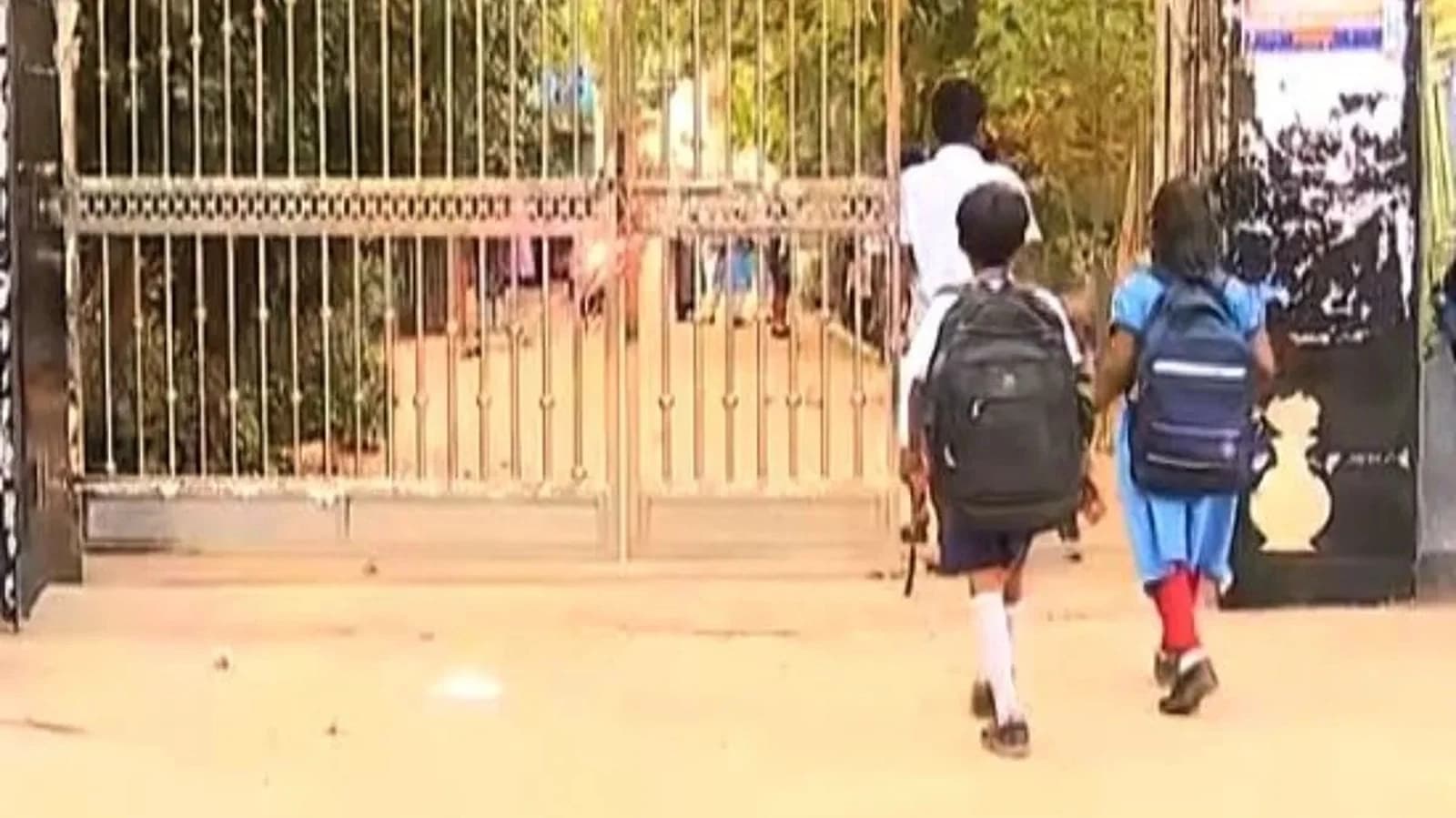
Schools in Odisha's flood-affected Ganjam district reopened on Monday, November 9, after remaining closed for 23 days due to the Durga Puja vacation and subsequent flooding triggered by Cyclone Arnab, officials said.However, the district administration has extended the closure of six government-run schools until Tuesday, November 10, as repair and restoration activities are yet to be completed. Five of these schools are located in Aska block, while one is in Sorada block.
According to officials, the decision to reopen schools was taken after restoration work progressed across the district. Educational activities have resumed in most institutions, although some schools are continuing to operate from alternative locations.

To ensure that students can continue their education while damaged school buildings undergo restoration, classes from nine affected schools are temporarily being conducted at nearby educational institutions.Ganjam District Education Officer Ajay Kumar Patra said the temporary arrangement would remain in place until the necessary restoration work is completed. The administration expects the repair activities to be finished soon.The affected schools are located in Dharakote, Kabisurya Nagar, Bellaguntha, Patrapur, Sheragada and Sorada blocks.
The floods caused extensive damage to educational infrastructure across Ganjam district. According to preliminary assessments, 498 out of 3,890 government-run schools were affected.The damage included classrooms, school boundary walls and other facilities. Several institutions also reported damage to computer systems, science laboratories, library books, textbooks, sports equipment and food supplies stored for the mid-day meal programme.Schools in Aska, Dharakote and Purushottampur blocks were among the worst affected areas.
The Odisha government has decided to provide textbooks to students whose schools and educational materials were affected by the floods.According to the district education officials, the distribution of textbooks for Classes 9 and 10 was scheduled to begin on November 10. The government has provided approximately 56,000 textbooks for students in these two classes.
Priority will be given to students studying in schools that were severely affected by the flooding. Textbook distribution for other classes and institutions will take place in subsequent phases.The reopening of schools is an important step towards restoring normal academic activities in Ganjam. However, the temporary relocation of classes and ongoing repairs indicate that several institutions still require infrastructure restoration before regular operations can fully resume.

Karnataka plans English-medium sections in all govt schools while retaining Kannada classes

Australian universities oppose proposed expansion of higher education regulator's powers
Odisha Schools Reopen After 23 Days in Flood-Hit Ganjam; Six Government Schools Remain Closed
India-US Plan Joint Crackdown on Global Drug Cartels: Synthetic Drugs and Chemical Supply Chains in Focus

NCERT, SCERT Organise 5-Day NISHTHA Training Programme for Teachers and School Heads
Karnataka plans English-medium sections in all govt schools while retaining Kannada classes
India-US Plan Joint Crackdown on Global Drug Cartels: Synthetic Drugs and Chemical Supply Chains in Focus

Facing risk of losing ancient knowledge, China establishes rare disciplines school

From smart classrooms to surveillance concerns: Why China's Nanjing University rolled back AI feature

Screen time concerns shape Japan's digital textbook policy, printed books to remain primary

Karnataka plans English-medium sections in all govt schools while retaining Kannada classes
Australian universities oppose proposed expansion of higher education regulator's powers
Odisha Schools Reopen After 23 Days in Flood-Hit Ganjam; Six Government Schools Remain Closed
India-US Plan Joint Crackdown on Global Drug Cartels: Synthetic Drugs and Chemical Supply Chains in Focus
NCERT, SCERT Organise 5-Day NISHTHA Training Programme for Teachers and School Heads
Karnataka plans English-medium sections in all govt schools while retaining Kannada classes
India-US Plan Joint Crackdown on Global Drug Cartels: Synthetic Drugs and Chemical Supply Chains in Focus
Facing risk of losing ancient knowledge, China establishes rare disciplines school
From smart classrooms to surveillance concerns: Why China's Nanjing University rolled back AI feature
Screen time concerns shape Japan's digital textbook policy, printed books to remain primary
Copyright© educationpost.in 2026 All Rights Reserved.