


A World Bank report highlights the link between education and poverty in India, while raising concerns over child poverty, youth unemployment and stagnant real wages.
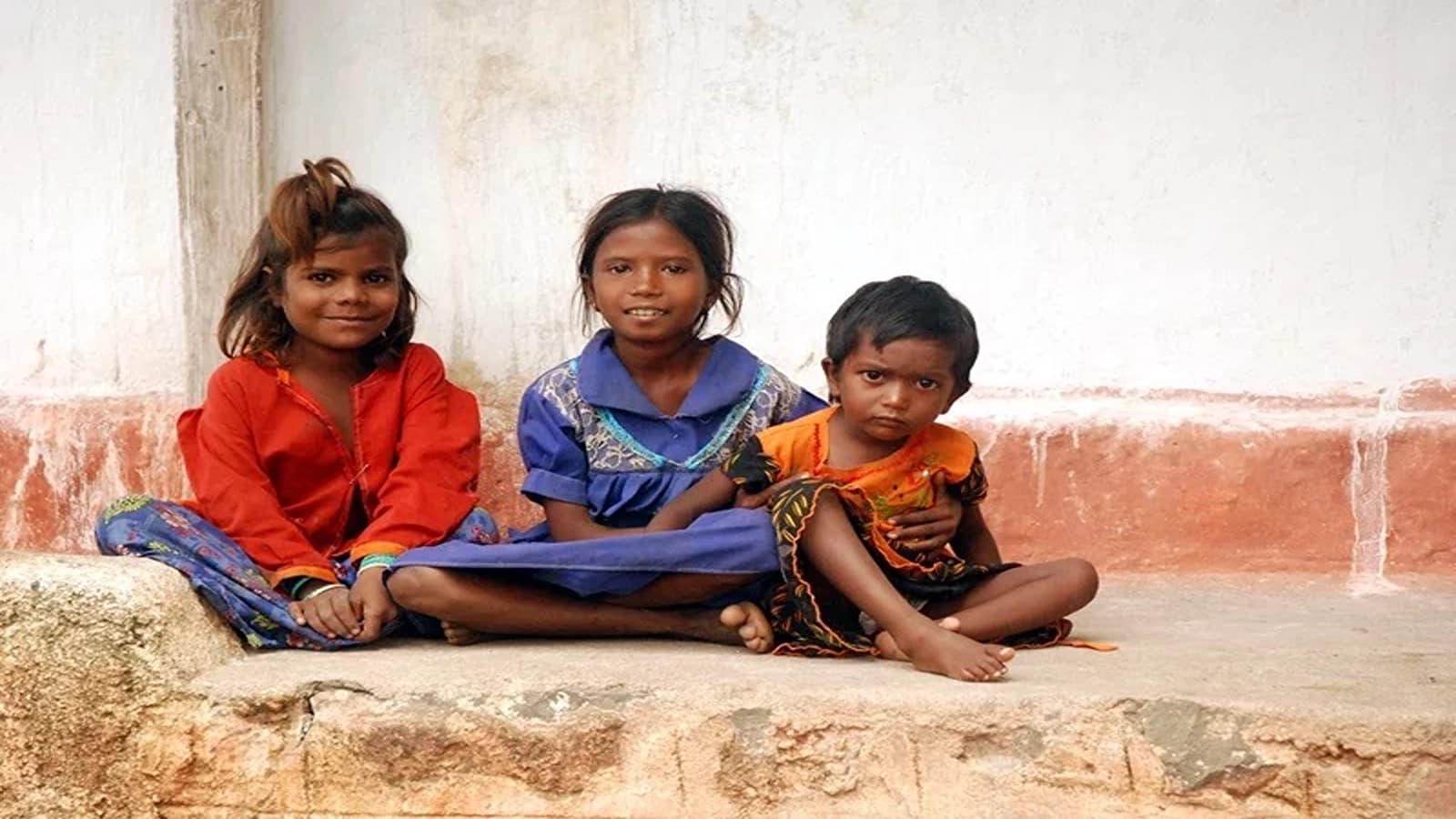
Nearly one in five children below the age of 14 in India lives below the poverty line, while adults without formal education face a significantly higher risk of poverty than those with higher educational qualifications, according to the World Bank's October 2026 Poverty and Equity Brief.
The report estimates that 21.8% of children aged 0 to 14 were living below the lower-middle-income poverty threshold in 2023. Among adults aged 16 and above without any formal education, the poverty rate stood at 21.3%, compared with 17.3% among those with primary education, 14% among people with secondary education and 7.4% among those with tertiary or post-secondary education.

The findings underline the importance of access to education in improving living standards and reducing economic vulnerability. They also highlight the continuing challenges faced by children and households with limited educational opportunities.
The World Bank report identifies a clear relationship between educational attainment and poverty levels in India.
In 2023, more than one-fifth of adults aged 16 and above who had no formal education were living below the international lower-middle-income poverty line of $4.20 per person per day, measured in 2021 purchasing power parity (PPP).
The corresponding poverty rates were:
No formal education: 21.3%
Primary education: 17.3%
Secondary education: 14%
Tertiary or post-secondary education: 7.4%
The figures indicate that people with higher educational qualifications are less likely to experience poverty than those without formal schooling.
The report also found that 13.8% of India's population lived in households where no adult had completed primary education, highlighting the continuing gap in access to basic education.
Children remain particularly vulnerable to economic hardship in India. According to the World Bank, the poverty rate among children aged 0 to 14 was 21.8% in 2023.
This was higher than the corresponding figures for other age groups:
Children aged 0–14: 21.8%
Adults aged 15–64: 14.4%
People aged 65 and above: 14%
The findings highlight the importance of improving access to education, nutrition, healthcare and social protection for children from economically disadvantaged households.
The report also points to a considerable difference in poverty levels between rural and urban India.
In 2023, the poverty rate in rural areas was 19.3%, more than twice the 8.6% recorded in urban areas.
Limited access to quality employment, infrastructure and essential services continues to create economic challenges for many rural households.
The World Bank has also highlighted the concentration of poverty in a geographical belt stretching from Uttar Pradesh to West Bengal, which accounts for a substantial share of India's poor population.
While India has recorded substantial employment growth, the World Bank has raised concerns about unemployment among young people and the quality of jobs being created.
According to the report, youth unemployment increased from 14.6% in the first quarter of the 2025-26 financial year to 15.9% in the first quarter of FY2027. Rural young women were particularly affected by the rise.
India added approximately 134 million jobs between 2017 and 2023, nearly twice the increase in its working-age population.
However, the increase in employment has not translated into a comparable improvement in workers' earnings. The report noted that real wages remained broadly unchanged, while a significant share of new employment was concentrated in relatively low-productivity activities.
This suggests that generating more jobs is not sufficient on its own; improving job quality, productivity and income growth is equally important.
Despite the challenges, India has made considerable progress in reducing poverty over the past decade.
According to the World Bank, the proportion of India's population living below the lower-middle-income poverty line of $4.20 per person per day declined from 57.7% in 2011 to 16.1% in 2023. An estimated 496 million people moved above this poverty threshold during the period.
Extreme poverty also declined substantially. At the international extreme poverty threshold of $3 per person per day, the poverty rate fell from 27.1% in 2011 to 2.6% in 2023.
The World Bank has attributed the improvement to several factors, including increased household consumption, employment growth, particularly among women, and wider coverage of social protection measures such as food subsidies.
The World Bank expects India's poverty rate at the $4.20-a-day threshold to decline further in the coming years, although the pace of improvement may moderate.
Its projections indicate that the poverty rate could decrease from 14.2% in 2026 to 12.1% by 2028.
However, the report emphasises the need for more productive employment opportunities, better earnings and continued investment in education and social protection.
The findings suggest that sustaining poverty reduction will require not only creating employment but also ensuring that workers have access to stable jobs, better wages and opportunities to improve their skills.

Can Six Years of MBBS Abroad Still Leave Indian Students Unable to Practise in India?

What kind of future are schools preparing children for? Singapore educators explore question
1 in 5 Indian Children Live in Poverty; Poverty Rate Highest at 21.3% Among Adults Without Education: World Bank

Gujarat Makes Mental Health Support and Counsellors Mandatory in Schools to Prevent Student Suicides
Chennai, Tiruvallur Schools Closed Today, November 2, Due to Cyclone Murasu; Check Rain Alert and Holiday Details
Can Six Years of MBBS Abroad Still Leave Indian Students Unable to Practise in India?
What kind of future are schools preparing children for? Singapore educators explore question

Two universities, two countries, one academic bridge: China and Egypt launch joint faculty
Missed CLAT 2027 registration? Consortium extends application deadline for law aspirants
Who sets, secures and conducts exams? Centre considers separating responsibilities to prevent leaks

Can Six Years of MBBS Abroad Still Leave Indian Students Unable to Practise in India?
What kind of future are schools preparing children for? Singapore educators explore question
1 in 5 Indian Children Live in Poverty; Poverty Rate Highest at 21.3% Among Adults Without Education: World Bank
Gujarat Makes Mental Health Support and Counsellors Mandatory in Schools to Prevent Student Suicides
Chennai, Tiruvallur Schools Closed Today, November 2, Due to Cyclone Murasu; Check Rain Alert and Holiday Details
Can Six Years of MBBS Abroad Still Leave Indian Students Unable to Practise in India?
What kind of future are schools preparing children for? Singapore educators explore question
Two universities, two countries, one academic bridge: China and Egypt launch joint faculty
Missed CLAT 2027 registration? Consortium extends application deadline for law aspirants
Who sets, secures and conducts exams? Centre considers separating responsibilities to prevent leaks
Copyright© educationpost.in 2026 All Rights Reserved.