


The Bihar government will introduce one regional language for students of Classes 1 and 2 in state-run schools, with SCERT preparing textbooks in six languages.
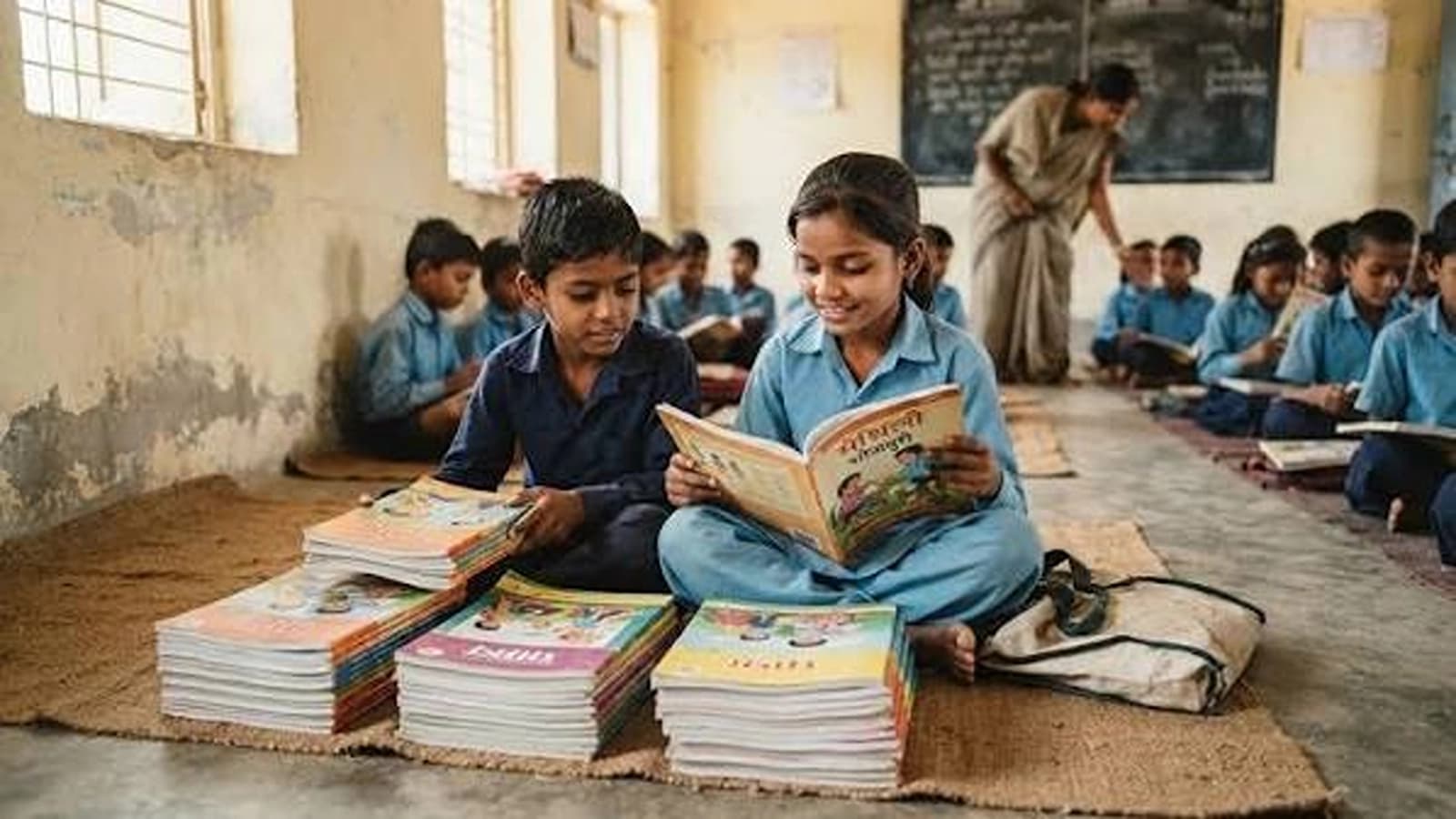
The Bihar government has decided to introduce regional languages in the primary school curriculum from the next academic session, beginning in 2027. Under the initiative, students of Classes 1 and 2 in government-run schools will study one regional language based on the state's linguistic diversity.
The initiative will cover six regional languages: Bhojpuri, Magahi, Surjapuri, Bajjika, Maithili and Angika. Bihar Education Minister Mithilesh Tiwary announced the decision, stating that the move aims to strengthen mother-tongue-based education at the foundational level in accordance with the National Education Policy (NEP) 2020.

The State Council of Educational Research and Training (SCERT), Bihar, has been assigned the responsibility of developing textbooks in these six languages. The learning materials are being prepared with the participation of teachers and language experts.According to the announcement, the initiative will initially cover Classes 1 and 2 across state-run schools. The government also plans to extend the programme to Classes 3 to 5 in a subsequent phase.
SCERT will prepare textbooks in the following six regional languages for primary school students:
| S No. | Regional language |
|---|---|
| 1 | Bhojpuri |
| 2 | Magahi |
| 3 | Surjapuri |
| 4 | Bajjika |
| 5 | Maithili |
| 6 | Angika |
These textbooks will help children learn through languages they are familiar with in their homes and communities. The content is being developed in consultation with teachers and experts to make the material suitable for young learners.
SCERT Director Yatendra Kumar Pal has confirmed that the council has started developing textbooks in all six regional languages for Classes 1 and 2.The textbook preparation process involves teachers and experts who have knowledge of the respective languages. SCERT has also organised a workshop to discuss and finalise the learning material. Two additional workshops are planned as part of the content-development process.
Jainendra Kumar Dost, an SCERT lecturer coordinating the workshops, said the initiative is intended to help children acquire knowledge through familiar regional languages and connect more naturally with the school environment.The textbooks are expected to be introduced from the next academic session.
The state government intends to expand the programme beyond the initial two classes. According to Education Minister Mithilesh Tiwary, students of Classes 3, 4 and 5 will also be covered in a subsequent phase.
SCERT will develop textbooks for these grades in the selected regional languages. However, a specific implementation date for the expansion has not yet been announced.The proposed expansion is expected to increase access to regional-language learning materials across the primary education system.
The decision is aligned with the National Education Policy (NEP) 2020, which encourages the use of children's home languages, mother tongues and regional languages in early education.Under Paragraph 4.11 of NEP 2020, the policy recommends that, wherever possible, the medium of instruction should be the home language, mother tongue or local or regional language until at least Grade 5, and preferably until Grade 8 and beyond.
The Ministry of Education reiterated this approach in a July 2026 press release, highlighting the importance of mother-tongue-based education in improving children's understanding and participation in classrooms.The Bihar initiative is also linked to the recommendations of the National Curriculum Framework for School Education 2023, which emphasises the importance of using familiar languages to develop foundational literacy and learning abilities.
Introducing familiar regional languages into early classroom learning is expected to help children connect their home environment with school education.
The initiative aims to:
According to SCERT representatives, the programme will also provide students opportunities to learn about their local surroundings, including agriculture, occupations, festivals and cultural practices.
Google invests over US$6 million in AI research and education initiatives in Singapore
Bihar Schools to Introduce Maithili, Bhojpuri, Magahi and Four Other Regional Languages from 2027
Bihar Schools to Introduce Six Regional Languages in Classes 1 and 2 From 2026-27: Bhojpuri, Maithili, Magahi Among Them
Delhi High Court Seeks CBSE, NCERT Response on Calculator Use in Class 12 Board Exams
Manipur Board Practical Exam 2027: Class 11, 12 Schedule Released; Exams to Begin in January
Google invests over US$6 million in AI research and education initiatives in Singapore

Cabinet Approves ₹4,371 Crore VISTAR Scheme to Modernize India's Statistical System
AI tutor outperforms classroom learning in US university trial, OECD report finds

Why will students lose Google Search access if schools reject Google's AI tools? Company announces new rules

Australian experts back school digital detox as concerns grow over AI and screen use

Google invests over US$6 million in AI research and education initiatives in Singapore
Bihar Schools to Introduce Maithili, Bhojpuri, Magahi and Four Other Regional Languages from 2027
Bihar Schools to Introduce Six Regional Languages in Classes 1 and 2 From 2026-27: Bhojpuri, Maithili, Magahi Among Them
Delhi High Court Seeks CBSE, NCERT Response on Calculator Use in Class 12 Board Exams
Manipur Board Practical Exam 2027: Class 11, 12 Schedule Released; Exams to Begin in January
Google invests over US$6 million in AI research and education initiatives in Singapore
Cabinet Approves ₹4,371 Crore VISTAR Scheme to Modernize India's Statistical System
AI tutor outperforms classroom learning in US university trial, OECD report finds
Why will students lose Google Search access if schools reject Google's AI tools? Company announces new rules
Australian experts back school digital detox as concerns grow over AI and screen use
Copyright© educationpost.in 2026 All Rights Reserved.