


Google's revised policy links Search availability with AI adoption, while educators, parents and child development experts raise concerns over student safety, critical thinking and schools' freedom to reject the technology.
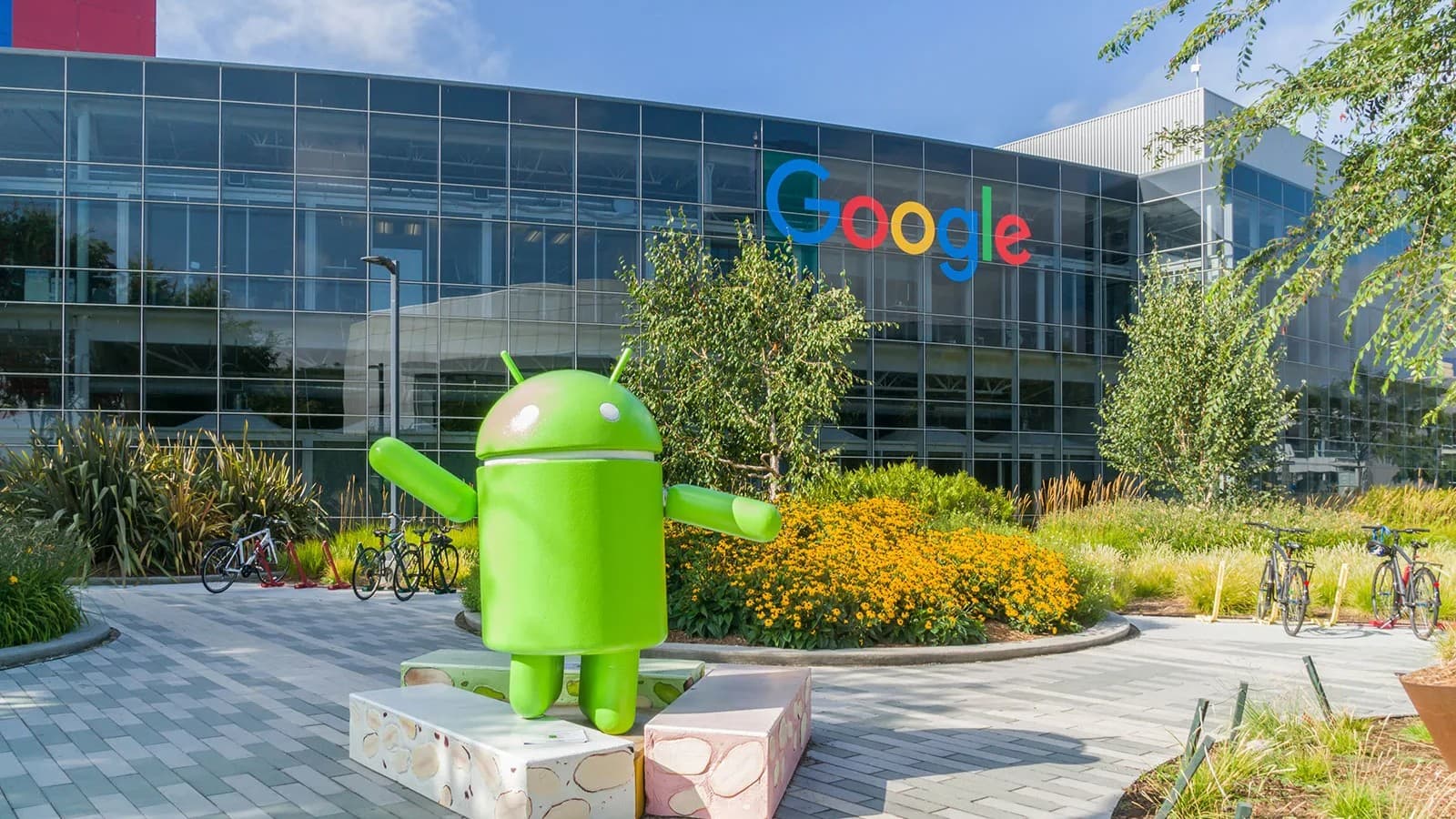
Google is linking access to its search engine with the use of artificial intelligence (AI) tools in schools, requiring administrators to enable the company's AI products before students can continue using Google Search through their school accounts.
The technology company announced the policy change alongside a series of new AI products for classrooms and schools. It also introduced additional controls that will allow teachers and school administrators to manage, limit or completely restrict students' access to these tools.

Under the revised approach, school administrators will no longer have AI tools enabled by default. Instead, they will have to explicitly activate access to Google's AI products. Schools that choose not to enable these tools will also lose access to Google Search through student accounts.
"After listening to schools, teachers, leading researchers, and policymakers, we are now updating our approach to controls for Gemini, Gemini Notebook, Gemini in Classroom, and Google Search," Chris Phillips, Google's vice president and general manager of education, said in a blog post.
"Access to these products will be entirely off for K-12 student accounts until school administrators explicitly turn them on," he added.
The policy revision comes as Google faces increasing criticism from educators, child development experts and parents over the growing presence of its technology in schools.
According to the Associated Press (AP), concerns have intensified since the company announced in August that it had enabled its Gemini chatbot for many K-12 students using Google Classroom.
The latest changes will give school administrators greater authority over how Google's AI products are used in educational settings.
However, the company's decision to connect access to its search engine with AI adoption has raised concerns about whether schools will have a genuine choice to reject these tools without losing access to other essential digital services.
Phillips said Google would provide schools with more information about the revised controls in the coming months. He also emphasized that the company wants educational institutions to decide how its AI products should be used in classrooms.
"Our goal is simple: provide school leaders the control and confidence to use AI products in classrooms as they see fit," he said.
Google says AI and Search are closely connected
Explaining the link between Google Search and its AI products, Phillips told The New York Times that the search engine could not be separated from the company's artificial intelligence technology.
"Search and AI are deeply integrated," Phillips said.
He further explained that schools imposing a blanket restriction on AI tools would also prevent students from using Google Search through their school accounts. In such cases, students "will not have access to search, and they will see a message from their school that indicates it's not available," he said.
New York City mayor raises concerns over Google's search dominance
Google's revised policy has also drawn attention amid growing efforts by some education authorities to restrict generative AI in schools.
According to The Guardian, New York City Mayor Zohran Mamdani recently introduced a one-year moratorium on generative AI tools in city schools through eighth grade.
Mamdani criticized Google's latest approach, accusing the company of exploiting its near-total control over online search. His concerns center on the implications of linking access to a widely used search engine with schools' decisions about adopting AI technology.
Children's rights group criticizes Google's AI policy
The company's decision has also faced criticism from children's rights advocates, who have questioned the impact of introducing AI tools into school environments.
Josh Golin, executive director of children's advocacy group Fairplay, told AP Newsroom that Google's attempt to "strong-arm schools into using its AI products is likely to backfire."
He argued that the company's expansion of technology in educational institutions was not primarily focused on improving learning outcomes. Instead, he described it as an attempt at "developing lifetime brand loyalty" for its products.
"Because AI is not safe for kids and undermines education and critical thinking, schools should turn off Google's AI tools the minute that option becomes available," Golin said in a statement.
The criticism adds to the debate over the role of generative AI in education, particularly concerning students' exposure to the technology, its influence on critical thinking and the extent to which schools should control access to AI-powered platforms.

HABIT Foundation Hosts INNOVATE 2026 in Mumbai to Showcase Student Innovations and Prototypes

Want to prepare for married life? Goa college introduces a certificate course on relationships

Vedanta Power Wins Two India CSR Awards 2026 for Healthcare and Agricultural Development

University of Cumbria appoints Susan Foyle as honorary Professor of Practice

NCTE forms panel to include ITEP graduates in CTET, STET eligibility criteria
Want to prepare for married life? Goa college introduces a certificate course on relationships
NCTE forms panel to include ITEP graduates in CTET, STET eligibility criteria

Australia to introduce Holocaust and Jewish history lessons in 2027 curriculum overhaul

India Launches Three Homegrown AI Models; Dhīr 2B and 5B Can Work Without Internet

IIT Delhi announces new measures to strengthen student mental health support system

HABIT Foundation Hosts INNOVATE 2026 in Mumbai to Showcase Student Innovations and Prototypes
Want to prepare for married life? Goa college introduces a certificate course on relationships
Vedanta Power Wins Two India CSR Awards 2026 for Healthcare and Agricultural Development
University of Cumbria appoints Susan Foyle as honorary Professor of Practice
NCTE forms panel to include ITEP graduates in CTET, STET eligibility criteria
Want to prepare for married life? Goa college introduces a certificate course on relationships
NCTE forms panel to include ITEP graduates in CTET, STET eligibility criteria
Australia to introduce Holocaust and Jewish history lessons in 2027 curriculum overhaul
India Launches Three Homegrown AI Models; Dhīr 2B and 5B Can Work Without Internet
IIT Delhi announces new measures to strengthen student mental health support system
Copyright© educationpost.in 2026 All Rights Reserved.