


Educators and psychologists call for tighter classroom technology controls, warning excessive screen time and poorly managed AI use could weaken children's attention, learning and critical thinking.

Australian schools are moving to restrict students’ use of AI and screen time as part of a proposed national digital detox. Photo: Joanna Kordina/AAP photo
Australian education experts have backed a proposed national digital detox in schools, calling for tighter controls on screen time and artificial intelligence (AI) as concerns grow over the impact of excessive technology use on children's learning and cognitive development.
The push follows mounting evidence that digital tools, when used without clear educational purpose, can undermine essential learning skills and weaken the teacher's role in the classroom. Education Minister Jason Clare has acknowledged the growing problem, warning that excessive screen exposure is damaging children's ability to concentrate and turning them into "zombies".

Speaking at the McKell Institute at the University of NSW on Thursday, Clare announced a series of curriculum reforms alongside a broader push to reconsider the role of technology in schools. The changes include mandatory lessons on democracy, Jewish contributions to Australian society and financial literacy. Drawing a comparison with early mathematics education, Clare said children needed to develop foundational skills before relying on digital tools. "There's a reason we don't give kids a calculator in kindergarten. They have got to learn how to count before we give them tools to do it at speed," he said.
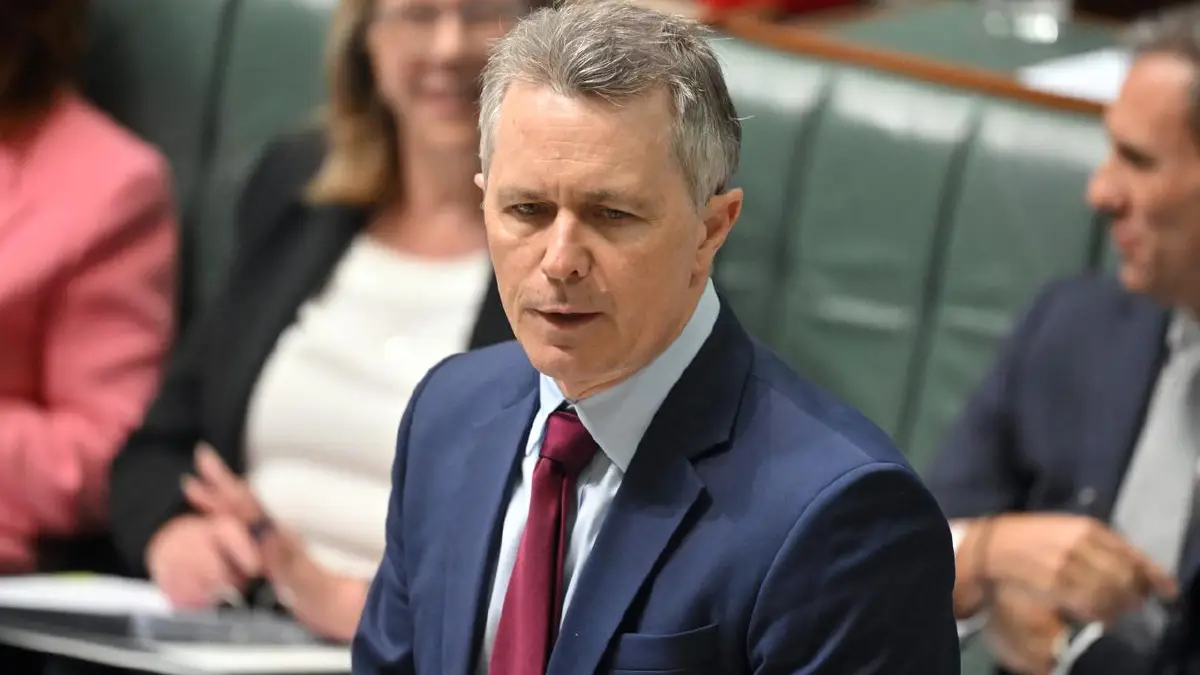
He acknowledged that schools had long viewed tablets and laptops as essential learning tools but said emerging evidence suggested that assumption needed to be reconsidered. Global testing in September showed Australian students recording their worst-ever results, while spending an average of almost 2.6 hours a day on screens, compared with the OECD average of 1.7 hours.
The proposed digital detox will focus on reducing the use of generative AI tools, including ChatGPT, in primary schools and limiting their role in high school assessments. However, some states remain unconvinced that more stringent restrictions are necessary. University of Technology Sydney academic Leslie Loble said schools needed to adopt a measured approach rather than impose a blanket ban on classroom technology.
She argued that AI skills should be introduced gradually and with a clear educational purpose, particularly for younger students who are still developing the cognitive foundations needed for independent learning. "It's quite useful to tap the brakes ... the more you use AI, the more if it's not used in the right way, it can undermine core cognitive processes, and then makes us use it more and more," Loble was quoted as saying by Australian Associated Press.
She said excessive dependence on AI posed a particular risk to younger learners, whose ability to develop knowledge, reasoning and essential learning skills was still taking shape. Loble also stressed that teachers needed adequate support and training to ensure technology strengthened classroom instruction rather than displaced meaningful teaching.
"Teachers are always the most important ingredient in effective learning, and they remain ever more important in an AI age. Humans learn best from humans," she said. Psychologist Michael Carr-Gregg raised similar concerns, warning that both students and teachers had become dangerously dependent on digital devices and AI. He pointed to teachers standing at the back of classrooms to monitor students' screens as evidence that technology was increasingly competing with teaching rather than supporting it.
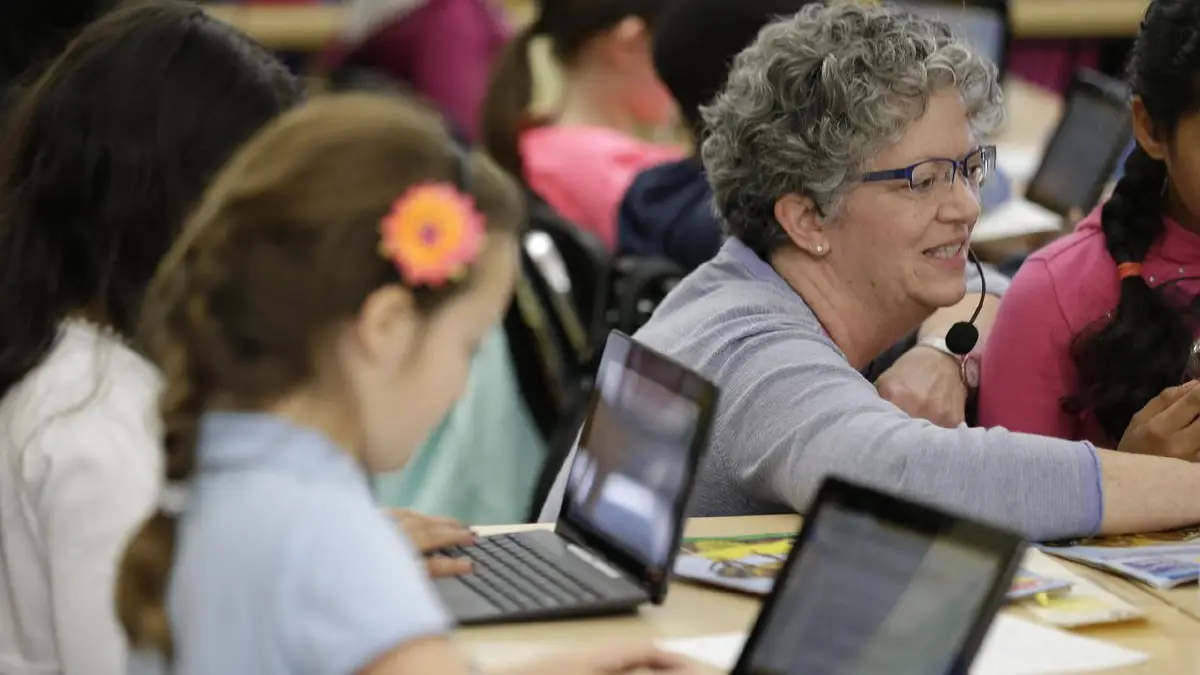
"That tells you the device has become the competitor to the lesson, not the tool for it," he said. A task force will examine how states and territories can strengthen regulations governing screen use in classrooms. It is expected to report three times in 2027. Carr-Gregg urged authorities to move quickly and ensure students and parents were involved in shaping the proposed measures.
The reforms received approval at a meeting of state and federal education ministers recently, with Clare noting that some jurisdictions had already introduced limits on classroom screen use. As part of the broader shift, Year 5 NAPLAN testing will return to pen and paper. The Australian Curriculum, Assessment and Reporting Authority (ACARA) is also considering a NSW proposal to remove screens from the national assessment programme altogether.
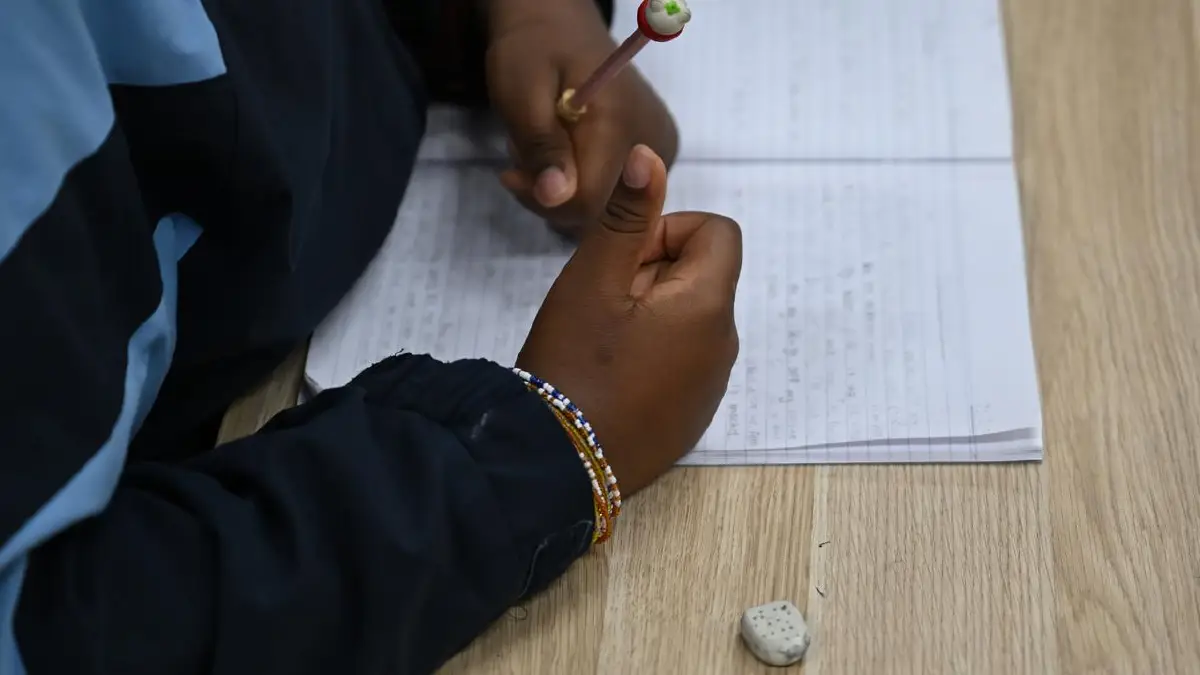
Victoria was among the first states to move towards tighter restrictions. In June, it announced a two-hour daily screen-time limit for students and directed teachers to schedule regular device-free learning periods, with the measures due to begin in 2027. The curriculum reforms will also strengthen civic education, with civics becoming compulsory for Years 9 and 10.
The move follows ACARA testing that found students' understanding of democracy had fallen to its lowest level since 2004. The emerging policy direction signals a wider rethink of technology in Australian education, with experts arguing that digital innovation must not come at the expense of children's ability to think independently, concentrate and learn through human interaction.

Delhi: 9-year-old girl dies after collapsing in Lovely Heritage School classroom; family questions medical response

Karnataka CM urges private schools to partner with 1,000 government schools in rural areas

Why will students lose Google Search access if schools reject Google's AI tools? Company announces new rules

Australian experts back school digital detox as concerns grow over AI and screen use
HABIT Foundation Hosts INNOVATE 2026 in Mumbai to Showcase Student Innovations and Prototypes
Why will students lose Google Search access if schools reject Google's AI tools? Company announces new rules
Australian experts back school digital detox as concerns grow over AI and screen use

Want to prepare for married life? Goa college introduces a certificate course on relationships

NCTE forms panel to include ITEP graduates in CTET, STET eligibility criteria

Australia to introduce Holocaust and Jewish history lessons in 2027 curriculum overhaul

Delhi: 9-year-old girl dies after collapsing in Lovely Heritage School classroom; family questions medical response
Karnataka CM urges private schools to partner with 1,000 government schools in rural areas
Why will students lose Google Search access if schools reject Google's AI tools? Company announces new rules
Australian experts back school digital detox as concerns grow over AI and screen use
HABIT Foundation Hosts INNOVATE 2026 in Mumbai to Showcase Student Innovations and Prototypes
Why will students lose Google Search access if schools reject Google's AI tools? Company announces new rules
Australian experts back school digital detox as concerns grow over AI and screen use
Want to prepare for married life? Goa college introduces a certificate course on relationships
NCTE forms panel to include ITEP graduates in CTET, STET eligibility criteria
Australia to introduce Holocaust and Jewish history lessons in 2027 curriculum overhaul
Copyright© educationpost.in 2026 All Rights Reserved.