


In a major step towards mother-tongue-based education, Bihar will introduce six regional languages in government primary schools. SCERT is preparing textbooks, while the state plans to extend the initiative to Classes 3 to 5 in a later phase.
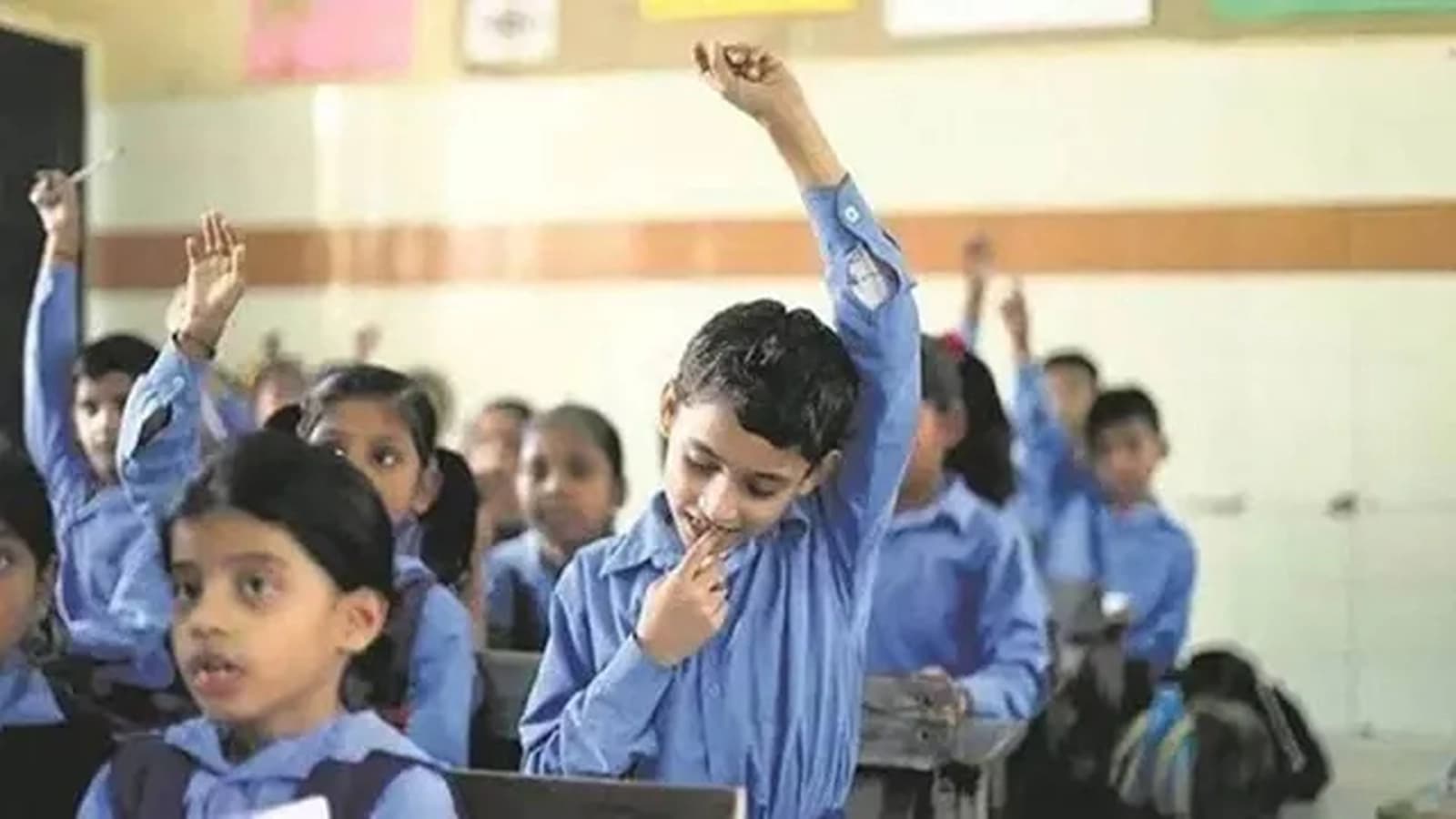
Bihar Schools to Introduce 6 Regional Languages in Classes 1 and 2 From 2026-27
Children in Bihar’s government schools may soon find it easier to connect their classroom lessons with the language they speak at home. The state government has announced plans to introduce six regional languages for students of Classes 1 and 2 from the 2026-27 academic session. The initiative will cover six languages — Bhojpuri, Maithili, Magahi, Angika, Bajjika and Surjapuri. The move aims to make early education more accessible to children by giving regional languages a place in the formal school curriculum.
Bihar Education Minister Mithlesh Tiwary said the decision has been taken in line with the National Education Policy (NEP) 2020, which encourages mother-tongue-based learning during the foundational years of education. The initiative will initially cover government-run schools across the state. The State Council of Educational Research and Training (SCERT) has been assigned the responsibility of developing textbooks in all six languages.

Which Six Regional Languages Will Be Introduced in Bihar Schools?
Under the proposed initiative, students will have the opportunity to learn one regional language from the six selected options.
The languages include:
The selection reflects Bihar’s linguistic diversity, where language and dialect can vary considerably from one region to another. Rather than expecting every child to adjust immediately to an unfamiliar classroom language, the initiative seeks to make the early learning experience more familiar and inclusive.
Why Is Bihar Bringing Regional Languages Into Primary Education?
For many children, entering school also means adjusting to a new language. While they may communicate comfortably in Bhojpuri, Magahi or Maithili at home, classroom learning often takes place in a different language. This difference can sometimes make it difficult for young learners to understand instructions, express themselves or follow basic concepts.
The Bihar government’s initiative aims to reduce this gap by bringing familiar regional languages into early education. When children encounter familiar words and expressions in their learning material, they may feel more confident participating in classroom activities. The move is also significant from a cultural perspective. Regional languages carry local traditions, folk stories, festivals and community histories. Introducing them into formal education could help younger generations remain connected to their linguistic heritage.
The initiative will also give children opportunities to connect classroom learning with their local culture, occupations, agriculture and everyday surroundings. SCERT Begins Preparing Textbooks in Six Languages The State Council of Educational Research and Training (SCERT) has been entrusted with developing textbooks for Classes 1 and 2 in all six regional languages.
SCERT Director Yatendra Kumar Pal confirmed that the textbooks are being prepared in consultation with teachers and experts familiar with these languages. The council has already organised a workshop to discuss and finalise the learning material. Two additional workshops are planned as part of the preparation process.
The objective is to ensure that textbooks are appropriate for young students and reflect the linguistic and cultural backgrounds of the communities they belong to. However, textbook preparation is only one part of the implementation process. Teacher preparedness, classroom resources and the availability of suitable learning materials will also be important for the programme’s success.
What Does This Mean for Bihar’s Students?
The initiative could make a meaningful difference for children entering primary school, particularly those from communities where regional languages are widely spoken. It may help students communicate more comfortably, develop confidence and build a stronger connection between their home environment and school education.
At the same time, the programme’s effectiveness will depend on how well it is implemented. Schools will need teachers who can work with regional-language learning materials, appropriate textbooks and a clear approach to gradually developing proficiency in other languages. Bihar’s decision is therefore more than a curriculum change. It represents an effort to recognise the role of local languages in children’s early learning while protecting the state’s linguistic diversity. The initiative delivers its intended results will depend on its implementation in classrooms from the 2026-27 academic session.

Google invests over US$6 million in AI research and education initiatives in Singapore
Bihar Schools to Introduce Maithili, Bhojpuri, Magahi and Four Other Regional Languages from 2027
Bihar Schools to Introduce Six Regional Languages in Classes 1 and 2 From 2026-27: Bhojpuri, Maithili, Magahi Among Them
Delhi High Court Seeks CBSE, NCERT Response on Calculator Use in Class 12 Board Exams
Manipur Board Practical Exam 2027: Class 11, 12 Schedule Released; Exams to Begin in January
Google invests over US$6 million in AI research and education initiatives in Singapore

Cabinet Approves ₹4,371 Crore VISTAR Scheme to Modernize India's Statistical System
AI tutor outperforms classroom learning in US university trial, OECD report finds

Why will students lose Google Search access if schools reject Google's AI tools? Company announces new rules

Australian experts back school digital detox as concerns grow over AI and screen use

Google invests over US$6 million in AI research and education initiatives in Singapore
Bihar Schools to Introduce Maithili, Bhojpuri, Magahi and Four Other Regional Languages from 2027
Bihar Schools to Introduce Six Regional Languages in Classes 1 and 2 From 2026-27: Bhojpuri, Maithili, Magahi Among Them
Delhi High Court Seeks CBSE, NCERT Response on Calculator Use in Class 12 Board Exams
Manipur Board Practical Exam 2027: Class 11, 12 Schedule Released; Exams to Begin in January
Google invests over US$6 million in AI research and education initiatives in Singapore
Cabinet Approves ₹4,371 Crore VISTAR Scheme to Modernize India's Statistical System
AI tutor outperforms classroom learning in US university trial, OECD report finds
Why will students lose Google Search access if schools reject Google's AI tools? Company announces new rules
Australian experts back school digital detox as concerns grow over AI and screen use
Copyright© educationpost.in 2026 All Rights Reserved.